FREE WORLDWIDE TRACKED SHIPPING
Choosing the Right Color Temperature for a Dining Room
 By Alex Carter
Learn how dining room color temperature shapes mood, food and comfort, and why warm 2700K to 3000K lighting is usually the most inviting choice
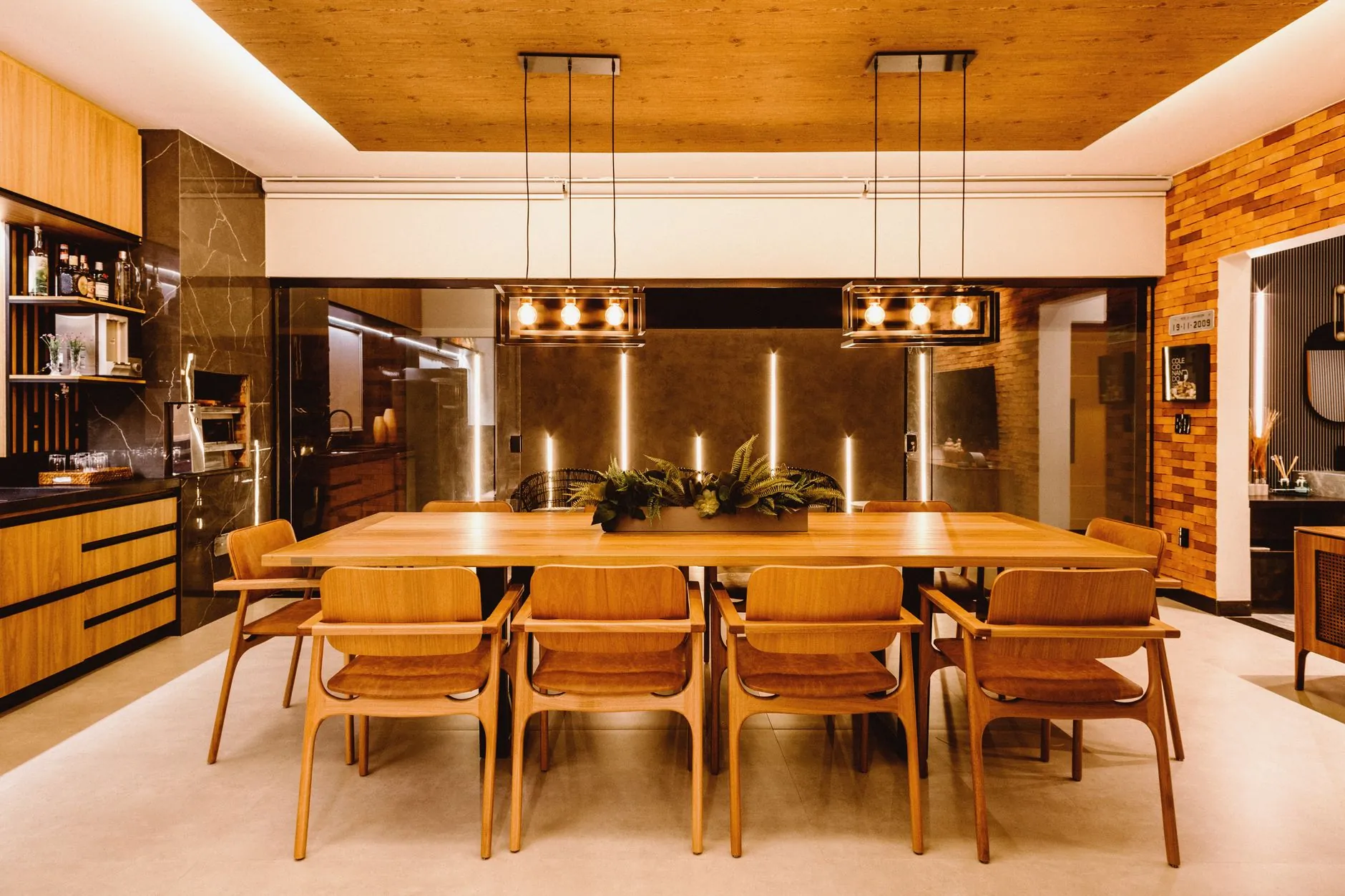
Photo by Jonathan Borba on Pexels.
When people plan dining room lighting, they tend to focus on the fixture itself — its size, its style, how it looks hanging over the table. Far fewer think about the color of the light it produces, yet that single factor does more to shape how the room feels than almost anything else. The same fixture, fitted with a warm bulb or a cool one, can make a dining room feel either inviting and intimate or stark and clinical. Understanding color temperature is the difference between a room that merely lights up and one that feels right.
What Color Temperature Actually Means
Color temperature describes the warmth or coolness of light, measured on the Kelvin scale. Lower numbers produce warmer, more yellow-toned light, while higher numbers produce cooler, bluer light. It runs counter to intuition — we tend to associate high numbers with heat — but on the Kelvin scale, lower means warmer.
For reference, a traditional incandescent bulb sits around 2700K, giving the soft, golden glow many people associate with cozy interiors. Move up to 3500K and the light becomes a neutral white. By 4000K and above, the light turns crisp and cool, the kind of bright white found in offices and hospitals. Daylight itself measures around 5000K to 6500K, which is why cool bulbs are sometimes labeled "daylight."
Why Warm Light Suits Dining Rooms
The dining room is fundamentally a social and sensory space. It's where people gather to eat, talk, and relax, and warm light supports every part of that. There are a few concrete reasons warm tones work so well here.
First, warm light flatters both food and people. It brings out the appetizing golden and red tones in a meal, making dishes look richer and more inviting. Cool light, by contrast, can make food appear washed out or unappetizing, draining the warmth from a beautifully prepared plate. It flatters skin tones in the same way, casting a soft, healthy glow rather than the harsh cast of cooler light.
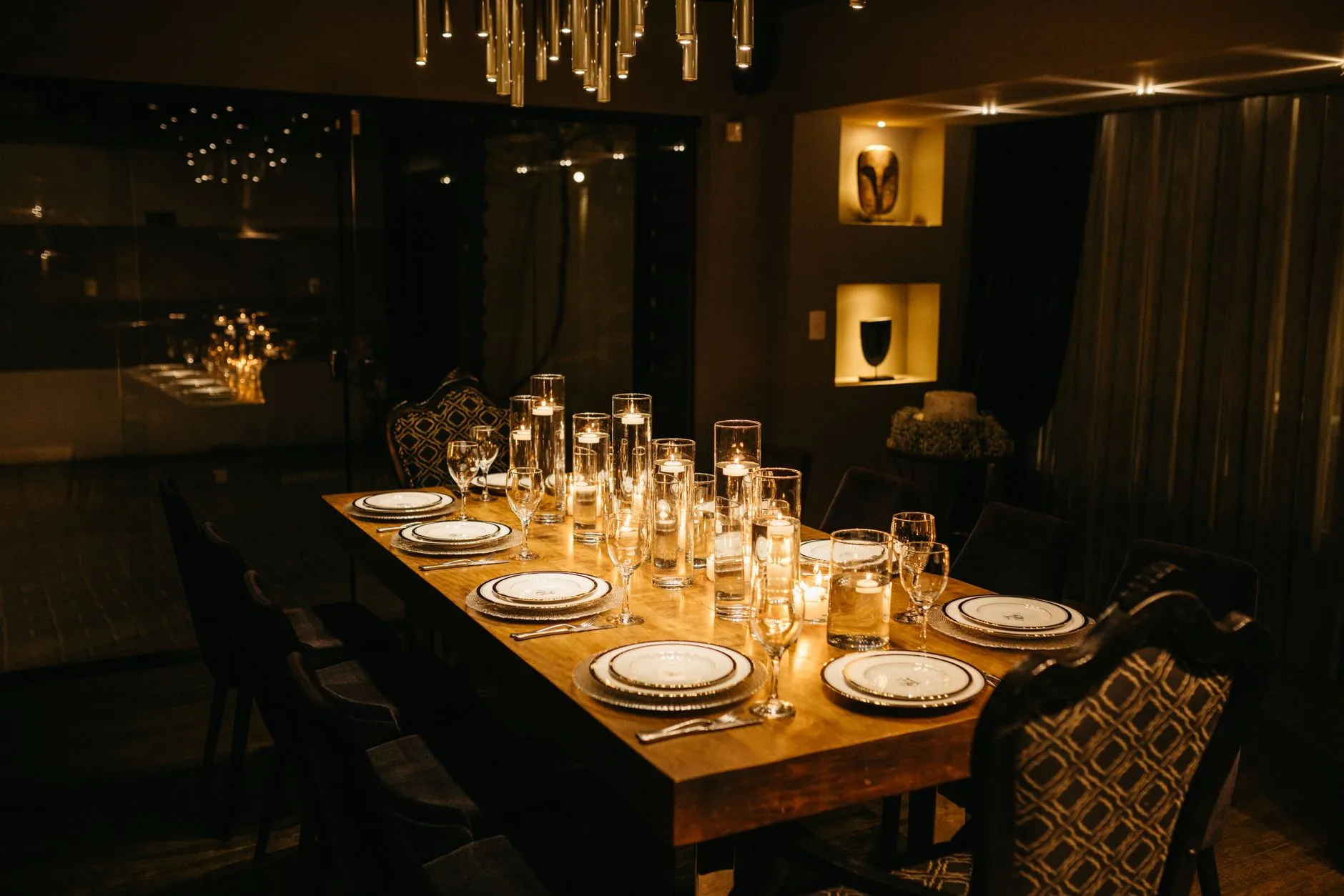
Second, warm light signals relaxation. Our bodies associate warm, low light with evening and winding down, while cool, bright light signals daytime and alertness. Since dining rooms are used most in the evening, warm light aligns naturally with the mood you want — calm, unhurried, sociable. Cool light in a dining room can feel subtly wrong precisely because it sends the opposite signal.
Third, warm light creates intimacy. It draws a room inward, making a large space feel more enclosed and a gathering feel more connected. This is exactly the effect you want around a dining table, where the goal is to bring people together rather than scatter their attention across a brightly lit room.
The Sweet Spot for Dining Spaces
For most dining rooms, the ideal color temperature falls between 2700K and 3000K. At 2700K, the light is at its warmest and most golden, perfect for creating a cozy, candlelit atmosphere. At 3000K, it's slightly crisper and brighter while still reading as warm, which some people prefer for a room that also serves daytime functions.
Choosing between the two comes down to how you use the space and your personal taste. A formal dining room used mainly for evening meals leans toward 2700K for maximum warmth. A dining room that doubles as a workspace or family hub might prefer 3000K for a touch more brightness without losing the welcoming feel. What you generally want to avoid is anything at 3500K or above, which starts to feel businesslike and drains the room of atmosphere.
The Role of Dimming
Color temperature and dimming work hand in hand. Traditional incandescent and halogen bulbs shift warmer as they dim, mimicking the flattering glow of candlelight. Many people have come to associate that warm-as-you-dim behavior with a comfortable dining atmosphere.
Standard LED bulbs don't do this automatically — a basic LED stays the same color temperature no matter how far you dim it. If you love that candlelit warmth, look for LEDs labeled "warm dim" or "dim to warm," which are engineered to shift toward 2200K or so as they dim, recreating the incandescent effect. Paired with a good dimmer, these give you both the energy savings of LED and the cozy glow of traditional bulbs.
Consistency Across the Room
One of the most common lighting mistakes is mixing color temperatures within a single space. A warm chandelier over the table combined with cool recessed lights around the ceiling creates a visual discord that's hard to pin down but easy to feel — the room looks slightly off, with pools of warm and cool light competing.
The fix is simple: choose one color temperature and use it consistently across every fixture in the dining room, and ideally into adjoining spaces that are visible from it. If your dining room opens onto a kitchen or living area, keeping the color temperature consistent across all three prevents that jarring transition from one room to the next.
Matching the Fixture to the Light
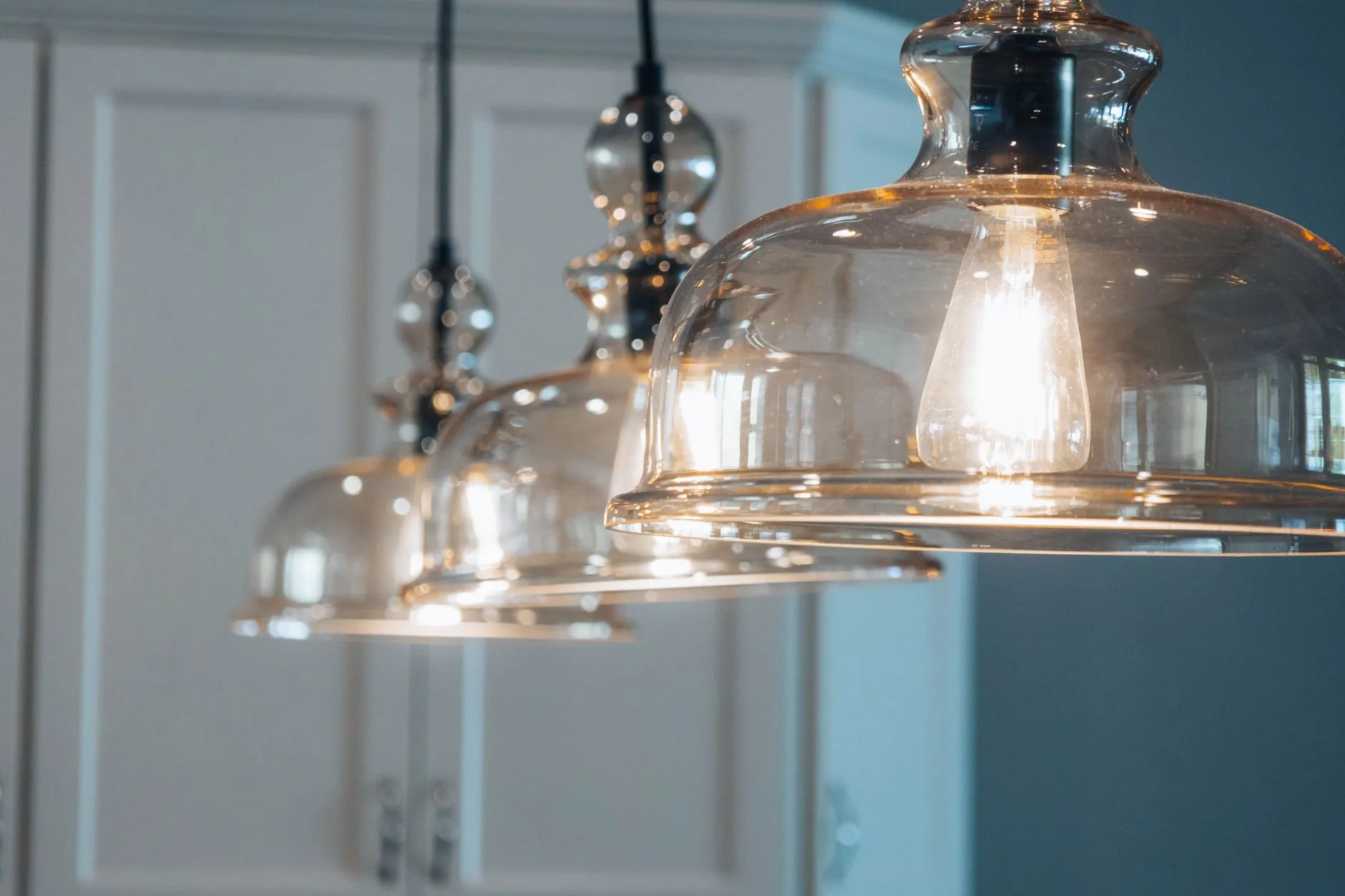
Color temperature doesn't exist in isolation from the fixture. A fixture with clear glass or exposed bulbs shows the bulb's color directly, so the Kelvin choice matters a great deal. A fixture with frosted shades or diffusers softens and slightly warms the light, giving a little more forgiveness. Crystal and reflective fixtures interact with warm light beautifully, scattering that golden tone into sparkle.
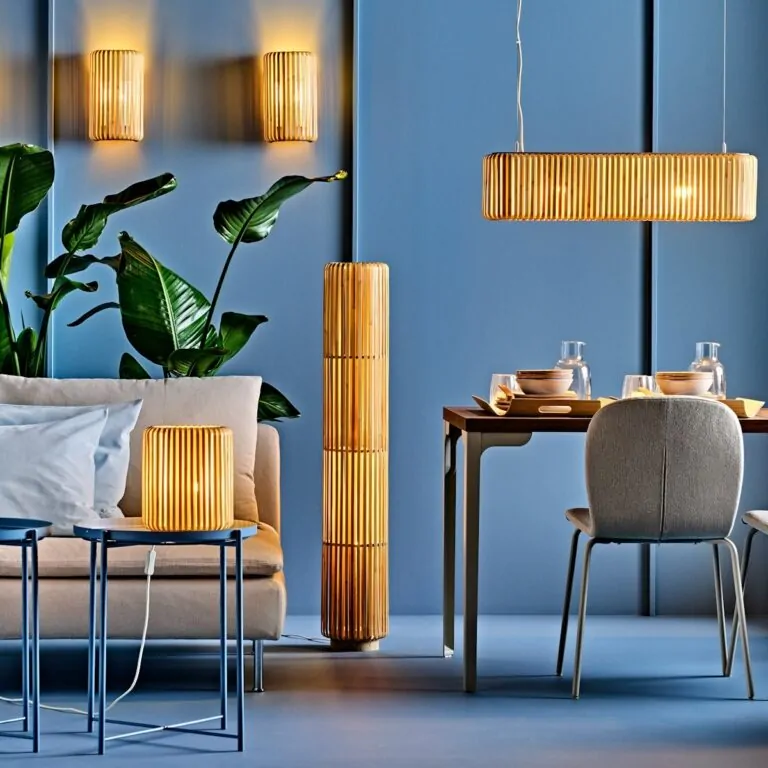
That same idea—using light as an active design material—also runs through the five interior directions we selected from Maison&Objet’s “Pulse in Motion”.
When selecting the room's main fixture, it helps to think about the bulb and the fixture together as a system. Choosing the right fixture for your dining area and then pairing it with warm, dimmable bulbs gives you full command over the room's atmosphere. The fixture provides the style and the structure; the color temperature provides the mood.
Bringing It Together
Color temperature is the quiet element of dining room lighting — rarely discussed, but decisive in how the space feels. Choose warm white in the 2700K to 3000K range, keep it consistent across every fixture, and pair it with dimming for flexibility, and you give your dining room the welcoming, flattering atmosphere that makes people want to linger at the table. It's a small, inexpensive detail with an outsized effect on how the room lives.











 Blankets and Throws
 Home Accessories
 Furniture
 Rugs
Rugs Cushions
 Kitchen
 Cutlery and Dinnerware
 Drinkware
 Table Mats and Coasters
 Dining Accessories
 Tablecloths and Napkins
 Decorative Items
 Vases and Planters
 Wall Decor
 Bathroom Accessories
 Bathroom Storage
 Bath and Shower Mats
 Towels