FREE WORLDWIDE TRACKED SHIPPING
Maison&Objet’s “Pulse in Motion” Has 5 Ideas Worth Bringing Home
 By Laura Jones
Maison&Objet’s September 2026 theme turns movement into a design method. We translate its strongest ideas into practical choices for real rooms.
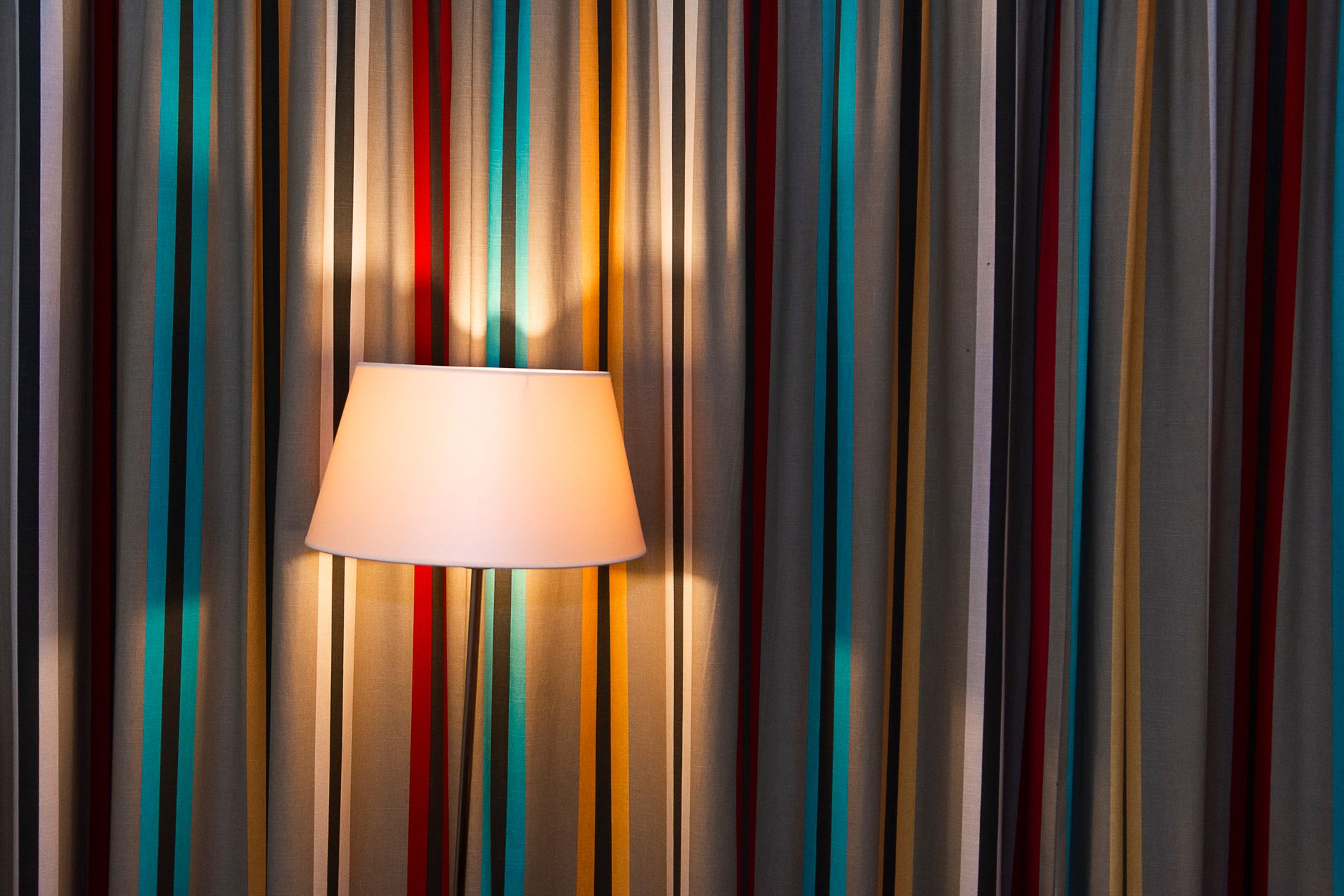
Illustrative image, not Maison&Objet event photography. Photo by Jan van der Wolf via Pexels.
A room can feel different before a single piece of furniture moves. Morning light makes a colored curtain almost transparent. Evening turns the same fabric dense. A polished surface catches one viewpoint and disappears from another.
That is the most useful way to read Maison&Objet September 2026. The Paris fair runs from 10 to 14 September at Paris Nord Villepinte under the theme “Pulse in Motion.” The phrase sounds broad enough to mean anything. The current programme makes it more specific: movement arrives through light, material, viewpoint, touch, and objects that can change state.
I reviewed the official programme and pre-show material; I have not attended this edition. What follows is an interpretation of the ideas announced before opening day, not a report from the fair.
Featured image: illustrative stock photography, not Maison&Objet event photography. Photo by Jan van der Wolf via Pexels.
What “Pulse in Motion” actually means
Maison&Objet developed the theme with the trend-forecasting agency NellyRodi. Their framework divides it into four directions: Union, Leadership, Elevation, and Intensity. That language can sound more like a manifesto than a room, but the official programme gives it physical form across seven immersive sectors.
Spanish design studio Masquespacio is shaping two installations and the fair’s visual identity. “Feel the Shift” combines color, material, light, and furniture. Elsewhere, emerging studios are working with wax that can be remelted, paper lamps that respond to light, and LED structures that define space without building a wall.
The common idea is not kinetic furniture or rooms full of visual noise. It is an interior that changes with time, use, and attention. That is a stronger proposition than a seasonal color forecast because it asks what a room does, not only how it photographs.
Five fair signals and their useful home versions
| Fair signal | Useful home version | What to avoid |
|---|---|---|
| Light that defines space | Use shadow, lamp height, and filtered daylight to create zones | Adding decorative lamps without changing how the room feels |
| Materials that show transformation | Choose surfaces that age, reflect, soften, or reveal texture | A full palette of “natural” finishes with no contrast |
| Objects that change with viewpoint | Give one reflective, translucent, or sculptural piece room to work | Repeating the effect until it becomes visual clutter |
| Adaptable structures | Let one room shift between two clear states | Buying multipurpose furniture without planning the transition |
| Intensity | Concentrate color or pattern in one deliberate zone | Treating the theme as a shopping list |
1. Let light redraw the room
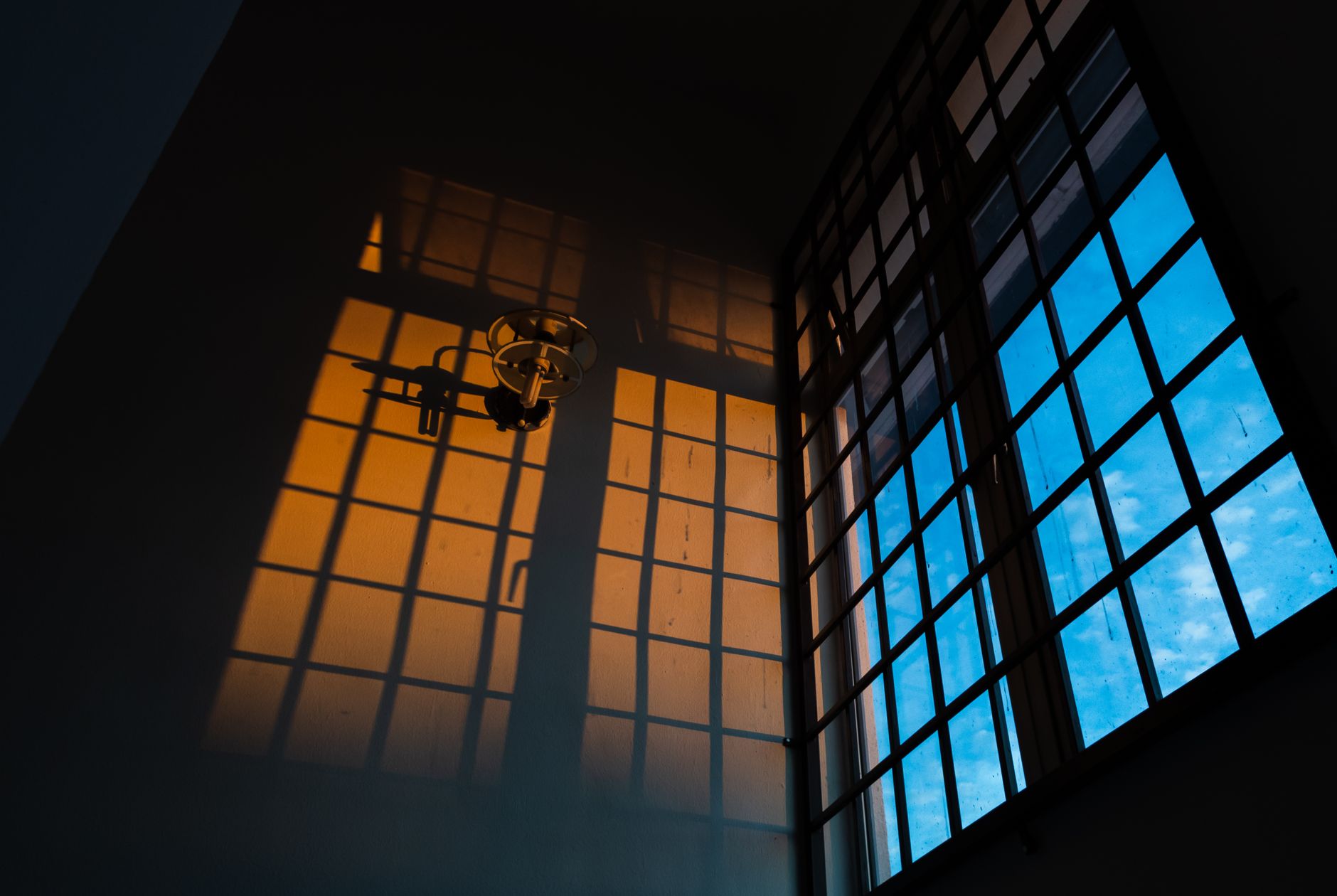
The clearest examples come from the fair’s Future On Stage winners. LightMass makes lightweight structures from LED beams, using light as a line that can define or transform space. Risette’s paper and cardboard lamps change as illumination passes through color and mirrored corners.
At home, the lesson is not to install an illuminated sculpture in the living room. It is to notice that light can make a zone before furniture does. A low pendant can pull a dining table together. A wall lamp can turn an unused corner into a reading place. A sheer curtain can make the same room calmer in daylight and more private at night.
Start with one view you already use: the sofa looking toward the window, the table after sunset, or the hallway seen from the entrance. Change the light there and check the room at three times of day. Our guide to dining-room color temperature explains why bulb color is only part of the decision. Placement, contrast, and the surfaces receiving the light matter just as much.
2. Choose materials that reveal change
Baguette Studio, another Future On Stage winner, makes vegetable-wax and beeswax lamps that can be remelted. The object is not fixed forever; its material history is part of the design. Elizabeth Leriche’s In Materia presentation takes a wider view, bringing together hammered metal, veined wood, crackled ceramics, and other surfaces that make transformation visible.
This is a useful correction to the way “timeless” is often sold. A home does not stay timeless by looking untouched. It becomes convincing when materials can survive being touched, cleaned, moved, and seen in different light.
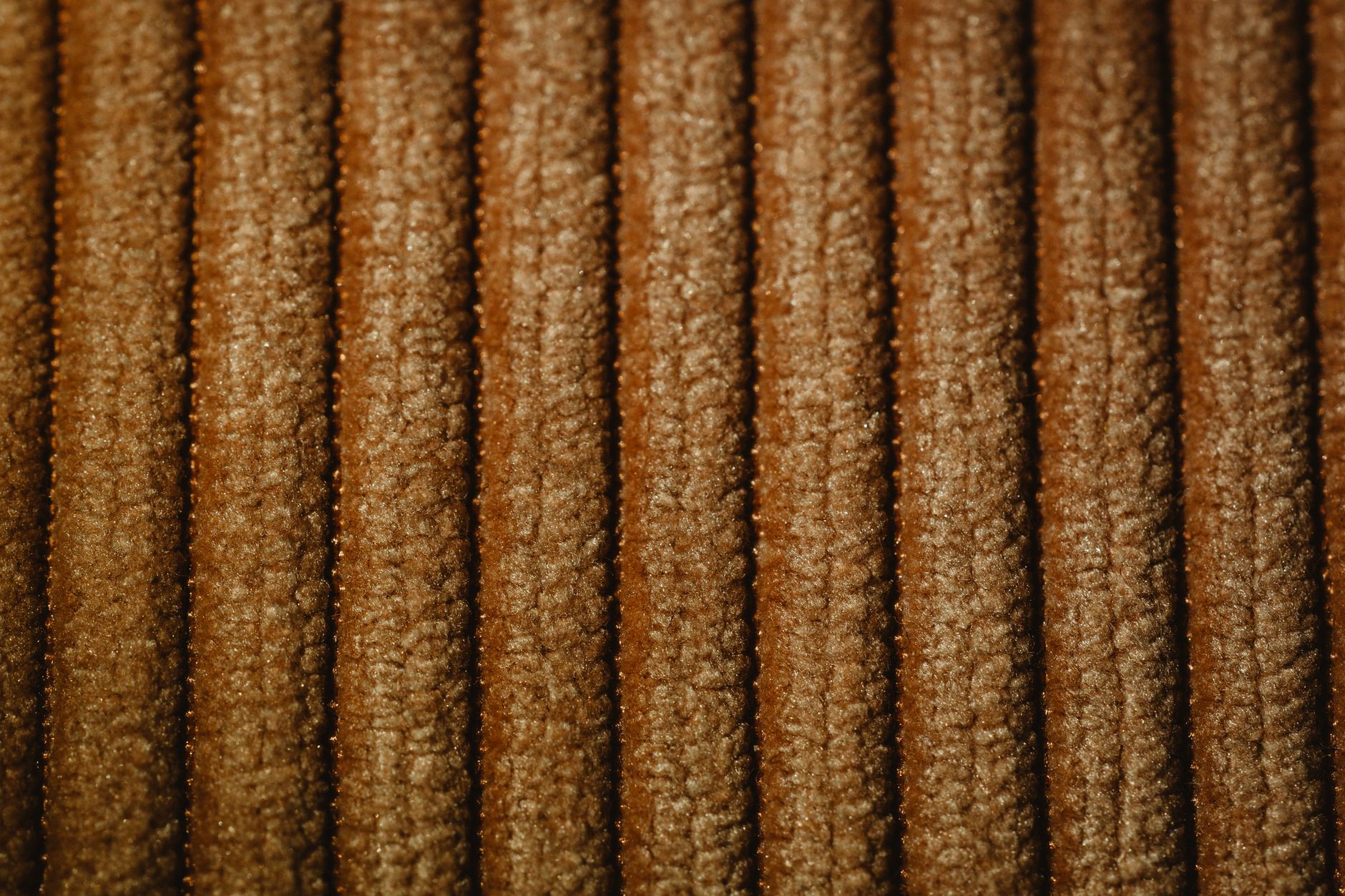
You do not need a room made entirely from expressive surfaces. Choose one material whose change you are willing to notice: linen that softens, wood that darkens, uncoated metal that develops marks, or textured glass that bends the view. Our ripple glass guide makes the same distinction at a smaller scale. Texture is useful when it changes light or grip, not when it is merely another pattern.
3. Give one object more than one reading
Risette’s work uses paper, cardboard, color, light, and corner mirrors to change perception as the viewer moves. The object is not performing a trick on its own. The room and the person moving through it complete the effect.
That idea translates well to ordinary interiors because every home already has viewpoints: the first look through a doorway, the reflection from a seat, the angle from which a shelf disappears behind a wall. One carefully placed mirror, translucent shade, mobile, or sculptural chair can give those views a different rhythm.
The limit is repetition. If the lamp, table, mirror, curtain, and artwork all ask to be discovered, the room stops offering discovery and starts issuing instructions. Our review of the IKEA KONSTRUNDA collection reached a similar conclusion: choose one voice, then leave enough space for it to be heard.
4. Design a room that can change state
Movement can also be practical. A room that shifts from work to dinner or from guest space to everyday use has a pulse because its arrangement is not permanent. The important part is not owning flexible furniture. It is making the change simple enough to happen.
Define two states, not six. In one state, the table is clear and the task light is on. In the other, work equipment has one closed storage place and the warmer light takes over. A lightweight chair can move, a curtain can divide, or a trolley can carry the objects that otherwise have to be relocated one by one. The best small-home interior changes work for the same reason: they remove friction instead of adding mechanisms.
We tested the bigger version of this idea by swapping living-room and bedroom functions. Most homes need a smaller move. The principle is the same: circulation and sequence decide whether an adaptable layout works. If changing state takes ten minutes and creates a temporary pile somewhere else, the room is not flexible. It is unfinished.
5. Treat intensity as an edit
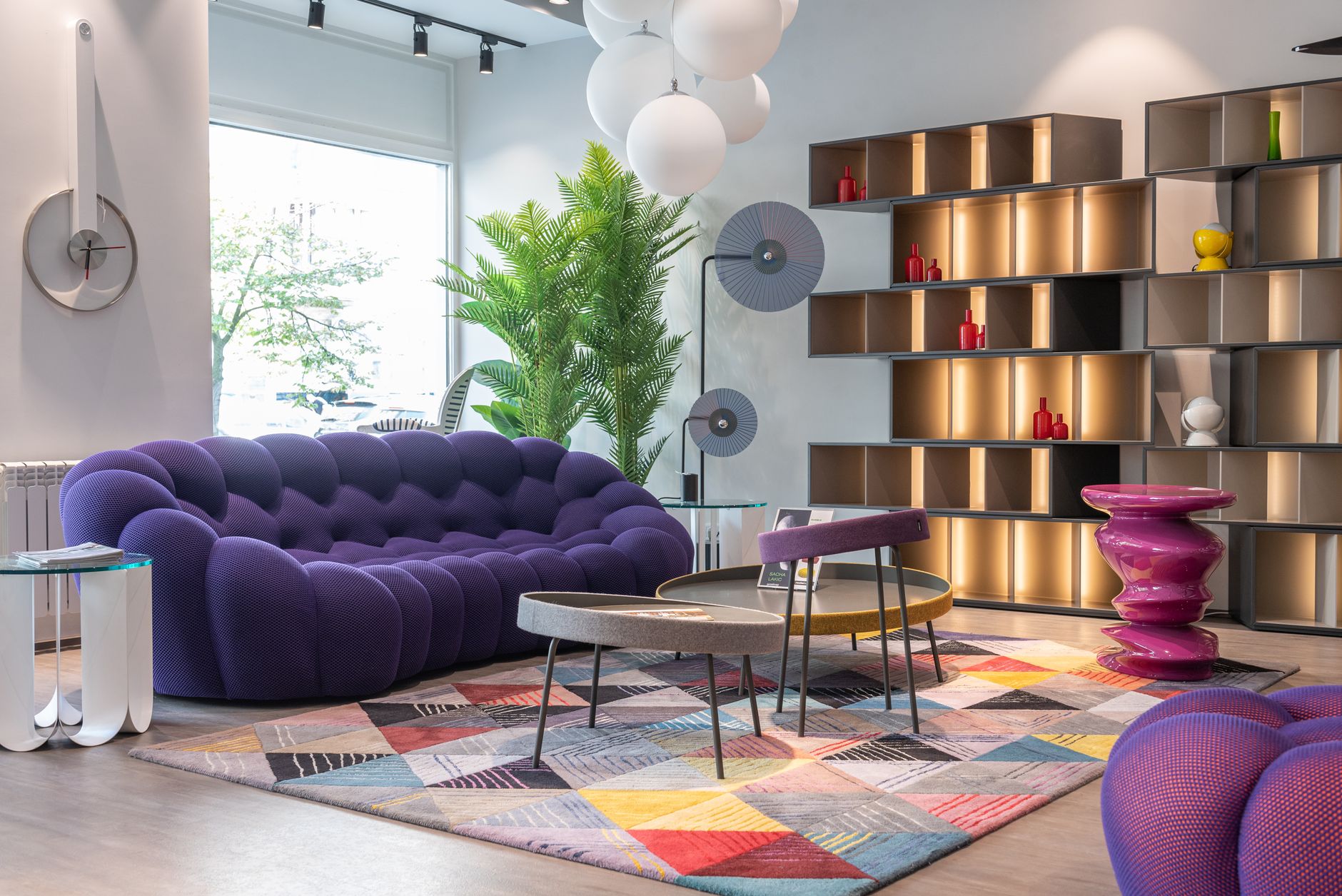
Intensity is the part of “Pulse in Motion” most likely to be flattened into trend imagery: saturated color, bold combinations, sculptural objects, and high contrast. Masquespacio is well suited to that territory because the studio treats color as spatial structure, not a layer added at the end.
A real room can borrow the method without copying the volume. Put the strongest color where it clarifies a boundary: around a window, behind the table, inside a shelf, or on the chair that anchors an otherwise quiet corner. Then repeat it once at a smaller scale.
Strong color fails when every item is trying to prove that the owner is brave. It works when the rest of the room gives it a job. The room above is useful because the purple sofa and color-block rug define the social zone while the illuminated shelving keeps the palette structured. The same colors scattered through cushions, vases, small art, and accessories would feel busier and less certain.
What I would bring home from the fair
The programme’s best idea is not a look. It is a test: does the room change in a way that improves how it is used or perceived?
I would bring home a better lighting sequence, one material that can age honestly, and one object that changes with viewpoint. I would also plan a clear second state for any room doing more than one job. Those moves can make an existing interior feel newly awake without replacing its contents.
I would leave the full immersive palette at the fair. Exhibitions need to make an argument in seconds. Homes have to carry breakfast, work, laundry, quiet, and bad weather. Intensity belongs there too, but it needs an edit.
If “Pulse in Motion” proves useful after Maison&Objet opens, it will be because designers show movement as a quality of living rather than another category of product. The first move at home is simple: change the room’s behavior before adding more objects.
Sources: Maison&Objet September 2026 programme, official “Pulse in Motion” theme interview, and the Rising Talent Awards South Africa announcement.










 Blankets and Throws
 Home Accessories
 Furniture
 Rugs
Rugs Cushions
 Kitchen
 Cutlery and Dinnerware
 Drinkware
 Table Mats and Coasters
 Dining Accessories
 Tablecloths and Napkins
 Decorative Items
 Vases and Planters
 Wall Decor
 Bathroom Accessories
 Bathroom Storage
 Bath and Shower Mats
 Towels