FREE WORLDWIDE TRACKED SHIPPING

How to Dry Hair Without Unnecessary Damage
 By Laura Jones
Wet hair is fragile. A practical routine for drying it with less heat, friction and pulling, adjusted for different hair types.
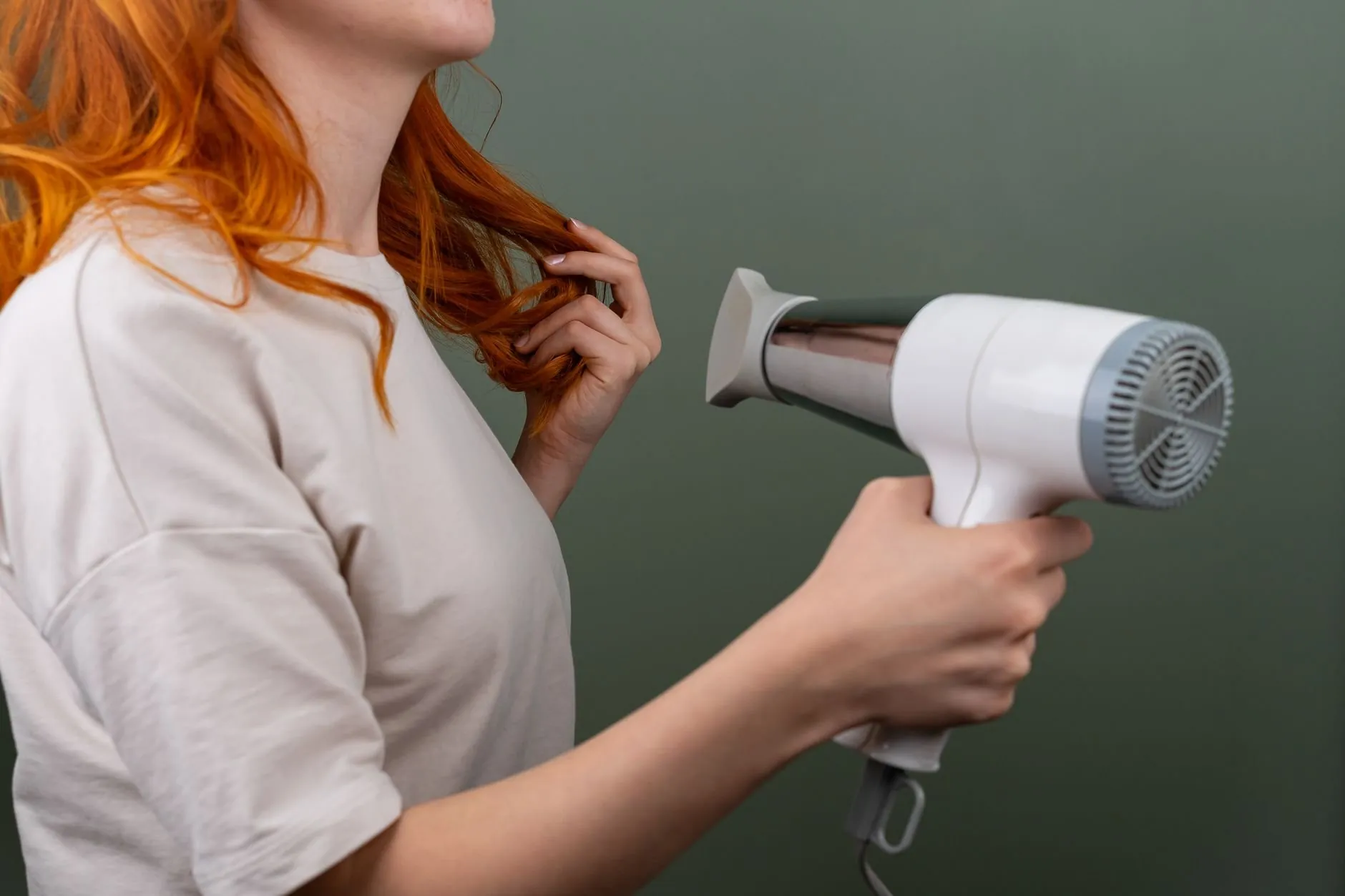
Photo: Beyzanur K. / Pexels.
Wet hair is far more vulnerable than dry hair. Once saturated with water, the strands swell, lose some of their elasticity, and become much easier to stretch, snap, or abrade. That’s part of why how you dry your hair can matter just as much as what you put in it. Neither air-drying nor blow-drying is automatically the "safe" choice for everyone—the real variable is technique. Someone who uses a hair dryer thoughtfully, adjusting heat, airflow, distance, and total drying time, can often minimize stress on their hair just as well as someone who skips heat altogether. This article focuses on the habits and decisions behind good drying, rather than pushing one universal method.
What Happens to Hair When It Gets Wet?
Each strand of hair has an outer layer called the cuticle, made up of overlapping cells that shield the inner cortex. The cortex is what gives hair most of its strength and stretch. When hair absorbs water, the cuticle lifts slightly and the cortex swells, which makes the strand more flexible but also more fragile. That’s why wet hair can stretch further before snapping, yet still breaks more easily under friction or tension than dry hair does.
Rough towel-drying, aggressive brushing, or tight styling while hair is still wet can speed up hair-shaft damage, which tends to show up as roughness, split ends, or breakage. That’s a different issue from scalp or follicle concerns—things like unusual shedding or irritation—which are better addressed through professional evaluation than a change in drying habits.
Air-Drying Versus Blow-Drying
Air-drying skips direct heat exposure, but it leaves hair wet for longer, which widens the window for friction, tangling, and strand-on-strand abrasion—especially if hair is left loose or rubs against pillows and clothing. Blow-drying speeds things up and usually makes hair easier to manage, but too much heat, too long an exposure, or holding the dryer too close can leave hair drier and more prone to breaking.
Dermatology-focused sources, including guidance associated with the American Academy of Dermatology, generally note that heat styling on its own isn’t inherently harmful in moderation—problems tend to stem from frequency, temperature, and duration rather than the method itself. In other words, there’s no solid evidence that one approach is universally safer than the other. The real goal is controlled drying with minimal heat and friction, not eliminating one method entirely.
A Lower-Damage Hair-Drying Routine
Remove Excess Water Gently
Rather than rubbing hair with a towel, squeeze or blot it instead. A soft towel or a clean cotton T-shirt causes less friction than standard terry cloth. Hair should be damp, not dripping, before any heat comes into play.
Detangle Carefully
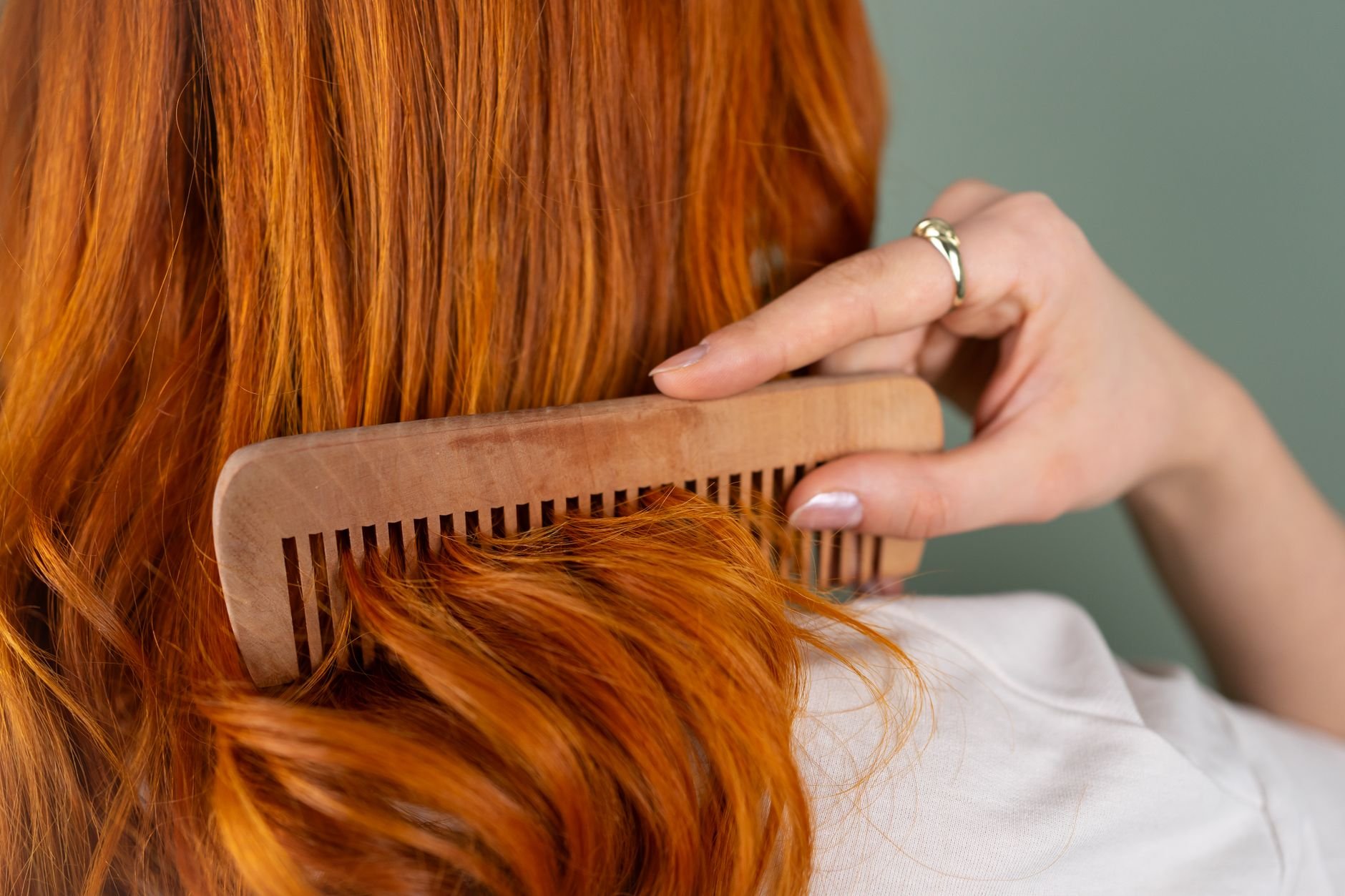
Work through tangles starting at the ends and moving upward, using a wide-tooth comb or a brush suited to your texture. Curly, coily, or heavily processed hair usually needs extra patience here, since wet strands in these textures are especially prone to snapping.
Use Heat Strategically
Start with the lowest effective heat and moderate airflow, keeping the dryer moving instead of hovering over one section. Keep a reasonable distance from the scalp and strands rather than pressing the nozzle in close. When time allows, let hair partially air-dry before switching to heat, then finish with cooler airflow for comfort and control. There’s no single "correct" distance or temperature that works for everyone—hair density, texture, and tool design all vary—but lower heat and shorter exposure are reasonable goals across the board.
Adjust the Routine for Hair Type and Condition
- Fine or fragile hair does better with lower heat and shorter drying times, and you should avoid going over the same strands repeatedly.
- Thick or dense hair can be divided into sections to cut down total heat exposure, with excess water removed first to shorten the overall drying time.
- Curly or coily hair often benefits from minimal brushing while dry, gentler airflow, or a diffuser attachment, with as little manipulation as possible while curls are still forming.
- Chemically treated or frequently heat-styled hair generally needs less frequent heat use, more conditioning care, and close attention to snapping or persistent roughness.
- Sensitive scalps should avoid sustained hot airflow on one spot and stop immediately if there’s any burning or discomfort.
Common Mistakes That Increase Damage
- Drying at the highest heat setting from start to finish
- Holding hot airflow in one place for too long
- Rough towel-drying or brushing saturated hair
- Using several heated tools in a single routine
- Re-drying already-dry hair just for minor touch-ups
- Pulling tightly with a brush while applying heat
- Assuming heat-protectant products allow unlimited heat exposure
- Sleeping on very wet hair when it leads to tangling or discomfort
How to Tell When Your Routine Needs Adjusting
Watch for an uptick in split ends, short broken hairs, persistent roughness, excessive tangling, or a loss of curl definition after repeated heat exposure. Products can smooth over or mask some of this temporarily, but they can’t undo structural damage—trimming and easing up on further stress are usually the more realistic fixes. It’s worth seeking professional advice if you notice sudden or significant shedding, visible thinning, scalp pain, scaling, sores, or breakage that continues even after you’ve switched to gentler handling, since these can point to issues beyond styling habits.
A Practical Decision Guide for Everyday Use
- Assess how wet, tangled, or fragile your hair currently is.
- Remove excess water without rubbing.
- Let hair partially air-dry when your schedule allows.
- Apply low or moderate heat only as needed.
- Keep the airflow moving and avoid repeated passes.
- Stop once hair is dry enough for your intended style.
Key takeaway: The safest routine is usually the one that minimizes total heat, friction, pulling, and drying time while still fitting your hair type and daily schedule.
A rushed morning routine—rough towel-drying followed by high heat held close to the scalp—adds far more cumulative stress than a slightly slower routine that blots water first and uses moderate heat with constant movement.
Building a Sustainable Drying Routine
Healthy hair-drying isn’t about landing on one universally correct method; it’s about reducing cumulative stress over time. Handle wet hair gently, remove excess water before styling, use the lowest effective heat, keep the airflow moving, and adjust frequency and intensity to match your hair’s texture and condition. Try changing one habit at a time and see how your hair responds, and check in with a dermatologist or other qualified professional if breakage, shedding, or scalp symptoms persist despite gentler care.




 Blankets and Throws
 Home Accessories
 Furniture
 Rugs
 Cushions

 Kitchen
 Cutlery and Dinnerware
 Drinkware
 Table Mats and Coasters
 Dining Accessories
 Tablecloths and Napkins

 Decorative Items
 Vases and Planters
 Wall Decor

 Bathroom Accessories
 Bathroom Storage
 Bath and Shower Mats
 Towels