FREE WORLDWIDE TRACKED SHIPPING

How to Set Up a Safe Home Care Space for a Family Member
 By Laura Jones
A practical setup for caring for a parent, partner or child at home: the right corner, safe storage, good lighting and simple protection for the caregiver
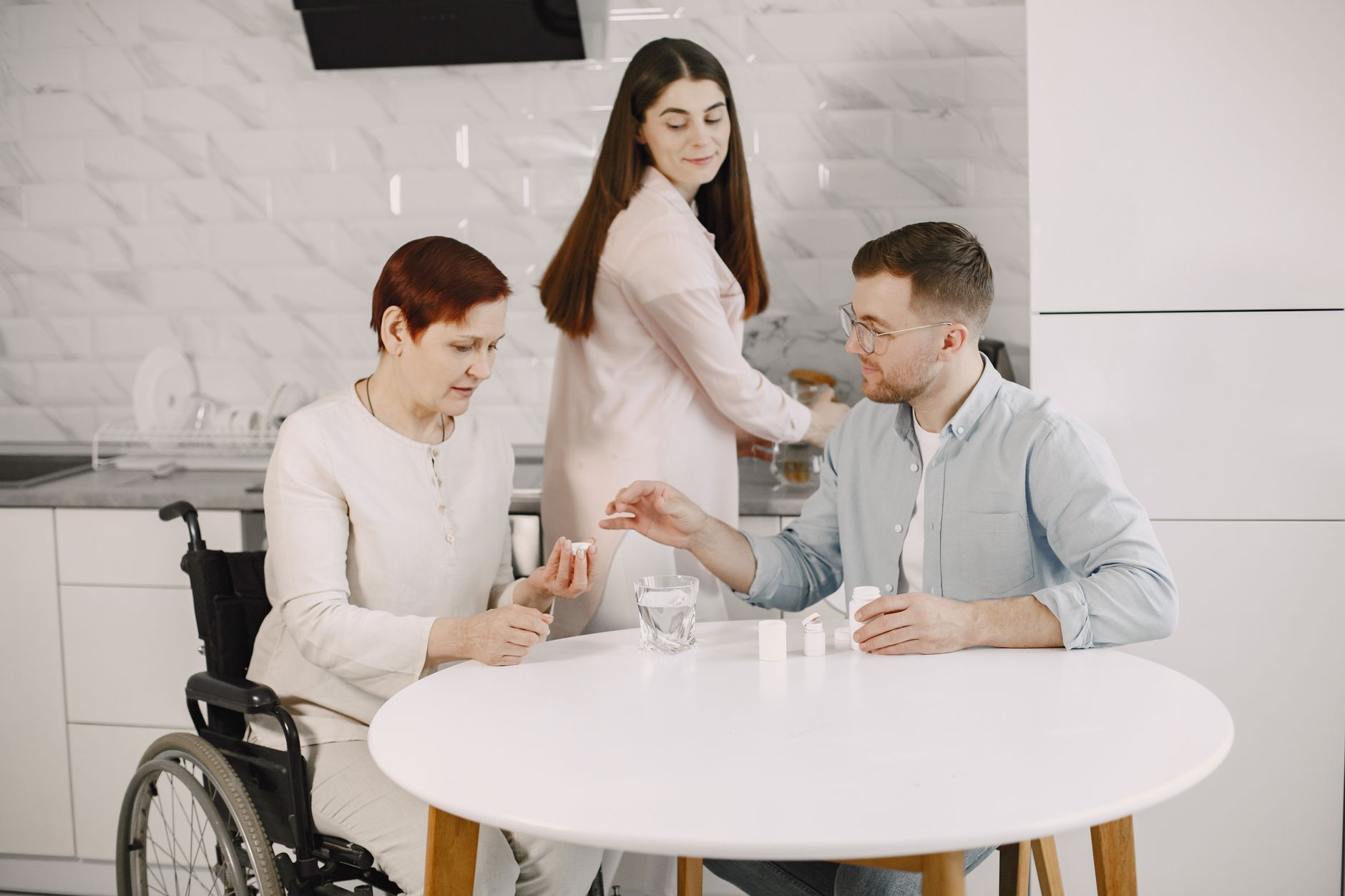
Photo: Gustavo Fring / Pexels.
Caring for a parent, partner, or child at home often means handling several tasks throughout the day. From preparing medication to helping with personal care, having everything in one place can save time and make your routine less stressful.
Setting up a safe home care space doesn’t have to be complicated. A clean area, easy-to-reach supplies, proper lighting, and a few safety adjustments can help you care for your loved one while keeping everyone comfortable.
Why Set Up a Dedicated Home Care Space?
Looking after a parent, partner, or child at home comes with many responsibilities. You may need to help with medication, personal hygiene, wound care, or everyday activities.
A dedicated care area gives you one place to keep essential supplies and prepare for daily routines. It also reduces clutter and helps prevent accidents. You don’t need an entire room for this. A spare bedroom, a quiet corner, or part of your living room can work.
Consider both the caregiver and the person receiving care. A suitable setup should support physical safety, privacy, comfort, and independence.
How to Set Up a Home Care Area
1. Choose the Right Room or Area
Start by considering your family member’s condition and daily routine. Someone who spends most of the day in bed may need more space than someone who only needs help with medication.
Consider these features:
- Easy access: Choose a location close to the bathroom and other frequently used areas.
- Good lighting: Use natural light during the day and bedside lamps at night. Inadequate lighting can reduce visibility or even increase the risk of falls.
- Clear walkways: Remove loose rugs, clutter, and electrical cords. Clear pathways help prevent trips and falls around the home.
- Enough space: Leave room for walkers, wheelchairs, and mobility equipment.
- Stable furniture: Choose sturdy tables and chairs that are easy to use.
If your family member has trouble walking, consider installing grab bars near toilets and showers. Non-slip bath mats can also help reduce the risk of falls.
2. Organise Medication and Care Supplies
A cluttered care area can make everyday tasks harder. You might misplace medication or struggle to find clean dressings when needed.
Use labelled containers, shelves, or storage boxes to organise supplies.
Keep these essentials nearby:
- Prescription medication and dosage instructions
- Bandages, gauze, and wound care supplies
- Disposable gloves and face masks
- Hand soap and sanitiser
- Personal hygiene products
- Approved medical equipment
- Cleaning products and disinfectants
Store medication safely. Keep medicines in their original containers and follow the storage instructions on the label. Some need refrigeration, while others must stay in a cool, dry place.
Keep medication away from children and pets. A lockable storage cabinet can help prevent accidental access or misuse.
3. Protect Yourself During Home Care Tasks
Caregiving can expose you to germs, bodily fluids, and cleaning chemicals. Protecting yourself is just as important as protecting your family member.
Follow these basic hygiene practices:
- Wash your hands before and after providing care.
- Wear gloves when handling bodily fluids or blood.
- Use a clean surface when preparing wound care supplies.
- Dispose of used dressings properly.
- Clean reusable equipment according to the manufacturer’s instructions.
- Never reuse disposable gloves.
Do not overlook eye protection. Cleaning contaminated surfaces, handling disinfectants, and assisting with certain wound care tasks can cause splashes of liquid toward your eyes.
When these tasks carry a splash risk, suitable protective eyewear can help reduce exposure. For example, nursing safety glasses can provide additional eye protection when the task requires them. Choose eyewear that fits properly and offers suitable coverage.
SafeStyle offers a healthcare eyewear collection for people who need protective glasses during healthcare tasks. Its range includes options designed for demanding work environments.
4. Keep the Space Clean and Comfortable
A home care area should be easy to clean, but it should not feel like a hospital room. Your family member still needs a comfortable place to spend time with loved ones.
Try these simple changes:
- Choose washable fabrics
- Clean high-touch surfaces
- Keep floors dry
- Add comfortable seating
- Keep personal items nearby
If your family member has dementia, maintaining a familiar and organised home environment can help reduce confusion and anxiety. Personal belongings, visual cues, and consistent daily schedules can provide a sense of security.
5. Use Technology to Improve Home Care Safety
Simple technology can make home care more manageable, particularly when family members cannot be present all the time.
Consider these options:
- Fall detection wearables: Some watches and wearable devices can detect falls and alert designated emergency contacts.
- Smart lighting: Motion-sensor lights can automatically illuminate hallways, bathrooms, and other dark areas.
- Voice assistants: Compatible devices can provide medication reminders, set daily alarms, and help users make emergency calls.
- Automatic medication dispensers: These devices can provide scheduled reminders and help organise medication doses.
Good lighting is particularly important at night. Night lights and motion-sensor lighting can improve visibility when someone needs to use the bathroom or move around the house after dark.
6. Know When to Get Professional Support
Some care needs require more than family assistance. If your family member needs regular medical attention, mobility support, or complex wound care, speak with a healthcare provider.
Healthcare professionals, including occupational therapists or nurses, can help identify safety risks and recommend appropriate changes.
A personalised support plan may include:
- Assistance with safe patient transfers.
- Guidance on following medication schedules.
- Instructions for approved wound care tasks.
- Recommendations for suitable mobility equipment.
- Infection prevention procedures.
- Advice on bathroom modifications and other safety measures.
If you are arranging ongoing care, ask about available tailored services, support workers, and ways to access support in your area.
FAQs
How do I make my home safer for a family member?
Remove tripping hazards, improve lighting, keep essential items nearby, and install suitable grab bars where needed. You can also arrange a home safety assessment to identify additional improvements.
What supplies should I keep in a home care area?
Keep gloves, hand sanitiser, clean dressings, personal hygiene products, medication records, and approved cleaning products nearby. Store medicines securely and keep emergency contacts accessible.
Do family caregivers need protective eyewear?
It depends on the task. Eye protection may be needed when there is a risk of splashes from bodily fluids or cleaning chemicals.
Final Thoughts
Setting up a safe home care space does not require major renovations or expensive equipment. Start with a clean, accessible area and organise the supplies you use most often. Regularly review your safety measures as your family member’s needs change.





 Blankets and Throws
 Home Accessories
 Furniture
 Rugs
 Cushions

 Kitchen
 Cutlery and Dinnerware
 Drinkware
 Table Mats and Coasters
 Dining Accessories
 Tablecloths and Napkins

 Decorative Items
 Vases and Planters
 Wall Decor

 Bathroom Accessories
 Bathroom Storage
 Bath and Shower Mats
 Towels