FREE WORLDWIDE TRACKED SHIPPING

How to Restyle Your Home for a Tropical Climate After a Major Move
 By Laura Jones
Explore breathable fabrics, natural materials and practical ways to improve airflow in a tropical home
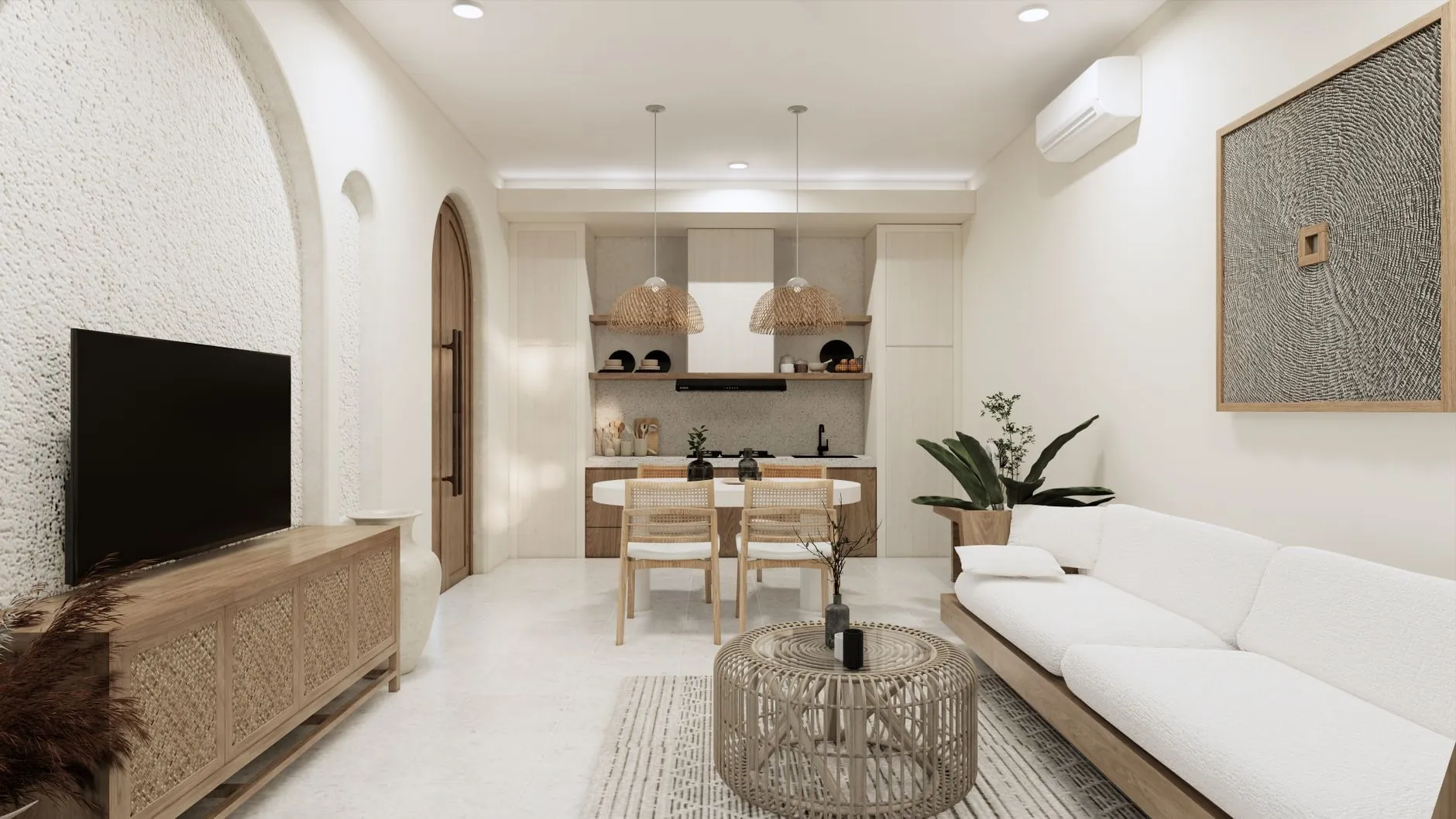
Photo by yose antonius on Pexels.
Relocating to a tropical environment requires more than just unpacking your belongings and settling in. The transition involves more than just unboxing; it is an opportunity to curate a living space that actively works with the environment rather than against it. Regions with intense tropical climates present unique physical and aesthetic challenges for your home decor. For instance, Darwin’s wet season from November to April brings high humidity and average maximum temperatures of around 32 to 33 degrees Celsius. The transitional period before the monsoon, known locally as the "build-up," can create particularly intense heat and humidity challenges. Managing this environmental shift begins with the relocation logistics. Engaging experienced Darwin movers is crucial for safely transporting heavy, temperature-sensitive items to the tropics before you begin the unpacking and restyling process.
Rethink Your Heavy Furniture and Materials
Tropical climates are notoriously unforgiving when it comes to traditional furnishings. Bringing large, heavy solid wood pieces into a humid environment can be a costly mistake because high humidity causes significant shrinking and swelling in wood furniture. Wood swells as it absorbs moisture in humid air and shrinks as it loses moisture in drier conditions; this movement can stress joints. Modern joinery techniques can only compensate for so much movement before visible damage occurs. According to a report by the Purdue University Extension, a moisture content change of just 6 percentage points in a common material like sugar maple can cause substantial dimensional changes, which can fracture joints, open miters, and warp solid panels if the furniture cannot accommodate the movement.
To avoid these structural failures, transitioning your decor is essential. Embracing a style focused on airy, natural materials like linen, rattan, and oak is a smart strategy often seen in organic modern interior design. Natural rattan and cane materials are structurally flexible, but they still need protection from persistent damp and mould. For structural frames, tropical hardwoods like teak or sheesham can be suitable when properly seasoned and finished. Additionally, synthetic polyethylene rattan is frequently used in transitional indoor-outdoor spaces, as it mimics organic textures while providing superior resistance to monsoon moisture.
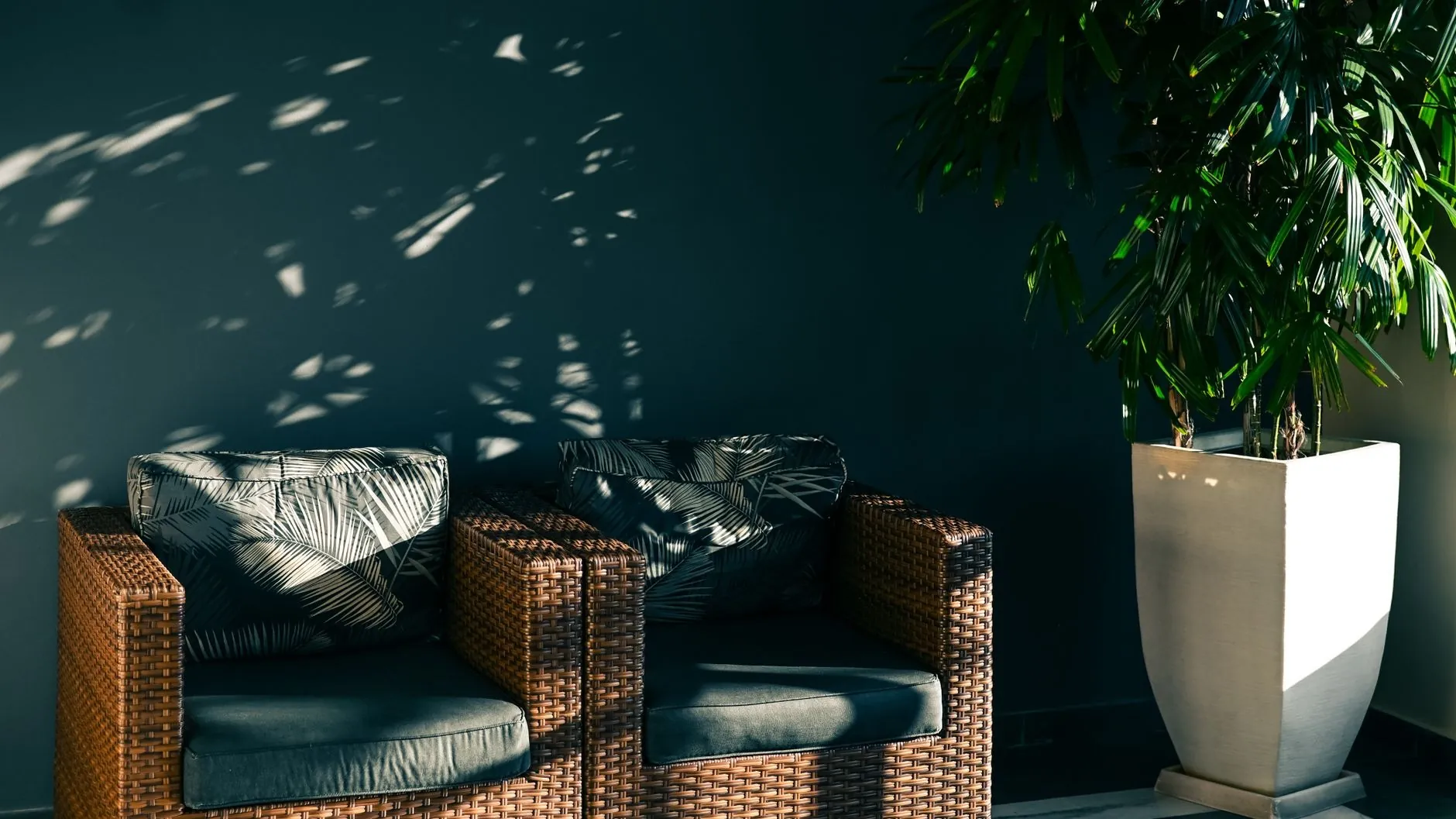
Swap Synthetic Fabrics for Cooling Textiles
The textiles you choose play a massive role in how comfortable your home feels during the humid months. Even during the dry season from May to October, when humidity drops, the climate remains tropical and requires breathable fabrics all year round. Synthetic upholstery and heavy cotton weaves tend to trap heat and become clingy in warm, unairconditioned spaces.
Switching to natural fibres can dramatically improve your daily comfort. Linen bedding can improve comfort in warm, humid conditions. Linen fibres can absorb up to 20 percent of their own weight in moisture without feeling damp to the touch. Alternatively, sustainable fibres like Tencel Lyocell, produced from wood pulp, can absorb up to 50 percent more moisture than conventional cotton. These breathable textiles accelerate evaporative cooling by rapidly moving moisture away from the body rather than trapping it against the skin.
Optimise Your Layout for Cross-Ventilation
A primary principle of tropical home styling is optimising natural airflow. Even the most moisture-resistant furniture will struggle if the air inside your home remains stagnant. Natural ventilation and passive cooling can reduce reliance on air conditioning when conditions are suitable.
To maximise comfort and protect your furniture, consider the following layout strategies:
- Elevate your furniture: Choose sofas, cabinets, and beds lifted on open legs rather than pieces that sit flush to the floor. This facilitates essential horizontal ventilation paths that help reduce stagnant air and the risk of mould buildup beneath heavy items.
- Keep airways clear: Avoid placing large furniture pieces directly in the line between opposite-facing windows. Keeping these primary airflow paths open is critical for efficient cross-ventilation.
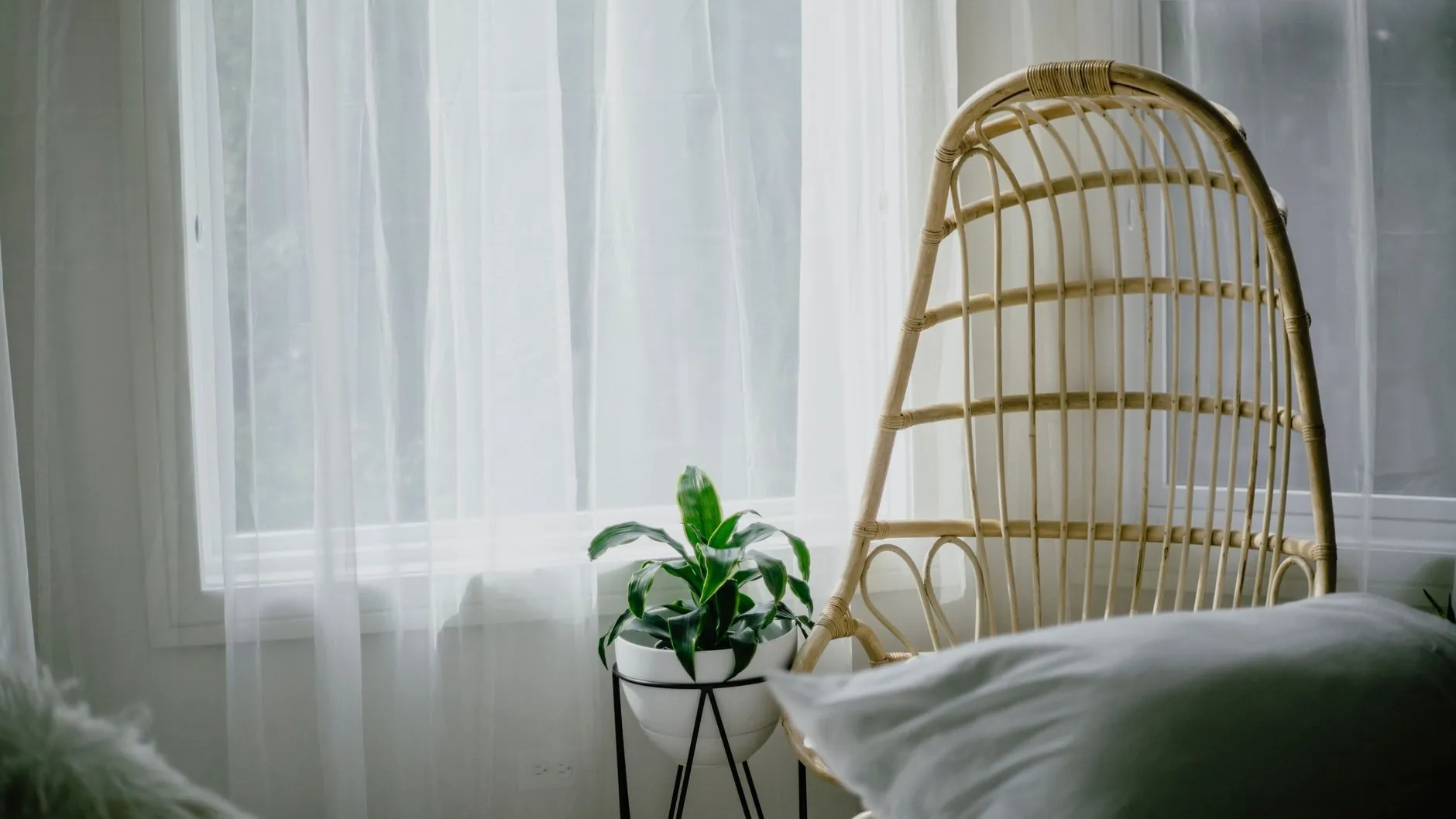
- Choose smart window treatments: Select breathable, louvered window coverings over heavy drapes. Keeping window openings clear can improve airflow through a room.
- Embrace hybrid designs: Incorporate furniture constructed with moisture-resistant wood frames combined with woven cane panels. This approach offers necessary weight-bearing integrity while maximising breathable airflow.
Adapting your home decor to a tropical environment does not mean sacrificing style for practicality. It simply requires a thoughtful approach to the realities of heat and humidity. Whether you are swapping out dense upholstery for breathable linen, trading heavy mahogany for airy rattan, or simply rearranging your living room to capture the afternoon breeze, every small change makes a significant difference. Ultimately, restyling your home with the climate in mind ensures that your new space remains a cool, comfortable, and welcoming retreat all year round.





 Blankets and Throws
 Home Accessories
 Furniture
 Rugs
 Cushions

 Kitchen
 Cutlery and Dinnerware
 Drinkware
 Table Mats and Coasters
 Dining Accessories
 Tablecloths and Napkins

 Decorative Items
 Vases and Planters
 Wall Decor

 Bathroom Accessories
 Bathroom Storage
 Bath and Shower Mats
 Towels