FREE WORLDWIDE TRACKED SHIPPING
The Fruit Bowl Is Still the Best Kitchen-Counter Centerpiece — With One Catch
 By Laura Jones
A fruit bowl can be the simplest kitchen centerpiece when scale, airflow and storage come first. Here is how to style one without clutter or waste.
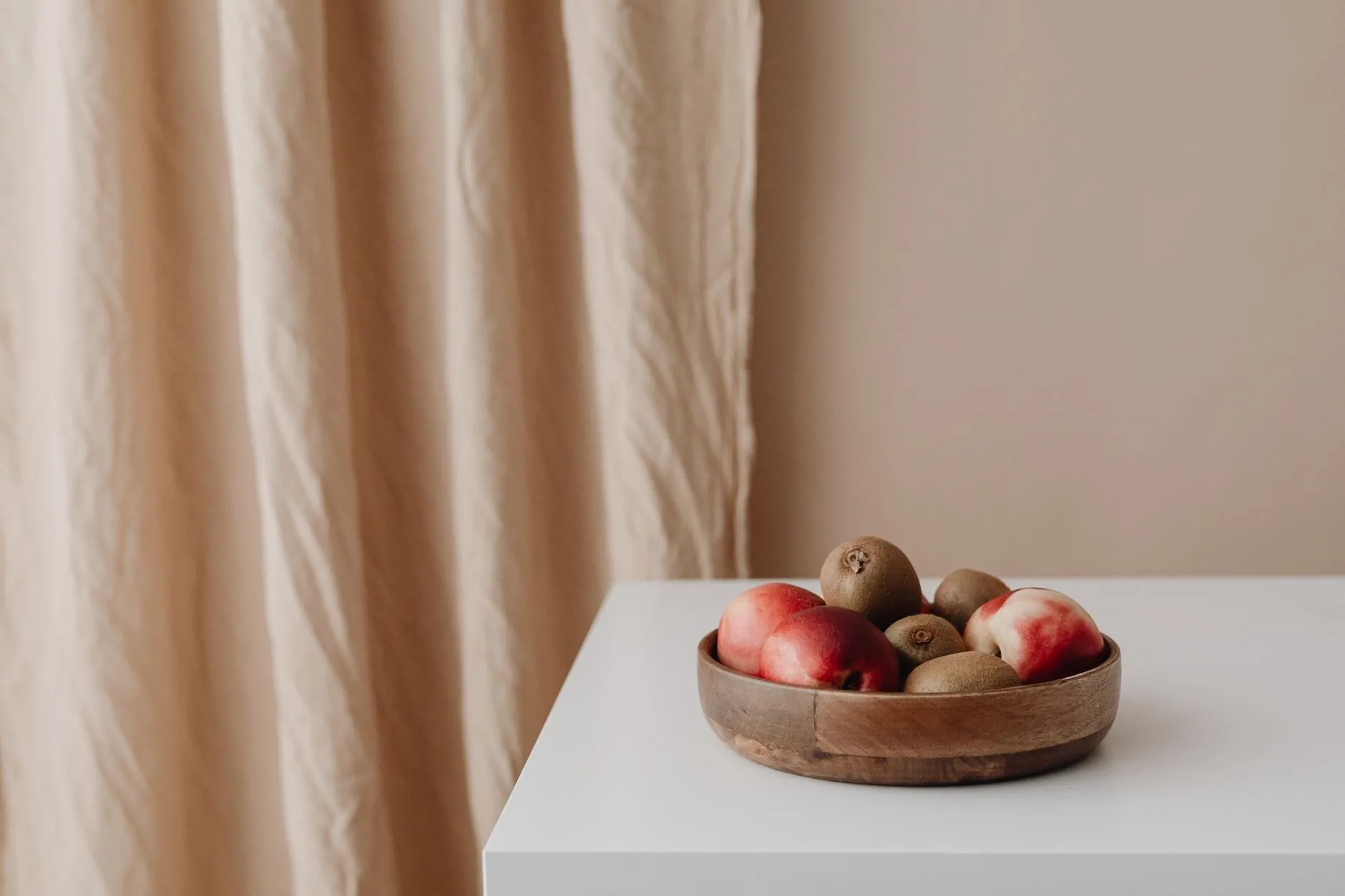
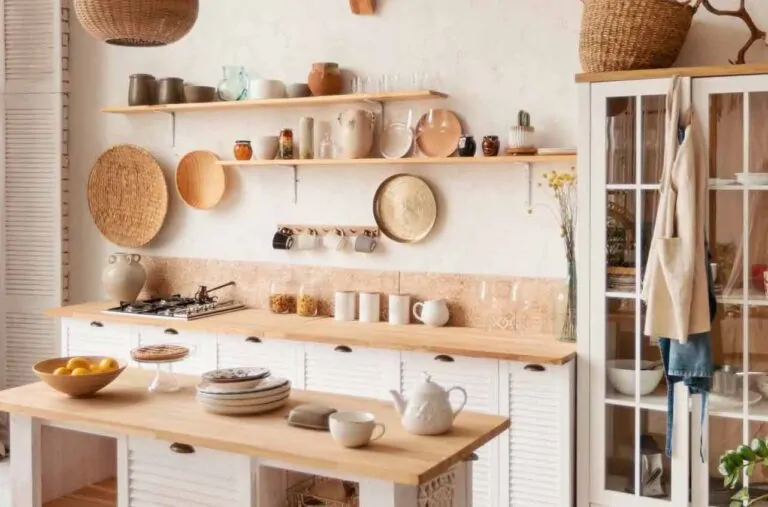
The best kitchen-counter centerpiece is still a fruit bowl: useful, colorful, inexpensive to refresh, and incapable of looking too staged. The catch is that it has to function as produce storage first and decoration second.
When that order is reversed, the bowl becomes a prop. It is too small for the weekly shop, too deep to protect soft fruit, placed in the middle of the prep zone, or piled with produce that should not all be stored together.
A well-styled fruit bowl is not full. It is edited. It leaves breathing room around the fruit and around itself.
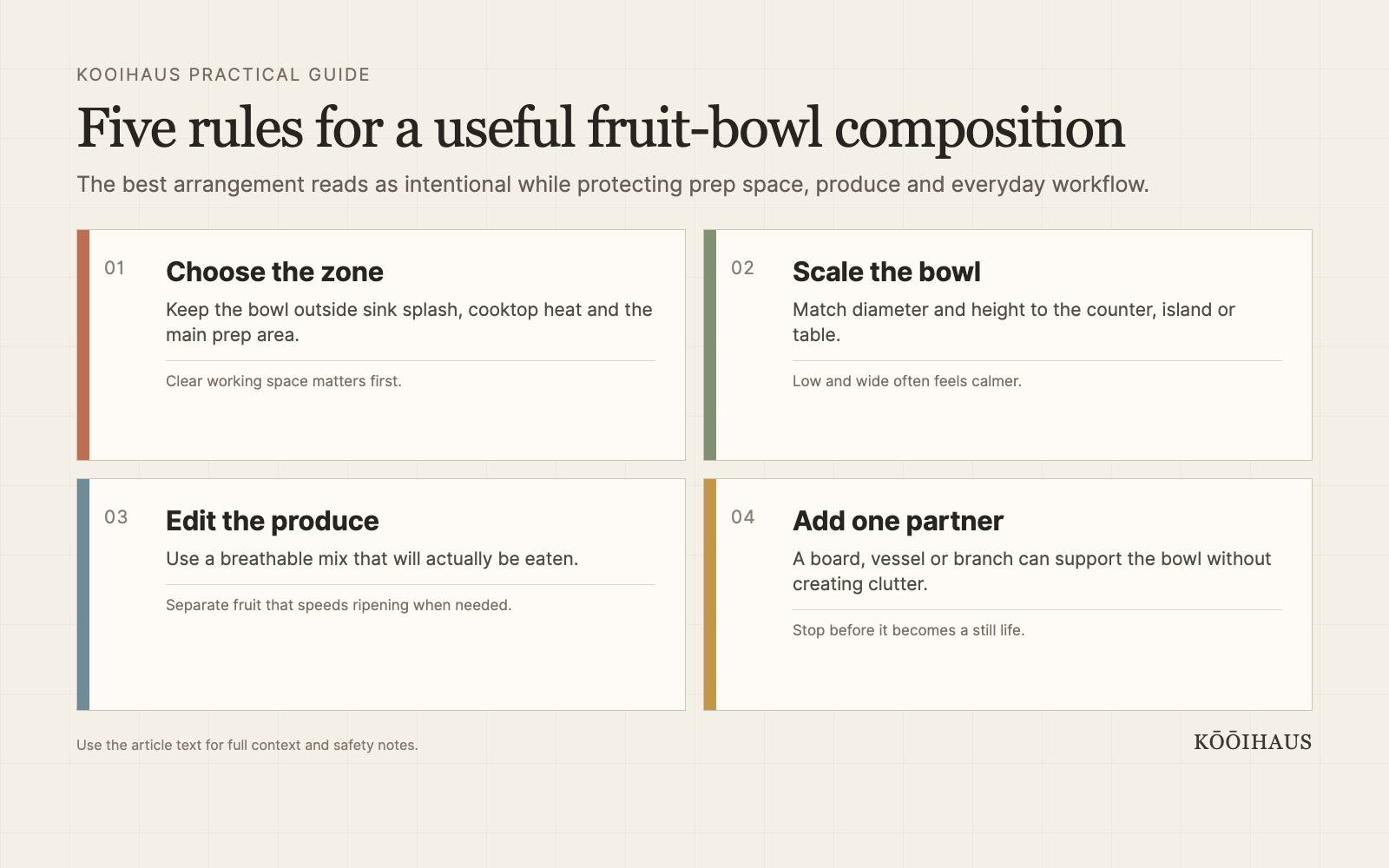
Choose the bowl for the counter zone
Do not begin with the number of people in the household. Begin with the amount of counter you can give up without interfering with cooking.
Tape or place a dinner plate where the bowl might sit, then prepare one ordinary meal. If you move the plate twice, that is not a styling zone. The best locations are often at the end of a counter run, on the non-working end of an island, or beneath open shelves where the vertical space is otherwise empty.
| Bowl type | Visual effect | Practical strength | Best location | Watch for |
|---|---|---|---|---|
| Wide, shallow ceramic | Calm, substantial, color-block effect | Fruit stays visible and less stacked | Island or deep counter | Heavy to move; hard edges can bruise soft fruit |
| Open wire or slatted bowl | Light, graphic, airy | Ventilation and easy visibility | Small or visually busy kitchen | Thin wires can mark delicate produce |
| Footed bowl | Adds height and a centerpiece silhouette | Frees a little visual space below | Dining-facing counter or island end | Can become top-heavy when overfilled |
| Wood bowl | Warm, quiet, natural | Gentle surface and low visual glare | Stone, white, or stainless kitchen | Needs prompt cleaning after leaks |
| Tiered basket | Vertical, practical, high capacity | Separates types while saving footprint | Pantry counter or generous corner | Can look like storage equipment in a minimal kitchen |
The right bowl leaves a visible margin of counter around it. That negative space is what turns storage into composition. If the fruit touches the backsplash, coffee machine, and utensil crock at once, the problem is not the bowl’s color—it is the zone’s capacity.
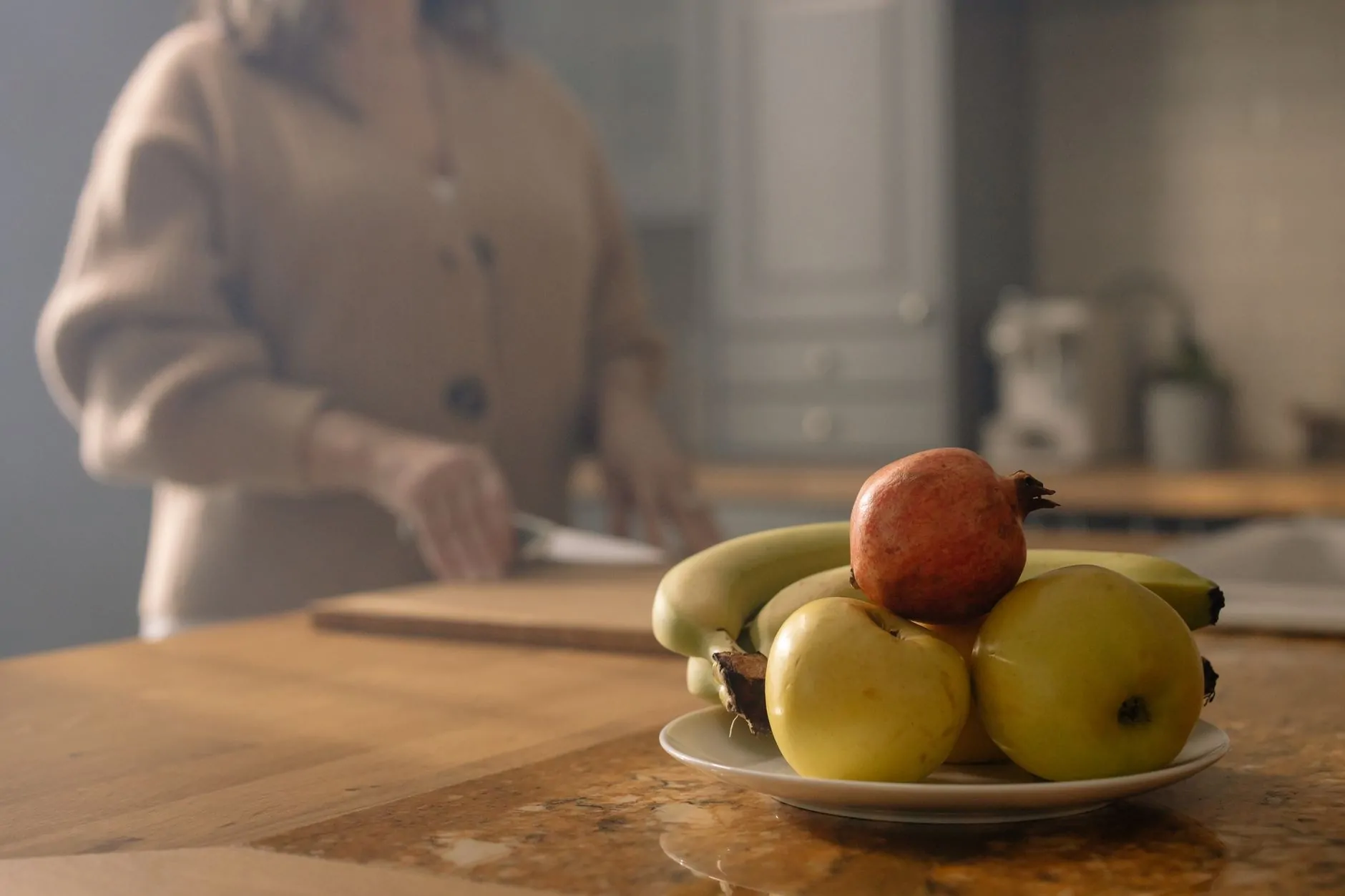
Scale it to the architecture
A tiny bowl on a long island looks nervous. An enormous footed vessel beneath a low cabinet looks trapped. Use nearby architecture as the scale reference.
On a kitchen island, a bowl can be broad and low because it is seen from several directions. On a perimeter counter, keep the bowl comfortably below upper cabinets and shallow enough that fruit at the back remains visible. In a narrow galley, an oval or rectangular basket can follow the counter’s long axis without consuming its full depth.
The bowl does not have to sit in the exact center. In fact, slightly off-center placement often looks more natural because it leaves a usable landing area for groceries, plates, or a cutting board.
If the counter already holds a stand mixer, coffee station, knife block, and several jars, do not add a fruit bowl as a fifth decorative category. Consolidate first. Our clutter-free organization guide is the more useful starting point in that kitchen.
Match the material without matching everything
The fruit bowl should relate to one existing finish, not imitate the entire room.
Ceramic works when the kitchen needs visual weight. A matte off-white or dark clay bowl can make bright fruit read as the only saturated color on the counter.
Wood softens stone, lacquer, and stainless steel. Choose a grain that is distinct from the cabinets rather than an almost-match that looks accidental.
Metal wire is useful in a compact room because the counter remains visible through it. Black wire draws a crisp outline; brushed metal recedes beside stainless appliances.
Glass creates less visual bulk but reveals every bruise, sticker, and stray leaf. It is beautiful for a small edited group, less convincing as chaotic weekly storage.
Woven fiber adds warmth and ventilation, yet it is harder to sanitize after a leaking peach or collapsed berry. Use a washable liner or reserve it for intact, firm-skinned produce.
One material contrast is enough. A stone counter, ceramic bowl, wood board, metal lamp, woven tray, and glass jar can become a catalog of surfaces rather than a coherent composition.
Add one supporting object, not a still life
A fruit bowl rarely needs a collection around it. It may benefit from one vertical companion that helps the low shape feel anchored: a small lamp, a crock of wooden utensils, a leaning board, or a vase with a single branch.
Use a simple height rule. The companion should be clearly taller, not just two inches higher. Similar heights create a row of unrelated objects; one low mass and one vertical line read as a composition.
Keep a gap between them. The eye should understand that the bowl is available for use and the neighboring object has its own purpose. If a tray is required to make the objects feel connected, the counter may already have too many of them.
Homes & Gardens’ counter-styling examples make a similar case for useful kitchen objects—bowls, boards, herbs, trays—rather than purely decorative clutter. The principle is sound when applied with restraint.
Styling does not override produce storage
Not every beautiful fruit should live in a bowl, and not every bowl should stay on the counter all week.
The FDA’s produce-safety guidance recommends refrigerating perishable produce such as berries at 40°F or below and washing produce under running water before preparing or eating it. A styling photograph is not a storage plan.
Firm whole fruits that are commonly kept at room temperature are the natural candidates for display, but follow specific storage guidance for what you buy. Check the bowl daily and remove anything split, leaking, moldy, or overripe.
Ripening fruit releases ethylene, which can accelerate ripening nearby. A recent Associated Press produce-storage guide notes that very ripe bananas stored beside greener fruit can shorten the surrounding produce’s useful life. That gives the classic bowl of apples, bananas, and avocados a practical problem: it may look abundant while quietly creating waste.
Use a separate hook, stand, or small plate for bananas if they are racing ahead. Keep different ripeness stages apart when you need the rest to last. The most attractive bowl is not the one filled to the rim; it is the one whose contents still look good enough to eat.
Five compositions for real kitchens
1. The low island bowl
Choose a broad, shallow ceramic or wood bowl and keep the fruit below eye level when seated nearby. Use three kinds of fruit at most, grouped loosely rather than alternated into a pattern.
This is the best all-purpose composition. The island remains open across sightlines, and the bowl looks good from every side.
2. The end-of-counter pair
Place a medium fruit bowl near a taller object at the final 18 to 24 inches of a counter run, provided that zone is not required for an appliance or food preparation. A lamp or leaning cutting board can supply height; the bowl supplies color.
Do not mirror the pair at the other end. Repetition can make a working kitchen look like a showroom display.
3. The compact wire bowl
Use an open, low wire bowl in a small kitchen so the countertop remains visible. Limit it to the produce you expect to eat within a few days. The outline does the decorative work, so there is no need for a tray beneath it.
4. The pantry tier
A two-tiered, ventilated basket earns its space when capacity matters more than a sculptural silhouette. Keep softer or ready-to-eat fruit where it is visible and do not use the lower tier as a dark place to forget onions or potatoes.
This is storage that can look considered, but it belongs in a pantry zone or generous counter corner rather than the visual center of a minimal island.
5. The dining-table handoff
If the kitchen counter is truly full, let the bowl live on the dining table. Choose a low vessel that can remain during casual meals without blocking conversation. Move it only when a full place setting needs the space.
That decision is better than forcing decor onto a work surface. A functional kitchen stays functional; our guide to maintaining a practical kitchen puts that priority first.
The Kooihaus verdict
Worth it: one wide, shallow bowl with visible counter space around it, filled below the rim with produce that is appropriate for room-temperature storage.
Worth stealing: the low-bowl-plus-one-tall-object composition. It creates enough variation to look designed while keeping every item useful.
Skip it: a giant mixed-fruit pyramid built for the photograph. Overcrowding hides damage, encourages bruising, complicates cleaning, and can speed ripening across the group.
The fruit bowl remains a better kitchen centerpiece than most decor because it changes with the week and disappears one piece at a time. Give it air, keep it honest, and let the fruit supply the color.
Frequently asked questions
Should bananas go in the same fruit bowl?
They can when everything will be eaten promptly, but ripe bananas release ethylene and may speed ripening nearby. Separate them when other fruit needs to last longer.
Is a deep or shallow fruit bowl better?
A wide, shallow bowl is usually better for styling and visibility because fruit is less heavily stacked. A deeper or tiered basket offers more capacity but needs closer checking for bruised or forgotten items.
Can a fruit bowl sit in the middle of a kitchen island?
Yes, if it leaves generous prep and landing space and does not block sightlines. A low bowl is safer than a tall arrangement in a busy island.
How often should you clean a fruit bowl?
Check it daily and clean it whenever fruit leaks, molds, or leaves residue. Otherwise wash it regularly according to the material and dry it completely before refilling.
What should you put in an empty fruit bowl?
Nothing is a valid answer. An empty sculptural bowl can rest between shops. Avoid filling it with decorative spheres or unrelated objects merely to preserve the display.










 Blankets and Throws
 Home Accessories
 Furniture
 Rugs
Rugs Cushions
 Kitchen
 Cutlery and Dinnerware
 Drinkware
 Table Mats and Coasters
 Dining Accessories
 Tablecloths and Napkins
 Decorative Items
 Vases and Planters
 Wall Decor
 Bathroom Accessories
 Bathroom Storage
 Bath and Shower Mats
 Towels