FREE WORLDWIDE TRACKED SHIPPING
The Best Appliance Garage Hides Clutter, Not Your Workflow
 By Alex Carter
An appliance garage should reduce counter clutter without making breakfast harder. Compare layouts, doors, access, power, heat and ventilation before building one.
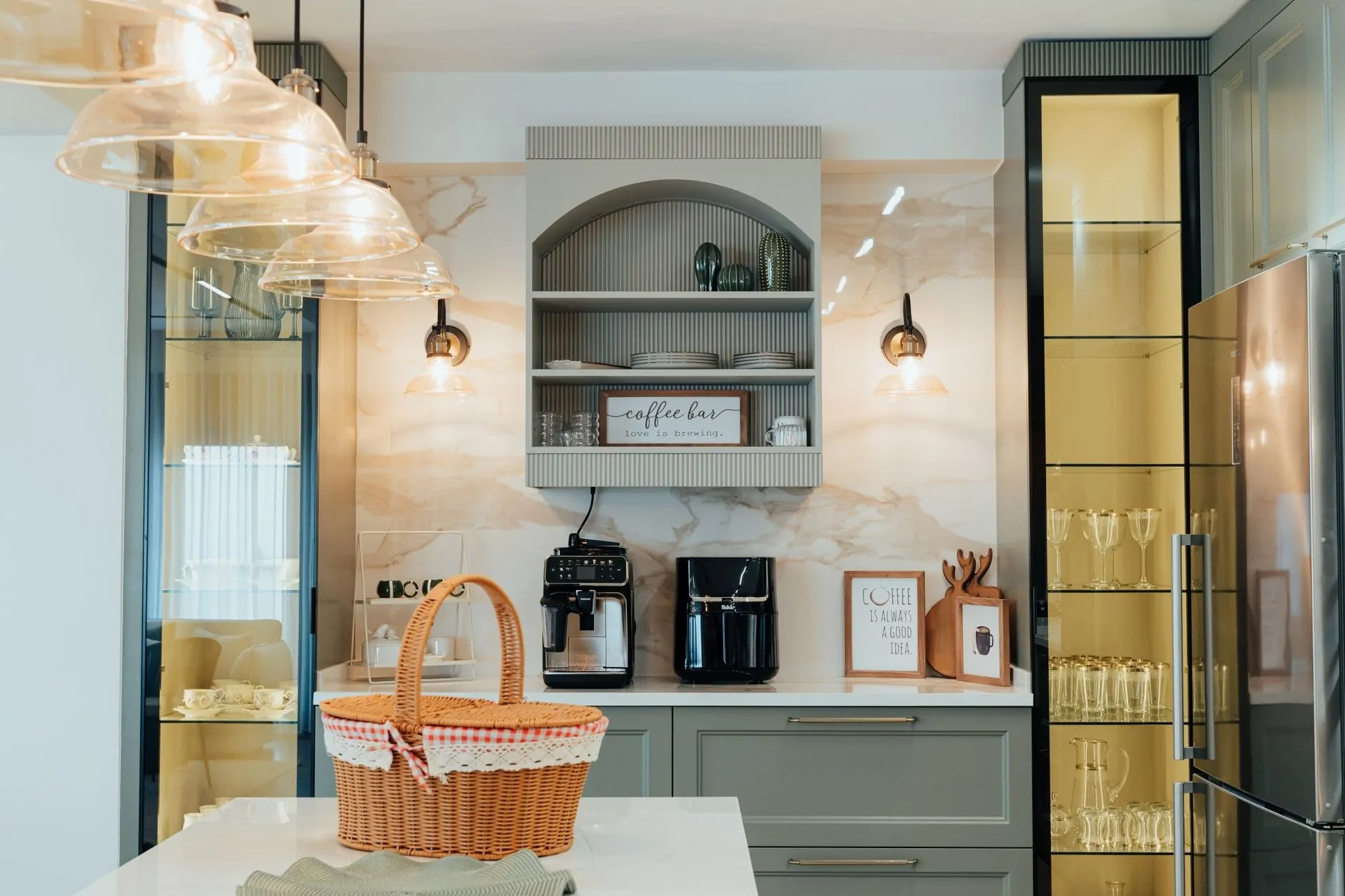
An appliance garage promises the fantasy of an empty kitchen counter: toaster, blender, coffee maker, mixer, and their cords all disappear behind one clean door. Then breakfast starts, the door blocks the worktop, the toaster has nowhere safe to vent, and the mixer is still too heavy to pull forward.
The best appliance garage ideas solve that second scene, not just the first photograph. A useful garage keeps the appliances you actually use at a comfortable height, gives them the space and services their manufacturers require, and lets the kitchen reset quickly. If hiding an object adds three steps every time you need it, the cabinet has concealed the workflow along with the clutter.
Start With Appliance Frequency, Not Cabinet Style
List the countertop appliances and mark how often each one is used:
- Several times a day: coffee machine, kettle, toaster, or another household essential.
- A few times a week: blender, food processor, rice cooker, or air fryer.
- Occasionally: stand mixer, juicer, waffle maker, ice-cream machine, or seasonal tool.
Then add weight, cord length, accessories, cleaning routine, and whether the appliance produces heat, steam, or crumbs. A light blender can move between a shelf and the counter. A heavy mixer may become less useful if it must be lifted from a low cabinet. A coffee station needs room for beans, filters, cups, water, spills, and the hand movements of making coffee—not only the machine’s footprint.
This is why an edited collection of kitchen tools chosen for long-term use often improves storage more than another cabinet. The cheapest appliance garage is the volume you no longer need to house.
What an Appliance Garage Should Solve
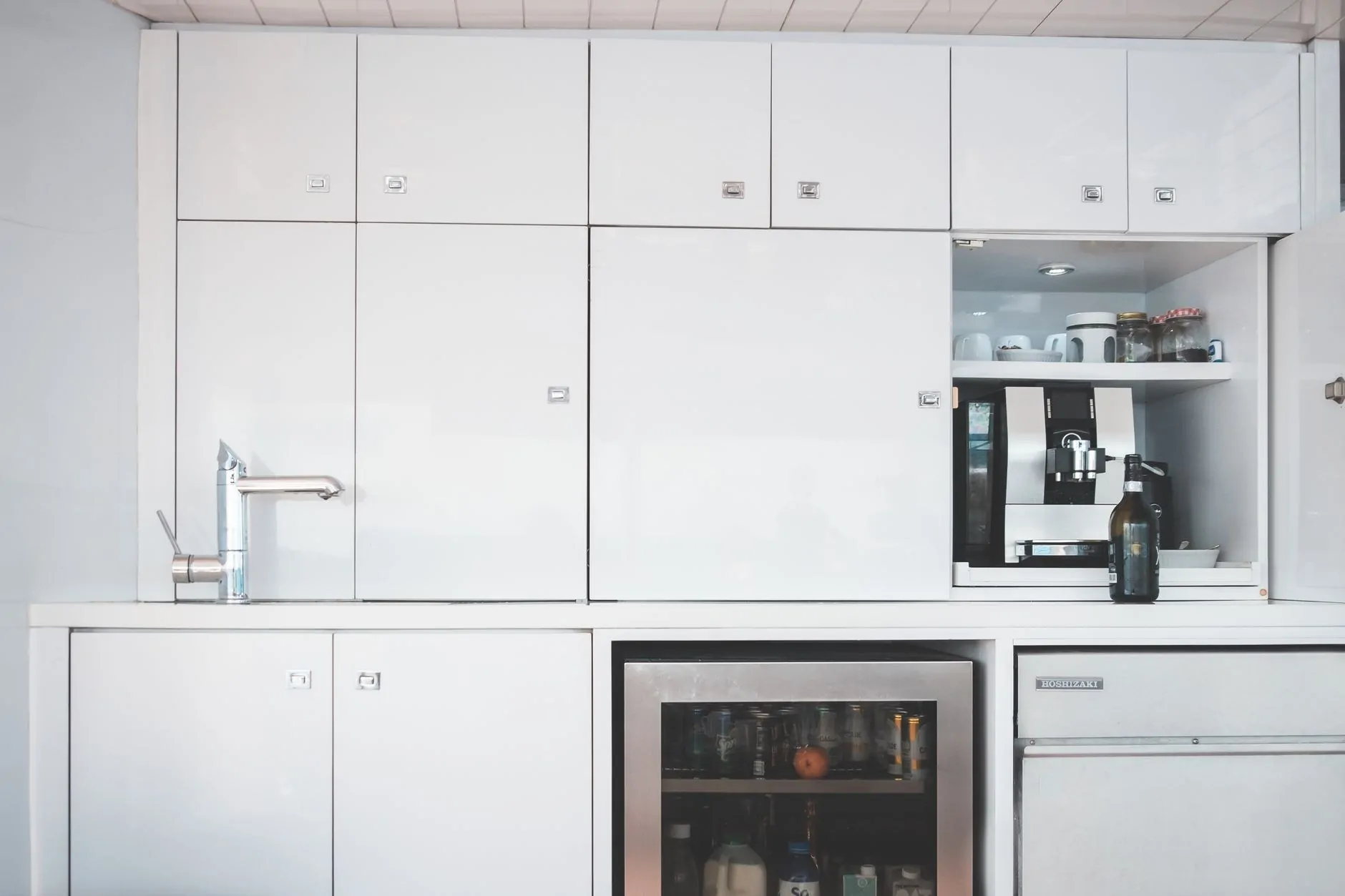
Good appliance storage can remove visual noise, keep a worktop easier to wipe, reduce lifting, contain accessories, and create a dedicated routine such as breakfast or coffee. It can also make an open kitchen feel calmer when viewed from the living or dining area.
Current projects are leaning into this architectural approach. A 2026 Livingetc kitchen feature showed appliances integrated behind push-to-open and pocket doors, including a breakfast station designed as a concealed work zone. Martha Stewart’s designer appliance-garage examples similarly range from coffee and drinks stations to cabinetry that matches the surrounding kitchen.
But concealment is only valuable when it improves one of these jobs. A cabinet that hides a toaster while leaving no landing space for bread or plates has solved the least important part of breakfast.
Compare the Main Appliance-Garage Layouts
The door and shelf arrangement determine how the zone behaves when open.
| Layout | Best for | Strongest advantage | Main compromise | Skip if |
|---|---|---|---|---|
| Countertop cabinet with hinged doors | Wide walls and appliances used in place when permitted | Familiar hardware and generous access | Open doors occupy side space and can block adjacent cabinets | The worktop is narrow or doors interrupt the main prep zone |
| Pocket-door station | Coffee/breakfast zones used for longer periods | Doors disappear while the station is active | More complex hardware and internal width | The cabinet cannot spare space for the pockets |
| Lift-up or retracting front | Compact stations with clear space above | Keeps door out of the side work zone | Hardware, head clearance, and handle reach matter | The open door is too high to reach or conflicts with cabinets above |
| Tambour/rolling door | Shallow visual closure and frequent access | Door does not swing into the room | Tracks consume space and need cleaning/maintenance | Small interior losses make appliances too tight |
| Pantry or tall-cabinet zone with pull-out shelf | Weekly appliances and accessory-heavy routines | Consolidates storage and can bring equipment forward | Can sit away from the main prep area | Heavy appliances still require lifting or cords cross a route |
Sweeten’s recent appliance-garage layouts show why the category is broader than one countertop box: pantry zones, pull-outs, concealed trash, and other storage can work together. Worth stealing: a layout chosen around the appliance routine. Skip: a fashionable door selected before anyone checks how it opens beside the coffee cup, sink, or prep board.
Door Choice Controls Whether the Garage Gets Used
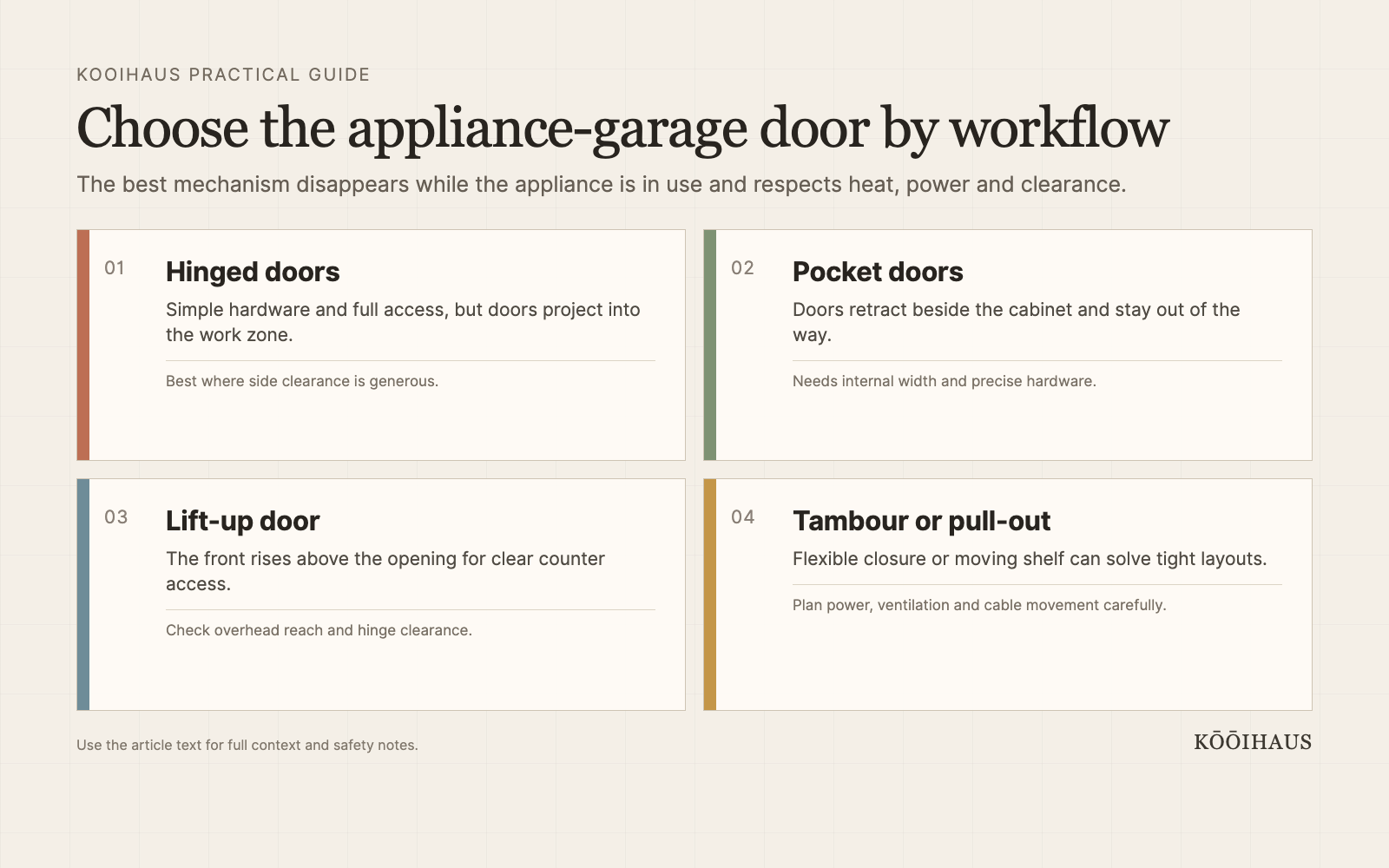
Hinged doors are simple and serviceable, but they need clear space on both sides. Pocket doors preserve the active work zone, although their tracks and side pockets reduce usable cabinet width. Lift-up fronts can work beautifully when the open position is reachable and does not meet another door. Tambour doors are compact but introduce tracks that collect crumbs and demand accurate alignment.
Open the proposed door on a measured elevation, not only a front view. Check neighboring drawers, wall cabinets, refrigerator doors, and the path of the cook. If two people use the kitchen, test whether one person can operate the appliance station while another reaches the sink or refrigerator.
Hardware is the hidden engine of purpose-driven custom cabinetry. Spend on the mechanism that will move every day. Decorative fronts cannot compensate for a door that becomes irritating after a week.
Design the Workflow Inside
An appliance garage needs a small sequence, not a row of machines.
Place the most-used appliance closest to its supporting task. Coffee beans, filters, cups, and a waste point belong near the coffee maker. The blender needs ingredients, a place for the lid, and a route to the sink. A mixer needs bowl and attachment storage that does not require emptying another shelf.
Include a heat- and moisture-appropriate work surface, task lighting suitable for the environment, a removable crumb or drip area, and a clear way to clean behind the appliance. A pull-out shelf can improve access for a heavy machine, but its hardware and load rating must suit the actual equipment. A pull-out that flexes under a mixer is not an upgrade.
Keep frequently used accessories visible or one movement away. The goal is the same as maintaining a functional kitchen for daily use: reduce the steps between use, cleaning, and reset.
Power, Heat, and Ventilation Are Design Inputs
An appliance garage may contain electricity, moving parts, water, heat, and steam in a small enclosed volume. That makes power and ventilation part of the cabinetry brief from the beginning—not details to solve with an extension cord afterward.
Follow the installation and operating instructions for every specific appliance. A unit designed for a countertop is not automatically approved to operate inside cabinetry, and a built-in model can have installation requirements that do not apply to a freestanding one. Whirlpool’s placement guidance, for example, distinguishes among countertop, built-in, pantry, and other microwave positions rather than treating every cabinet as interchangeable.
Use a qualified electrician and kitchen professional to plan outlets, circuits, switching or interlocks, clearances, ventilation, and access under local rules. Do not operate heat-producing appliances behind closed doors. Do not block vents, trap steam against cabinetry, run cords through improvised sharp openings, or assume that leaving a door cracked satisfies the manufacturer’s requirements.
There is no honest universal clearance number for “an appliance garage.” The correct condition belongs to the exact appliance, cabinet, hardware, electrical design, and jurisdiction.
Appliance-by-Appliance Verdicts
Coffee maker or espresso machine
Potentially worth it: a pocket-door station with room for water filling, steam, cups, waste, and wiping. Skip: a low cabinet where the water tank cannot be removed or a shelf directly above that traps heat and moisture. Follow the machine’s placement instructions.
Toaster
Crumbs and heat make this less simple than it looks. Worth considering: storage in the garage with a clear, safe routine for use in an approved open position. Skip: operating it against closed doors, combustible clutter, or insufficient clearances.
Blender or food processor
Often a good candidate because accessories can live together and the machine may not run every day. Make sure the jar, lid, and blade parts are reachable and the machine can move to an appropriate operating surface if required.
Stand mixer
The design problem is weight. A counter-level home or properly rated pull-out/lift can remove repeated lifting, but specialist hardware must suit the model and load. Skip: a deep low shelf that turns baking into a deadlift.
Air fryer, microwave, or other high-heat appliance
Treat these as appliance-specific installation projects, not décor. Only use a cabinet position if the manufacturer permits it and all required ventilation, clearance, power, and access conditions are professionally resolved.
No-Renovation Alternatives
You do not need full millwork to regain visual calm.
A freestanding cabinet or pantry can hold occasional appliances while daily ones remain on a single edited tray. A sturdy cart can create a movable appliance zone if its load, stability, cord route, and operating location are appropriate. A nearby closet may store seasonal tools. Matching containers can consolidate small accessories without pretending every machine should disappear.
The visual restraint of a Japandi kitchen is useful here: calm comes from intentional selection, natural hierarchy, and clear surfaces—not from hiding an excessive inventory behind one more door.
For renters, prioritize reversible organization and avoid adding outlets, cutting cabinetry, or modifying services without permission and qualified work.
What to Spend On—and What to Skip
Spend on robust door hardware, properly rated pull-outs, durable and cleanable interior surfaces, good task lighting, and professional electrical/ventilation planning where power is involved. Spend time measuring the appliance in use: lids open, tanks removed, bowls lifted, doors swung, and cords connected.
Skip a garage that is only deep enough for the machine when nothing moves. Skip a door that blocks the adjacent prep zone. Skip interior shelves fixed before the household decides which appliance gets priority. And skip any design that depends on ignoring operating instructions to preserve a seamless look.
The Final Verdict
The best appliance garage makes a kitchen feel calmer because it makes a routine clearer. The coffee station opens as one complete zone. The mixer comes forward without strain. Weekly appliances have homes, while daily essentials remain easy to use and clean.
Concealment is the visual reward, not the organizing principle. Start with frequency, workflow, heat, power, and access; then choose the door and finish. When the cabinet opens, the kitchen should become more functional—not reveal that the mess has simply been given hinges.
Frequently Asked Questions
What is an appliance garage?
An appliance garage is a cabinet or enclosed storage zone designed to keep countertop appliances and their accessories contained and visually quiet. It may sit directly on the counter, use pocket or lift-up doors, occupy a pantry section, or include a pull-out work shelf.
Can appliances stay plugged in inside an appliance garage?
That depends on the appliance, cabinetry, electrical design, local requirements, and whether the unit is approved to operate in that position. Use manufacturer instructions and qualified electrical/kitchen planning; do not assume that a plugged-in appliance is safe to run in a closed or poorly ventilated cabinet.
Which appliances work best in an appliance garage?
Appliances with a repeatable routine and related accessories often benefit most, such as a coffee setup, blender, or mixer. Frequency, weight, heat, steam, ventilation, cord management, and the manufacturer’s placement requirements should decide—not appearance alone.
Do appliance garages need ventilation?
Many powered or heat-producing appliances have ventilation and clearance requirements, but there is no universal rule for every garage. Follow each appliance’s instructions and have the cabinet, power, switching, and airflow designed for the specific equipment and local code.











 Blankets and Throws
 Home Accessories
 Furniture
 Rugs
Rugs Cushions
 Kitchen
 Cutlery and Dinnerware
 Drinkware
 Table Mats and Coasters
 Dining Accessories
 Tablecloths and Napkins
 Decorative Items
 Vases and Planters
 Wall Decor
 Bathroom Accessories
 Bathroom Storage
 Bath and Shower Mats
 Towels