FREE WORLDWIDE TRACKED SHIPPING
London Design Festival 2026’s Best Idea Was Choice, Not a Trend
 By Laura Jones
Four useful ideas from London Design Festival 2026: design for sensory range, demand material proof, plan for sound and keep craft legible
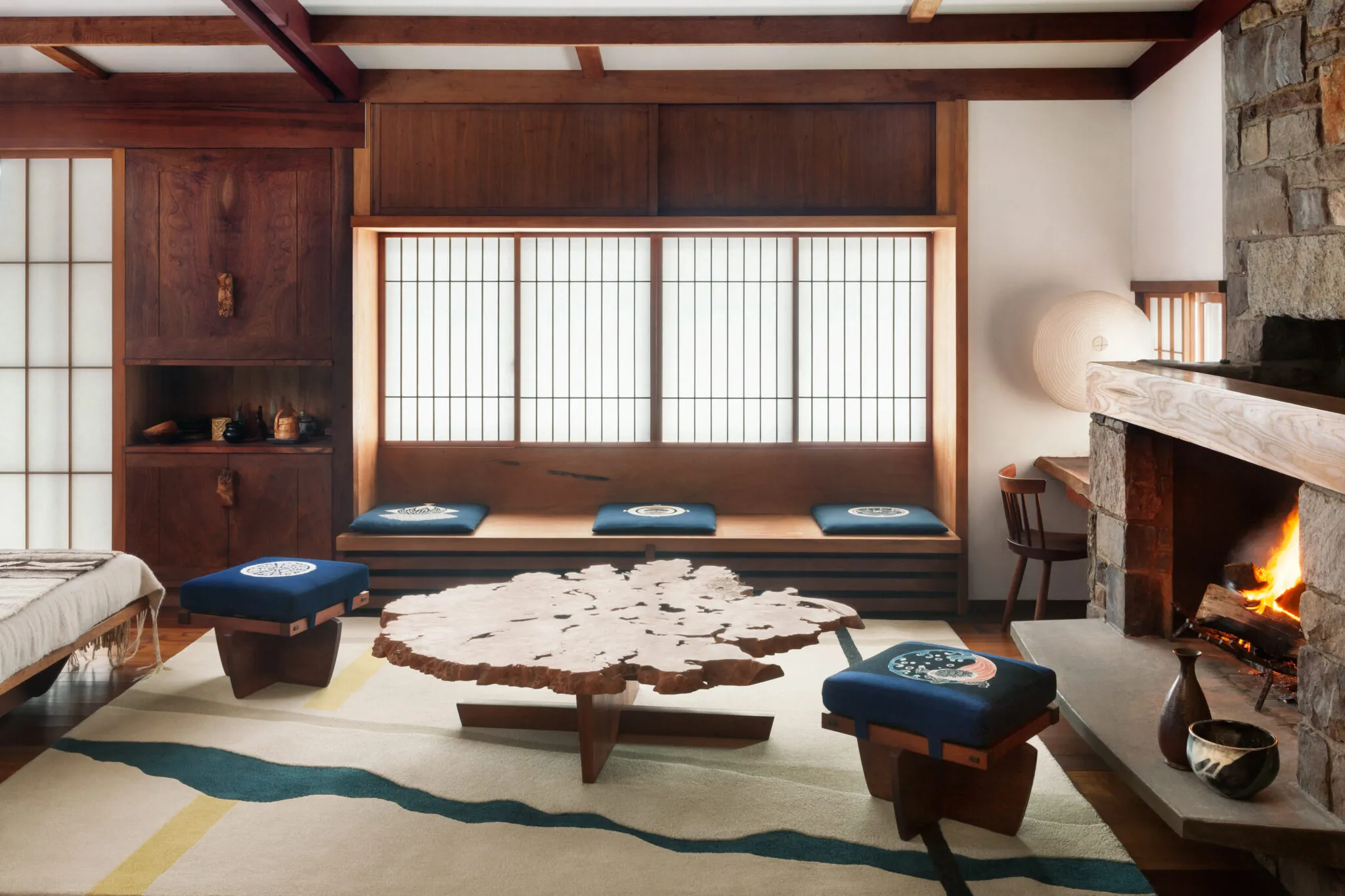
Tai Ping's Conoid II shown during Brompton Design District at London Design Festival 2026. Image: London Design Festival press kit.
The most useful room at London Design Festival 2026 was four rooms.
Inside the Neuroplaces Reset Lounge, visitors could move between four sensory environments with different light, color, texture, sound, enclosure, and spatial character. There was no prescribed route and no correct place to settle. The point was to notice which conditions helped and which did not.
That small experiment explains the festival better than a list of fashionable colors. Across the official program and independent reporting, the strongest projects kept returning to choice, material evidence, sound, and visible making. They did not offer one perfect interior for everyone.
London Design Festival ran across the city from September 12 to 20, 2026. This review is based on the published program, official project documentation, and reporting from editors who attended. I did not visit the installations in person, so this is an evidence-led synthesis rather than an on-site diary.
Its most useful message for the home is simple: stop asking one room, one material, or one visual trend to work for every person and every task.
1. Design for range, not an imaginary average
Sonda Studio, which designed the Reset Lounge, described its principle as designing for range rather than average. One person may find a low-lit enclosed space calming. Another may find it dull or uncomfortable. Pattern can focus one mind and overload another. Silence is restorative for some people and unsettling for others.
This is a more rigorous idea than declaring a single palette “calming.” Color participates in a sensory environment, but it does not work alone. Glare, echo, visual movement, temperature, enclosure, and predictability all affect how a room feels.
The wider Neuroplaces program made that argument concrete. Applelec Interiors combined acoustic treatment and controlled illumination in one wall system, showed lighting that could define zones for different activities, and presented clearer illuminated wayfinding. A separate panel on neuroinclusive spaces focused on choice, comfort, sensory awareness, and flexibility in workplaces and learning environments.
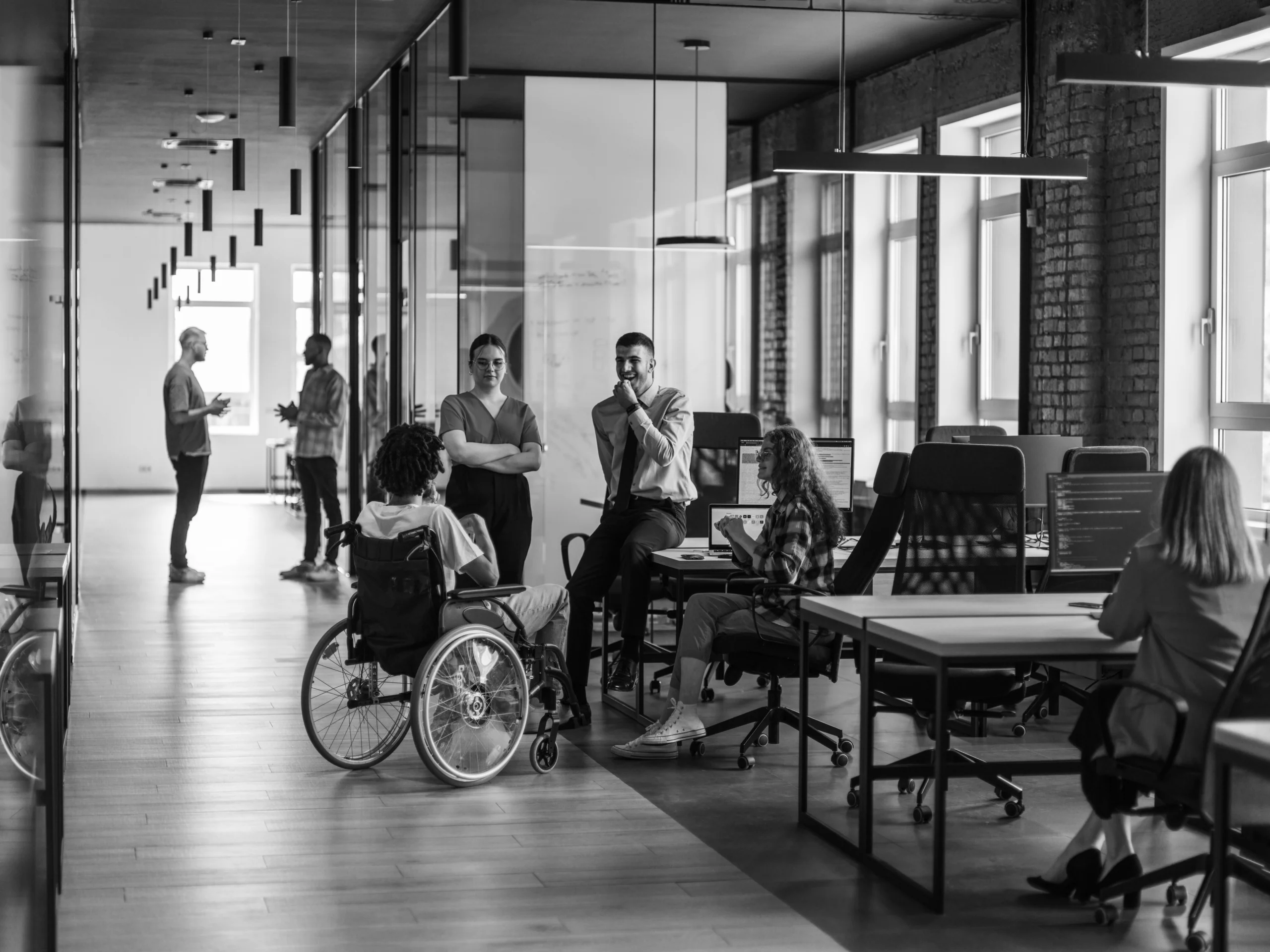
The residential translation does not require a specialist pod or a complete renovation. Give a room at least two usable states:
- bright general light and a lower, warmer evening layer;
- an open social seat and a more sheltered reading position;
- visible storage for frequently used items and closed storage for visual relief;
- background sound when it helps and a soft, quieter zone when it does not;
- a clear route through the room that does not change every time a chair moves.
User control is the important part. A dimmer is useful because it changes a condition. A curtain can reduce glare. A movable lamp, a door, a screen, or a chair with a higher back can let one room serve different sensory needs without declaring one setting universally correct.
Our guide to lighting design trends for 2026 explains how layering and warm dimming create those different states without asking a decorative pendant to perform every lighting task.
2. A sustainable material needs a better story than “natural”
Material Matters brought some of the festival’s clearest technical propositions into one Shoreditch venue. FRONT and Biomason presented Mimmik Tile, an architectural tile grown with the help of bacteria rather than conventionally fired. Carbon Cell showed development work on compostable foam made with biochar as an alternative to plastic foam. Other exhibits addressed waste-derived building products, natural materials, circular construction, and durability.
These projects matter because they describe a process, not only an appearance. A beige, fibrous, speckled, or visibly recycled surface can signal environmental virtue before its production, binder, transport, repair path, or end of life has been explained. The visual language of sustainability has become easy to imitate.
London’s Six Faces of a Brick exhibition added another complication. Its premise was that a reclaimed material can hold forms of value that a demolition cost, carbon figure, or inventory code does not capture. A brick may contain usable structure, skilled labor, memory, and local history at the same time. The exhibition structures themselves used reclaimed materials.
For a homeowner, that leads to better questions:
| Before buying a material or finish | What the answer should clarify |
|---|---|
| What is it made from? | The main material, binder, coating, backing, and meaningful recycled or bio-based content |
| How is it produced? | Whether the unusual process changes energy use, waste, emissions, or only the marketing language |
| Where can it be used? | Moisture, heat, impact, UV, cleaning, and installation limits |
| Can it be maintained or repaired? | Whether one damaged area can be fixed without replacing the entire surface |
| What happens later? | Reuse, take-back, separation, recycling, composting, or landfill reality in your location |
| Is it available at project scale? | Whether it is a tested commercial product, a limited run, or an exhibition-stage proposal |
Mimmik Tile is an intriguing example, but an exhibition appearance does not answer every specification question for a kitchen, bathroom, or fireplace. The same caution applies to any new biomaterial. Ask for technical data appropriate to the use, samples, cleaning guidance, installation requirements, warranty terms, and an honest end-of-life route.
Longevity still counts. Maintaining a sound object for another ten years can be a better environmental decision than replacing it with a new product that carries a greener vocabulary. Our guide to extending the life of furniture covers the less photogenic work of inspection, cleaning, protection, and repair.
3. Sound belongs in the floor plan
Fritz Hansen Sound Club arranged four domestic listening scenes: a study, reading corner, living room, and drinks setting. Furniture, archive pieces, lighting, and a turntable changed with the social purpose of each area. One invited concentration, another solitary listening, another conversation.
The products received plenty of attention, including matching burgundy versions of a KAISER idell lamp and Technics turntable. The more transferable idea was that sound characterizes a space. It affects where people pause, how close they sit, and whether an activity feels private or shared.
Most room plans are drawn as if homes were silent. A sofa faces a focal point, a lamp fills a corner, and a rug completes the composition. Then the hard floor, bare windows, television, kitchen extractor, and two conversations occupy the same acoustic field.
Before adding decorative objects, listen to the room during its busiest hour. Identify the main sound source, reflective surfaces, and the seat where speech becomes difficult. Then make one targeted change:
- move speakers away from corners and unstable furniture;
- place seating so listeners are not all pressed against the room’s edges;
- add a rug and dense pad where a large hard floor produces sharp reflections;
- use lined curtains when glass is a major reflective plane;
- put absorbent upholstery or books near the conversation zone;
- separate focused work from television or kitchen noise when the plan allows it.
Softness is not a universal acoustic cure. A thin throw or tiny rug will not control a large, reverberant room, and covering every surface can make sound unnaturally flat. Start with the largest problem surface and the activity that needs the clearest result. Our article on how carpets shape everyday comfort explains why floor textiles affect sound, warmth, and maintenance at the same time.
4. Craft and technology work best when each keeps a job
The official festival program repeatedly paired hand processes with newer tools. Material Matters included Matrix Design’s Hand, Code, Matter, an exhibition about hand-making, drawing, AI, and spatial design. At the V&A, Craft x Tech Tokai paired six international designers with six craftspeople from Japan’s Tokai region. The works brought contemporary design methods into dialogue with region-specific making knowledge.
The important word is dialogue. Technology can test forms, model structures, repeat components, or extend a process. Craft can retain material judgment, adjustment, and knowledge that is difficult to reduce to a file. One does not become credible merely by borrowing the visual language of the other.
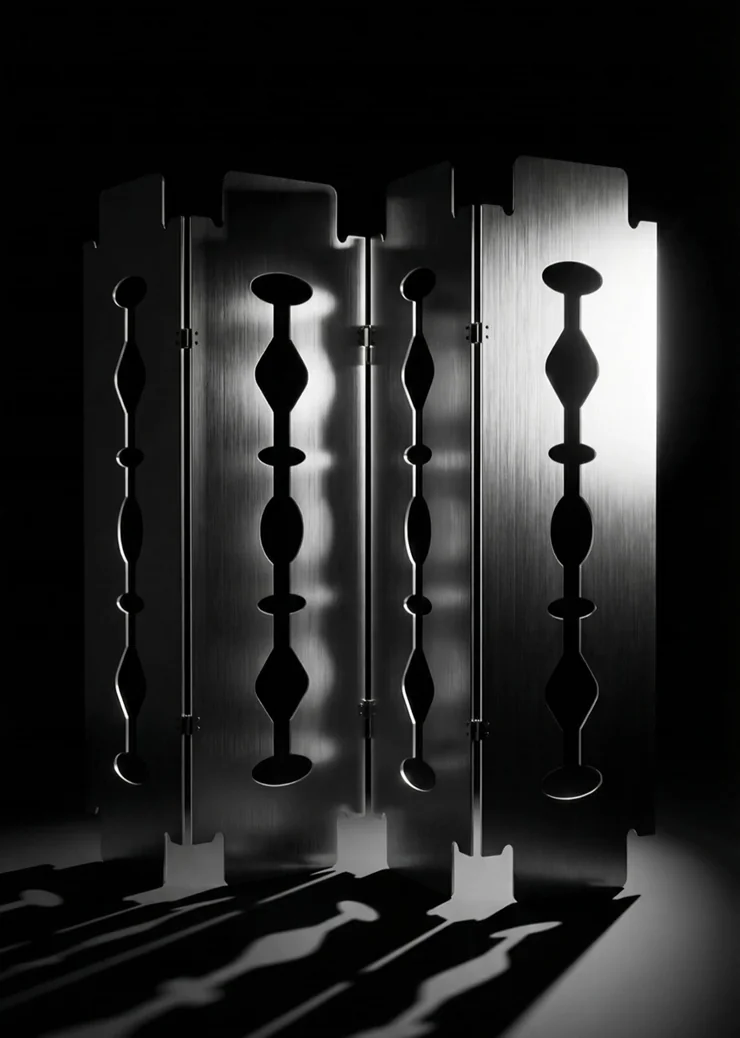
That distinction is useful when shopping. “Hand-finished” may describe a meaningful final process or a minor touch on an otherwise standard product. “AI-designed” may identify a genuine exploratory method or merely provide campaign novelty. Ask what each process changed.
Visible evidence can help. Look for joinery that suits the material, variation that follows from the process, repairable connections, named makers, and documentation that explains how the object was developed. Perfect irregularity manufactured as a surface effect is still a pattern.
At home, the lesson is restraint. One object with a legible process can carry more character than a room filled with vaguely artisanal finishes. Let the construction be visible where it improves understanding or use. Hide the technology when it distracts from the task. Keep it accessible when it will need maintenance.
What not to call a 2027 trend yet
Several themes recurred at the festival: material experimentation, craft revival, sensory design, acoustics, reuse, richer natural color, and collaboration across cultures and disciplines. Recurrence makes them editorially important. It does not prove that every one will become a mass-market home trend in 2027.
Festival installations, research projects, trade showrooms, and available retail products operate at different stages. A prototype can change professional thinking long before it becomes affordable or suitable for a residential specification. A showroom color can spread quickly without carrying the deeper material idea that accompanied it.
That is why this article avoids a shopping list of festival “must-haves.” Kooihaus’s recent review of Maison&Objet’s Pulse in Motion already translated a design fair into five specific home ideas. London offers a different conclusion: the most important development may be a better standard for judging ideas before bringing them home.
Ask whether the design offers choice. Ask what the material claim can prove. Listen to the room. Look for a process that has changed the object rather than decorated its story.
The verdict
London Design Festival 2026 did not produce one dominant room to copy. Its strongest projects made the single-look model feel inadequate.
The Reset Lounge offered four valid sensory conditions instead of one prescribed calm space. Material Matters put process and durability beside appearance. Fritz Hansen treated sound as part of furniture placement. Craft x Tech kept human knowledge visible while working with contemporary design methods.
The useful home trend is therefore not a color, curve, or material. It is agency: more than one way to light, hear, use, maintain, and understand a room.









 Blankets and Throws
 Home Accessories
 Furniture
 Rugs
Rugs Cushions
 Kitchen
 Cutlery and Dinnerware
 Drinkware
 Table Mats and Coasters
 Dining Accessories
 Tablecloths and Napkins
 Decorative Items
 Vases and Planters
 Wall Decor
 Bathroom Accessories
 Bathroom Storage
 Bath and Shower Mats
 Towels