FREE WORLDWIDE TRACKED SHIPPING

Zara Home’s Baisi Guadagnino Collection Is More Film Set Than High Street
 By Alex Carter
Baisi Guadagnino for Zara Home is a 200-piece cinematic world, not a typical high-street drop - and its most useful ideas do not require the sofa
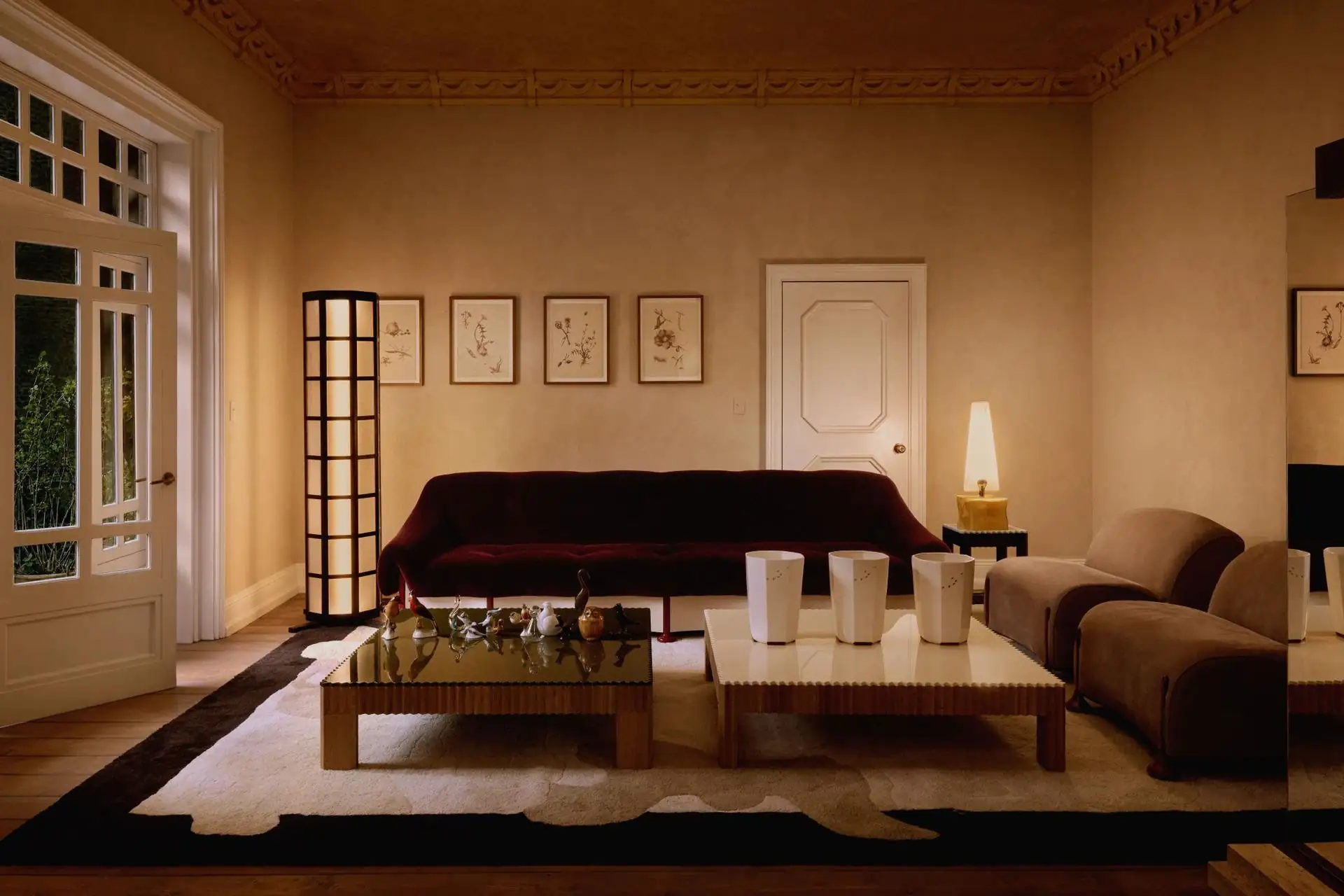
Image: Zara Home / David Sims.
The Baisi Guadagnino collection for Zara Home contains more than 200 pieces, yet it does not feel designed to furnish 200 ordinary needs. It feels designed to build a world.
Launched globally on September 26, 2026, the collaboration brings together filmmaker Luca Guadagnino and architect and production designer Stefano Baisi. Furniture, lighting, tableware, rugs, fragrance and clothing sit inside one deliberately cinematic system. Zara Home calls it an “atlas of desire.” The phrase is grand, but unusually accurate.
This is not a typical high-street capsule. A plate or candle may be within reach; a sofa priced above £11,000 clearly is not. The interesting question is therefore not whether to buy the whole look. It is which design moves survive when the budget and the film-set scale disappear.
The answer is encouraging. You do not need the sofa. The collection’s strongest lesson is how to make familiar historical references feel strange again through silhouette, material contrast and one object that slightly misbehaves.
What is in the Baisi Guadagnino collection?
The official launch material describes a range of more than 200 objects across furniture, lighting, tableware, textiles, rugs, mirrors, candles, fragrance and apparel. It is the pair’s first commercial collection on this scale.
The home collection moves between the geometry of the Vienna Secession, the curves of French Art Deco, Brazilian modernism and Italian radical design. Those references are not separated into neat chapters. They collide inside individual pieces.
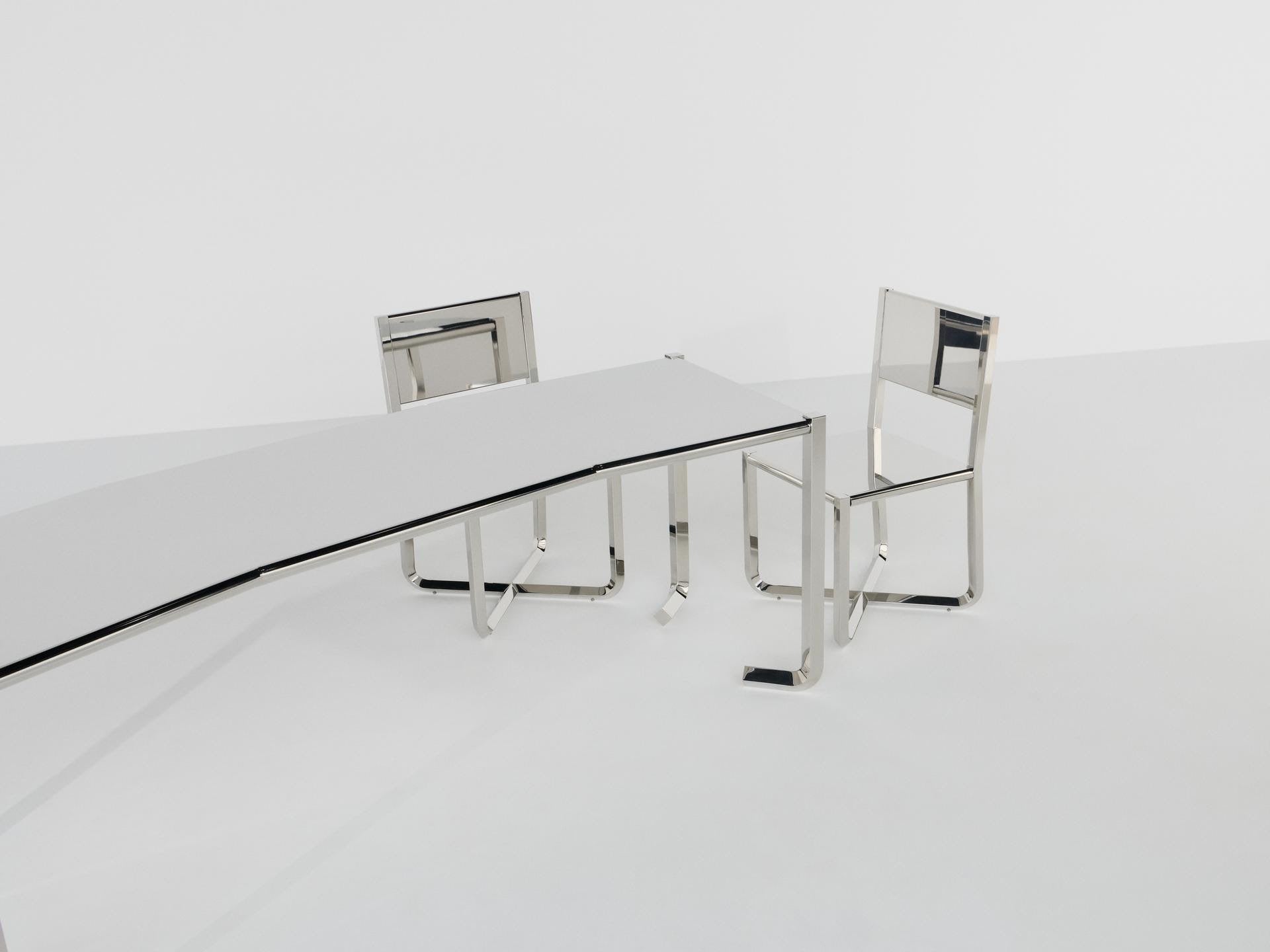
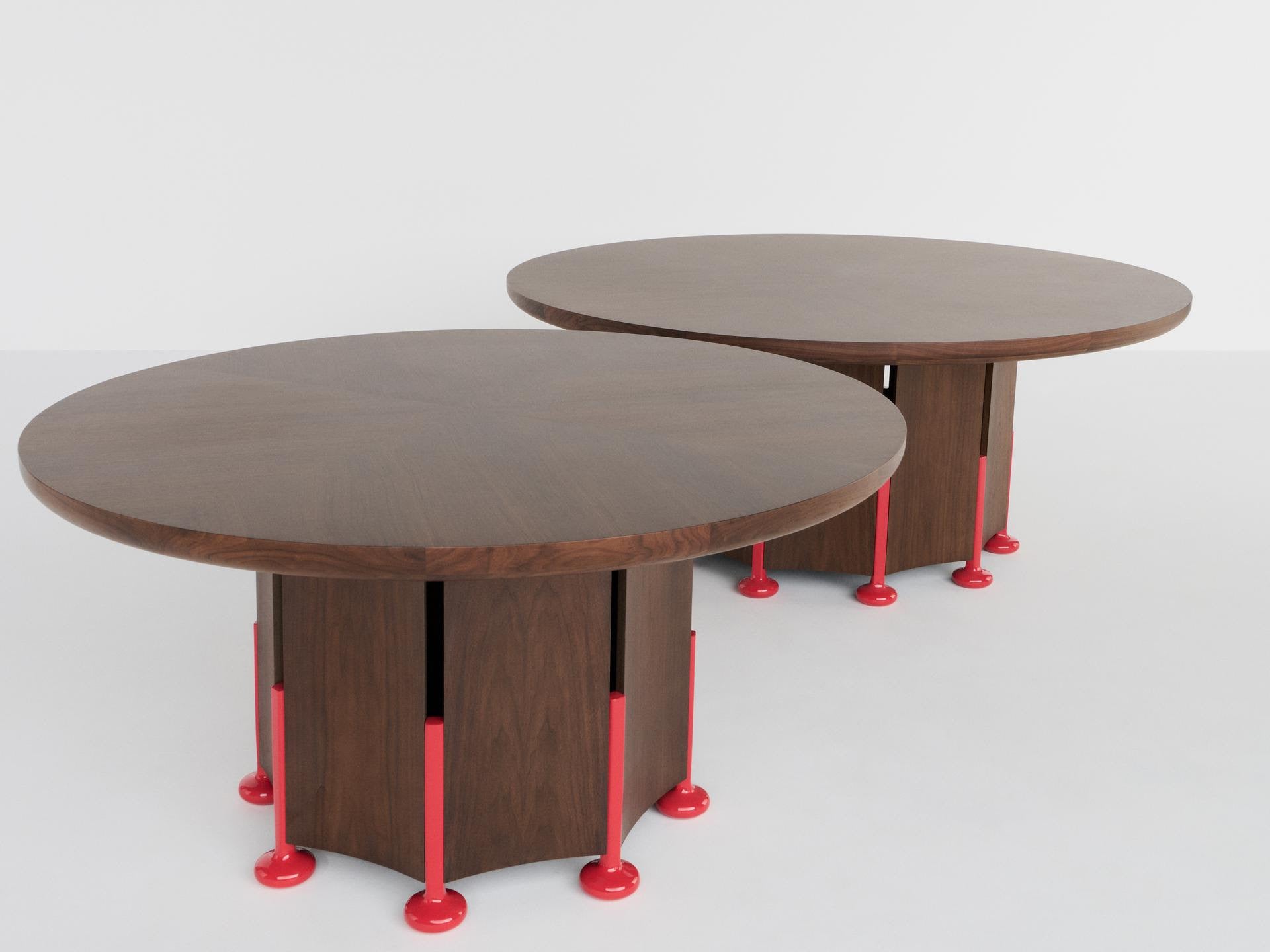
The Purkersdorf chair, for example, uses oak and wool and takes its name from Josef Hoffmann’s Purkersdorf Sanatorium. The Uncollected sofa turns upholstered seating into a low landscape. Stainless-steel lamps pair wavy stems with simple geometric shades. The Amalita desk and Cygni coffee table appear to sag on supports that do not behave as furniture legs normally should.
Then the collection zooms out. Printed tableware, sculptural candleholders, trays, placemats and scents bring the same world-building impulse to smaller objects. A short film directed by Guadagnino, written by Scott Z. Burns and starring Jamie Bell, Patricia Arquette, Michael Stuhlbarg and Chase Sui Wonders extends the collection back into cinema.
The launch was accompanied by a public installation at La Pelota in Milan on September 26 and 27 during Milan Fashion Week.
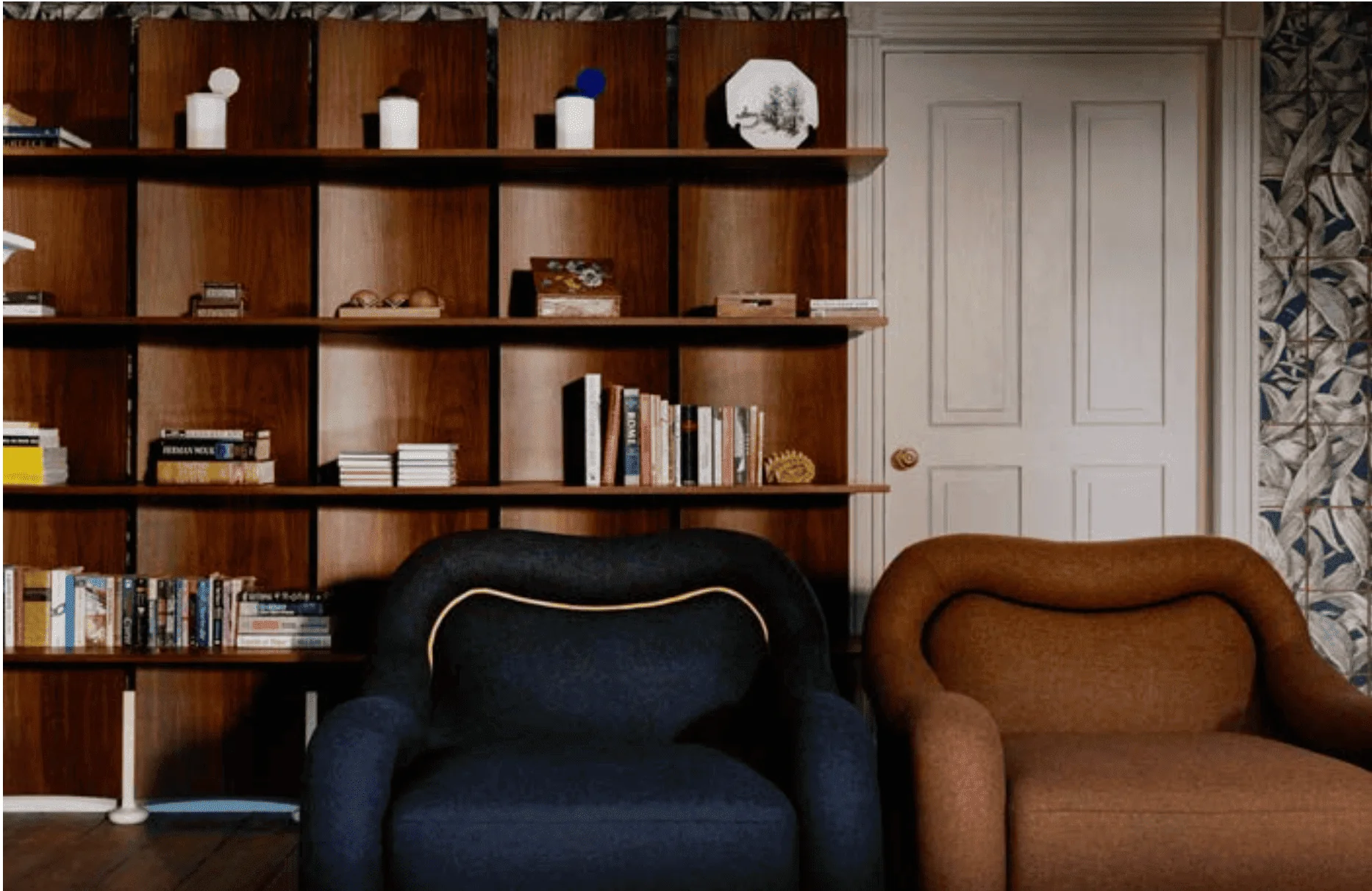
The real design idea is controlled collision
Historic references often become costume when they are copied too faithfully. This collection avoids that problem by refusing to stay in one period.
Viennese geometry gives the furniture discipline. Art Deco adds polished surfaces and generous curves. Brazilian modernism contributes warmth and mass. Italian radical design introduces the visual joke: a support droops, a proportion swells, a lamp behaves like a drawing.
That mix creates tension. Without the tension, a brown room filled with wood, wool and brass could become heavy. Without the historical structure, the surreal details could become novelty furniture. Each side keeps the other useful.
This is the same reason layered screen interiors can feel more convincing than style-perfect showrooms. A character’s room needs evidence of different times, tastes and decisions. Baisi has previously described building interiors in layers of time, and this collection uses a similar logic.
For a closer look at how rooms communicate status and character on screen, our analysis of Succession set design shows how material choices carry story without needing explanation.
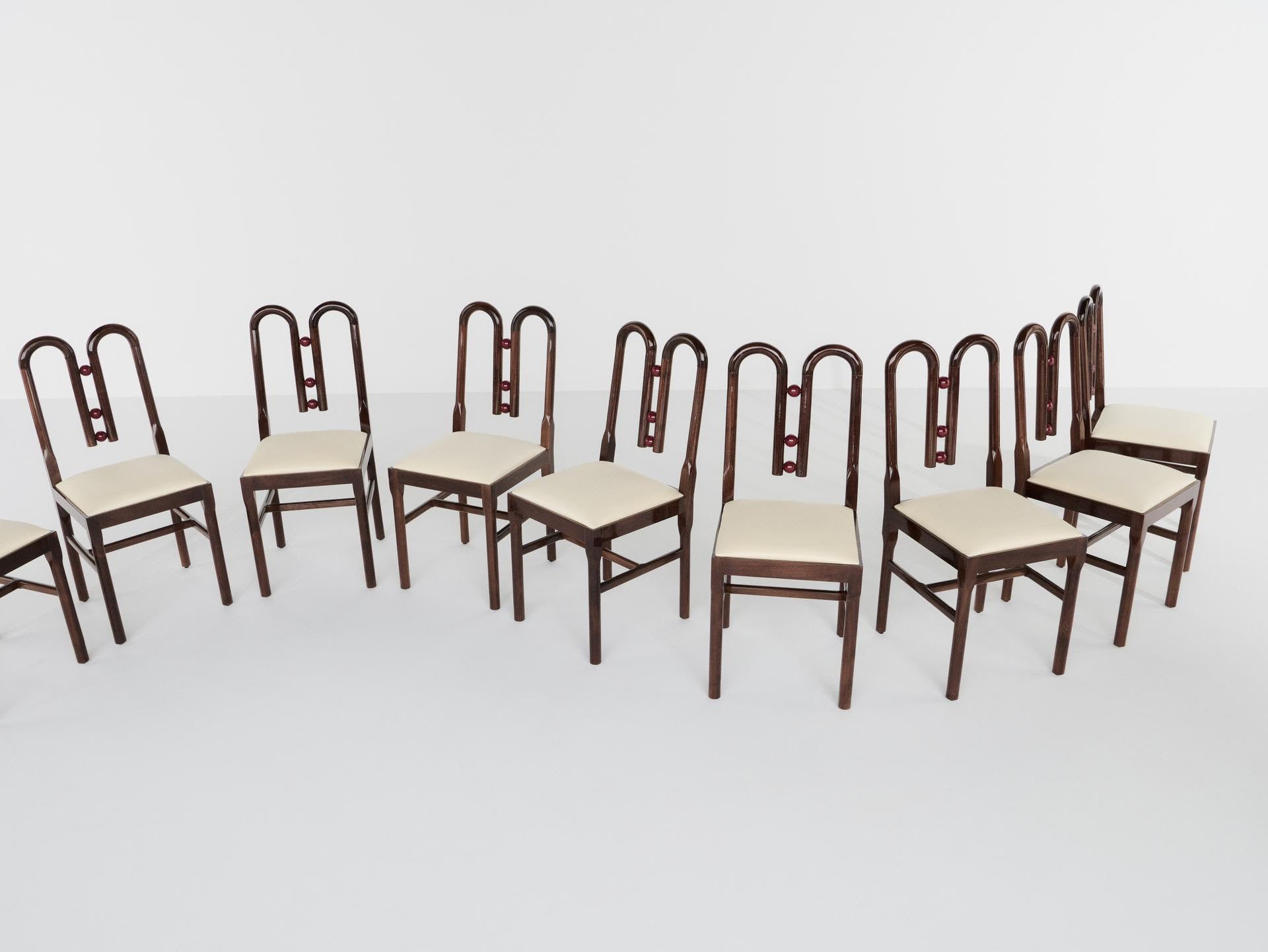
The collection is not as accessible as the Zara Home name suggests
The most important fact about this launch is the price structure.
Zara Home is associated with attainable table linens, glassware and decorative accessories. Baisi Guadagnino stretches that identity into collectible design. Wallpaper’s launch-day UK listings included an Uncollected sofa at £11,600, a Vanidad desk at £7,900 and a Schwellen lounge chair at £4,500. At the other end, a flat plate was listed at £27.99, a placemat at £27.99 and a candle set at £45.99.
Prices differ by market and availability can change, but the hierarchy is clear: small objects provide entry; major furniture provides spectacle.
| Layer | Launch-day example | What you are really buying | Practical verdict |
|---|---|---|---|
| Tabletop | Plate, placemat or candle set | Color, pattern and a fragment of the collection’s world | Most realistic entry point |
| Accessory | Tray, stool or lamp | A stronger silhouette and visible material statement | Worth considering only with a planned location |
| Furniture | Chair, desk or sofa | Scale, construction and collectible identity | Treat as a design purchase, not a Zara impulse buy |
| Atmosphere | Palette, contrast and arrangement | The underlying design logic | Free to interpret with objects you already own |
The last row is the most useful. The collection’s ideas are more democratic than its hero furniture.
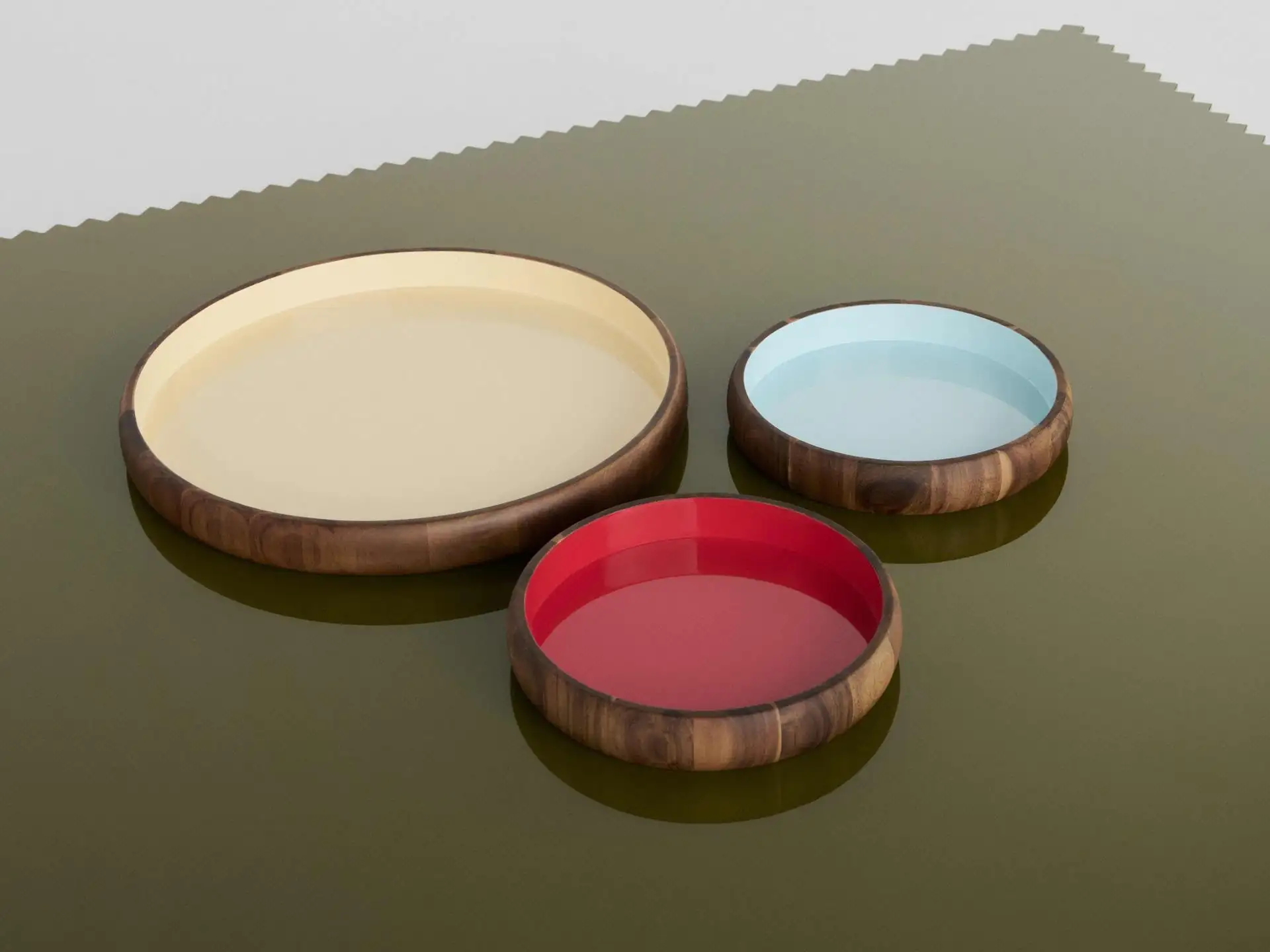
Five ideas worth borrowing for a real room
1. Let one piece have an unusual silhouette
The collection does not make every object eccentric. It uses familiar furniture as a stable background, then allows one shape to bend the room’s logic.
At home, that could be a wavy lamp, an asymmetrical side table or a chair with an exaggerated back. One unusual silhouette is legible. Five unusual silhouettes compete.
2. Pair warmth with something reflective
Oak, walnut, wool and rich upholstery are repeatedly interrupted by polished metal, glass or mirror. The reflective surface keeps the warm materials from becoming visually dense.
You can use the same move with a vintage wood table and a chrome lamp, or a brown sofa and a smoked-glass side table. The materials do not need to match in period. They need to balance in weight.
3. Repeat a curve at different scales
The collection’s generous curves appear in upholstered profiles, table edges, lamps and smaller decorative pieces. Repetition makes the curve feel intentional without requiring a matching set.
Try one large curve, such as an armchair, and one small echo, such as a rounded tray. Stop there.
4. Use tableware as a low-risk experiment
If a collection’s furniture is financially or physically unrealistic, the table is where its color and graphic language can be tested. A plate, placemat or candleholder enters for a meal and can leave afterward.
That makes tabletop pieces better experiments than a statement chair bought for an empty corner.
5. Build a scene, not a theme
A scene has a purpose: reading, eating, talking, getting dressed. A theme only asks whether objects look related.
Place a lamp where it improves a task. Give a chair a small table that supports a drink or book. Let a tray collect the objects that actually move through the room. Function is what turns an expressive object into part of a home.
Where the collection risks becoming costume
The breadth of references is its strength, but it also creates a trap for shoppers. A complete room assembled from the most theatrical pieces could feel like a set without a story.
The Purkersdorf chair makes its historical reference explicit, and the resemblance to early Josef Hoffmann furniture has already prompted discussion about where homage ends. That debate matters because a named reference carries more than a mood. It carries design history.
For the buyer, the more immediate risk is visual. A scalloped chair, drooping desk, wavy lamp and heavily patterned rug may all be compelling alone. Together, they can leave no neutral space for ordinary life.
The collection needs plain companions. A simple wall, an unremarkable shelf, an old wood floor or a quiet linen curtain gives the expressive piece somewhere to register.
Our guide to choosing wall art around furniture uses a similar hierarchy: decide which element leads, then let the others support it. A room where every object leads has no composition.
What is actually worth buying?
My first look would be at the pieces below the furniture tier: tableware, textiles, candles and one small sculptural object. They carry the collection’s palette and graphic intelligence without requiring the room to become a gallery.
A lamp can be worthwhile if its light output, scale and cable position work in the intended spot. Decorative lighting that fails at lighting is an expensive prop. A stool can be useful if it serves as a seat, table or pedestal rather than occupying space as a miniature sculpture.
The major furniture deserves the same evaluation you would give an independent design purchase. Check dimensions, upholstery, delivery access, care requirements and return terms. Do not use the Zara name as a shortcut for casual pricing.
The Uncollected sofa may be the collection’s clearest statement, but it is not the clearest value. Its purpose is partly to anchor the visual universe around it. In most homes, one of the collection’s smaller objects can carry enough of that universe.
How to get the mood without buying the collection
Start with a four-part material recipe:
- one dark or honey-toned wood
- one tactile textile in wool, velvet or heavy linen
- one reflective material such as chrome, glass or mirror
- one shape that feels slightly off-center, swollen or bent
Keep the color range narrow and let shape do the work. Browns, tobacco, muted red, cream and metal can create depth without a large number of colors.
Then add a temporal mismatch. Put an old-fashioned lamp beside a modern low sofa, or a severe geometric table under a loose textile. The room should not be dateable at a glance.
If you want to push the cinematic idea further, our guide to movie interior inspiration is a useful reminder to borrow composition and atmosphere rather than copying a set object by object.
The goal is not to make your home look like a Guadagnino film. It is to notice how a room can suggest a life through contrast.
The verdict
Baisi Guadagnino for Zara Home is a serious design collection wearing a mass-market address. Its scale, pricing and historical ambition make it closer to collectible furniture than a seasonal decor drop.
That mismatch is what makes it newsworthy. Zara Home is using a broad retail platform to present a fully authored world, while keeping a few small objects within reach. The result is not equally accessible, but it is unusually coherent.
The best purchase may be a plate, candle or textile. The best takeaway costs nothing: combine periods, balance warm and reflective materials, and let one object disturb the room just enough.
You do not need the film set. You need one clear scene.
FAQ
When did the Baisi Guadagnino Zara Home collection launch?
The collection launched globally on September 26, 2026, through Zara Home, Zara and selected stores. A Milan installation ran September 26 and 27 at La Pelota during Milan Fashion Week.
How many pieces are in the collection?
Official launch material says the collection contains more than 200 pieces across furniture, lighting, tableware, textiles, rugs, mirrors, candles, fragrance and clothing.
Is the collection affordable?
It has a wide price range. Launch-day UK coverage listed smaller pieces such as plates and placemats at £27.99, while major furniture reached four and five figures. Pricing and availability vary by market.
Who are Baisi and Guadagnino?
Luca Guadagnino is a filmmaker and designer. Stefano Baisi is an architect and production designer who has worked with Guadagnino across interiors and films. The Zara Home project is their first commercial collection of this breadth.




 Blankets and Throws
 Home Accessories
 Furniture
 Rugs
 Cushions

 Kitchen
 Cutlery and Dinnerware
 Drinkware
 Table Mats and Coasters
 Dining Accessories
 Tablecloths and Napkins

 Decorative Items
 Vases and Planters
 Wall Decor

 Bathroom Accessories
 Bathroom Storage
 Bath and Shower Mats
 Towels