FREE WORLDWIDE TRACKED SHIPPING
Recognising Problems Before They Become Emergencies
 By Alex Carter
Recognise the early signs of plumbing emergencies and learn how prompt action can reduce damage, stress and repair costs at home.
Smart Ways to Prevent Plumbing Emergencies
A peaceful and well-functioning home depends on systems that most people rarely think about — until something goes wrong. Plumbing is one of those essential systems quietly supporting everyday comfort through kitchens, bathrooms, heating, and water supply.
Unfortunately, plumbing emergencies often happen without warning. Burst pipes, blocked drains, leaking fixtures, and overflowing toilets can quickly disrupt daily life and lead to expensive repairs if not addressed early.
The good news is that many plumbing emergencies are preventable with simple maintenance habits and early attention to warning signs.
Recognising Problems Before They Become Emergencies
Most major plumbing issues begin as small, manageable problems. Slow drainage, unusual noises, minor leaks, or reduced water pressure are often early indicators that something within the system needs attention.
Homeowners dealing with urgent repairs frequently rely on services such as ALK Emergency Plumbers, who highlight that blocked pipes, frozen plumbing, leaks, and drainage problems are among the most common household emergencies.
Paying attention to subtle changes in plumbing performance can help homeowners act before serious damage develops.
Common early warning signs include:
- Slow-draining sinks or showers
- Gurgling sounds in pipes
- Damp patches on walls or ceilings
- Persistent unpleasant smells
- Unexpected increases in water bills
- Fluctuating water pressure
- Water stains around fixtures
Addressing these issues early is often far less costly than dealing with full emergency repairs later.
Avoid Blocking Your Drains
One of the most common causes of plumbing emergencies is blocked drainage systems. Everyday materials such as grease, hair, food waste, wipes, and soap residue gradually build up inside pipes over time.
To reduce the risk of blockages:
- Avoid pouring cooking oil or grease down sinks
- Use drain strainers in kitchens and bathrooms
- Dispose of wipes and hygiene products properly
- Flush drains periodically with hot water
- Clean plugholes regularly
Small preventative habits can significantly reduce pressure on the drainage system and improve long-term performance.
Protect Pipes During Cold Weather
Cold weather creates additional stress on household plumbing systems. When water freezes inside pipes, it expands and may eventually cause pipes to crack or burst.
Protecting exposed pipework during winter can help prevent sudden emergencies.
Helpful preventative measures include:
- Insulating exposed pipes
- Keeping indoor temperatures stable
- Sealing draughts near pipework
- Allowing slight water flow during freezing conditions
- Disconnecting unused outdoor hoses
Even a small burst pipe can release large amounts of water quickly, causing serious interior damage.
Monitor Bathrooms and Kitchens Carefully
Bathrooms and kitchens experience constant moisture exposure, making them high-risk areas for hidden plumbing problems.
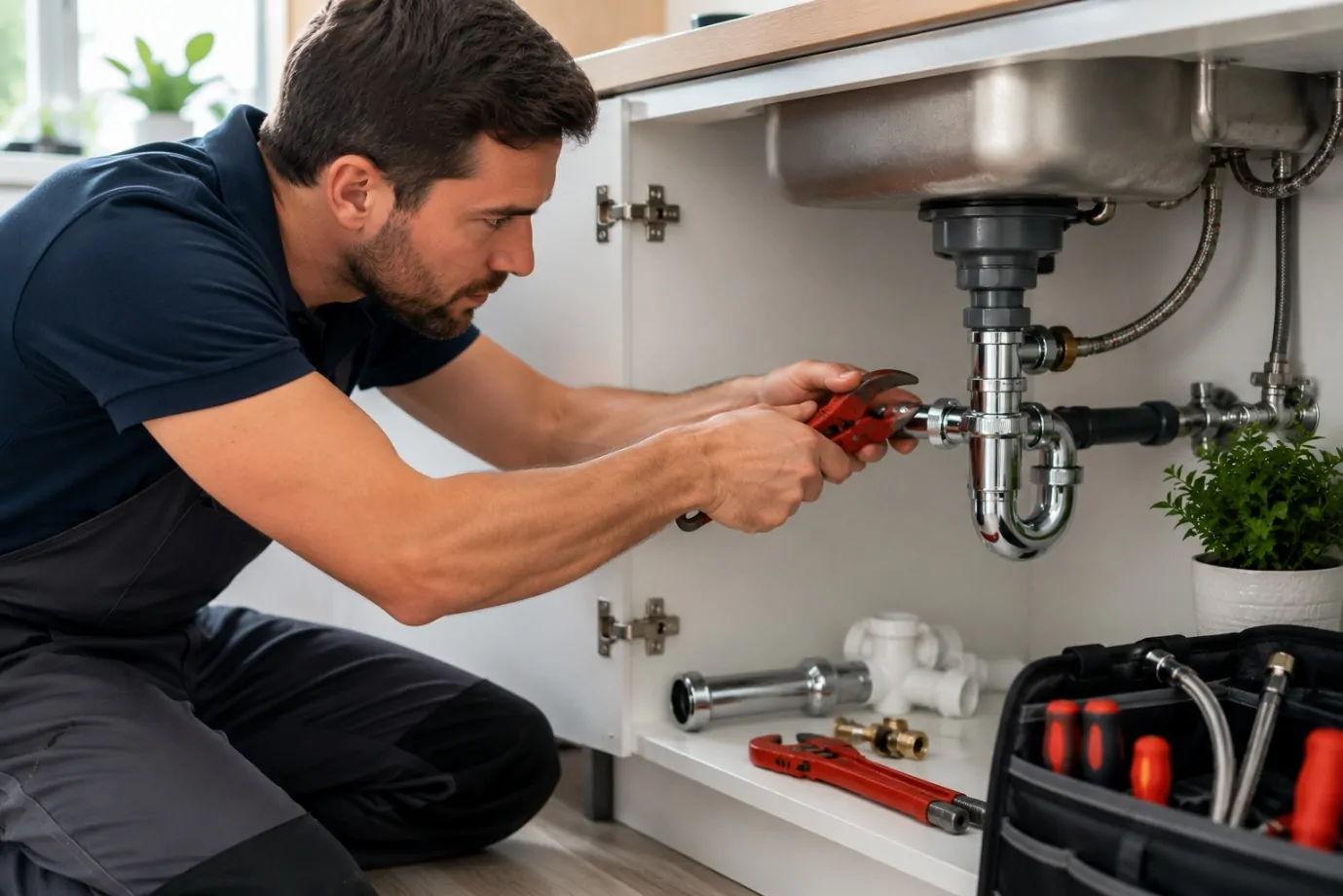
Small leaks beneath sinks, around appliances, or behind toilets may go unnoticed for long periods before causing visible damage.
Regularly checking these areas helps identify:
- Loose fittings
- Worn sealants
- Dripping connections
- Corrosion
- Moisture buildup
Early detection can prevent mold growth, warped flooring, and costly structural repairs.
Know Where Your Main Water Shut-Off Valve Is
One of the simplest but most important preventative steps is knowing how to shut off your home’s water supply during an emergency.
If a major leak or burst pipe occurs, turning off the main water valve quickly can significantly reduce damage before professional help arrives.
Every homeowner should know:
- Where the main shut-off valve is located
- How to operate it
- How to isolate individual fixtures if needed
This small piece of knowledge can make a major difference during urgent situations.
Schedule Preventative Plumbing Inspections
Routine inspections help identify hidden problems before they become severe. Professional plumbers can assess pipe conditions, drainage performance, water pressure, and vulnerable fittings throughout the property.
Preventative inspections are especially valuable for:
- Older homes
- Properties with recurring plumbing issues
- Homes undergoing renovations
- Properties with ageing pipe systems
Regular maintenance often extends the lifespan of plumbing systems while reducing long-term repair costs. Renovation work is also a useful time to check concealed openings; our pest-proofing during renovation guide covers what to seal before walls close.
Be Cautious With Chemical Drain Cleaners
Strong chemical cleaners may appear to offer a quick solution for blocked drains, but repeated use can damage pipework over time, especially in older systems.
Safer long-term approaches include:
- Mechanical drain cleaning
- Preventative maintenance
- Professional blockage removal
- Regular pipe inspections
Treating the underlying cause of recurring blockages is usually more effective than temporary chemical fixes.
Creating a More Reliable Home Environment
Modern living is built around convenience and comfort. Plumbing systems support nearly every part of daily life, from cooking and cleaning to bathing and heating.
Preventative care helps maintain a home that feels calm, functional, and dependable while reducing the stress and disruption caused by sudden emergencies.
Simple maintenance routines completed consistently often provide the greatest long-term protection.
Final Thoughts
Plumbing emergencies rarely happen completely without warning. In many cases, homes provide small signs that something within the system needs attention long before major failures occur.
By recognising early warning signals, maintaining drains properly, protecting pipes, and scheduling preventative inspections, homeowners can greatly reduce the risk of costly plumbing disruptions.
A well-maintained plumbing system quietly supports the comfort and functionality of a home every single day — making preventative care one of the smartest investments homeowners can make.











 Blankets and Throws
 Home Accessories
 Furniture
 Rugs
Rugs Cushions
 Kitchen
 Cutlery and Dinnerware
 Drinkware
 Table Mats and Coasters
 Dining Accessories
 Tablecloths and Napkins
 Decorative Items
 Vases and Planters
 Wall Decor
 Bathroom Accessories
 Bathroom Storage
 Bath and Shower Mats
 Towels