FREE WORLDWIDE TRACKED SHIPPING
Ripple Glassware Makes an Everyday Table Look Better — But Not Every Version Works
 By Alex Carter
Ripple glassware adds pattern and light to an everyday table, but only if the rim, weight, texture and care suit daily use. Use this guide to choose well.
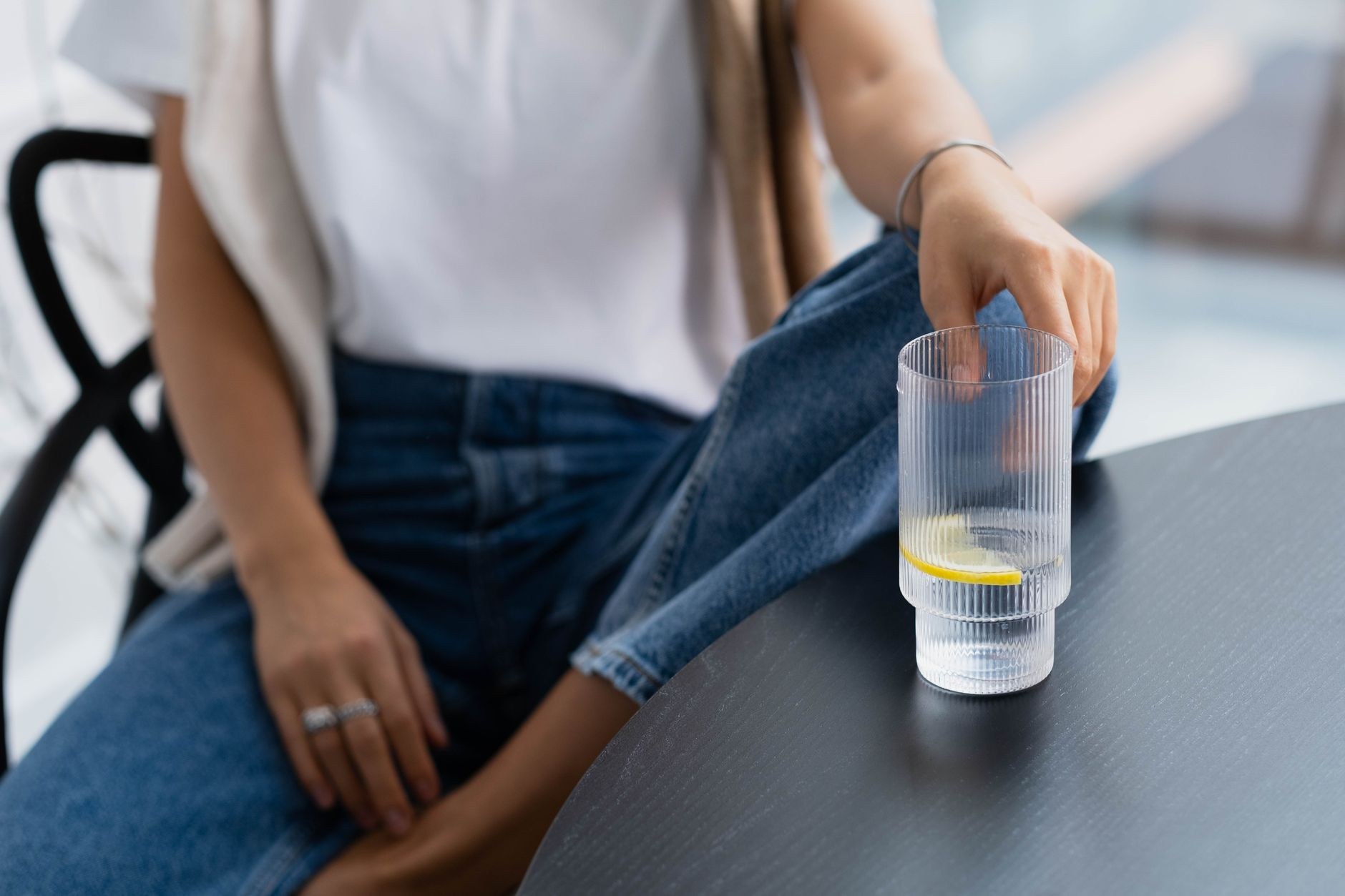
Ripple glassware can make water look like part of the table setting. The raised or recessed lines catch light, distort color, and give a clear tumbler enough presence to replace a patterned accessory.
For a broader look at how movement, reflection, and crafted surfaces are shaping interiors now, see our edit of five ideas from Maison&Objet’s “Pulse in Motion”.
That is why the style works—and why bad versions become tiring so quickly. Texture magnifies every design decision. A thick rim feels thicker, a visible mold seam looks more obvious, and a heavy base turns an everyday glass into something you avoid reaching for.
The best ripple glass is quiet in the hand and expressive on the table. If those priorities are reversed, it is decoration pretending to be drinkware.
Patterned glass is older than the trend cycle
Ribbed, molded, cut, and pressed glass have long been used to make ordinary objects catch light. The modern ripple tumbler may appear in a trend edit, but its visual logic is not new.
Mechanical pressing helped make decorative household glass more widely accessible in the 19th century. Cooper Hewitt’s comparison of cut and pressed glass explains how a patterned surface that once required laborious cutting could also be formed through a mold. The Corning Museum of Glass documents how production accelerated from early presses to machines making hundreds of objects.
Not every contemporary ripple glass is pressed, and not every pressed glass is ripple glass. Some pieces are mold-blown, some mouth-blown, some cut, and some machine-formed. The useful lesson is simpler: surface pattern has always been both ornament and manufacturing decision. Look at the whole object, not the romance of a single label.
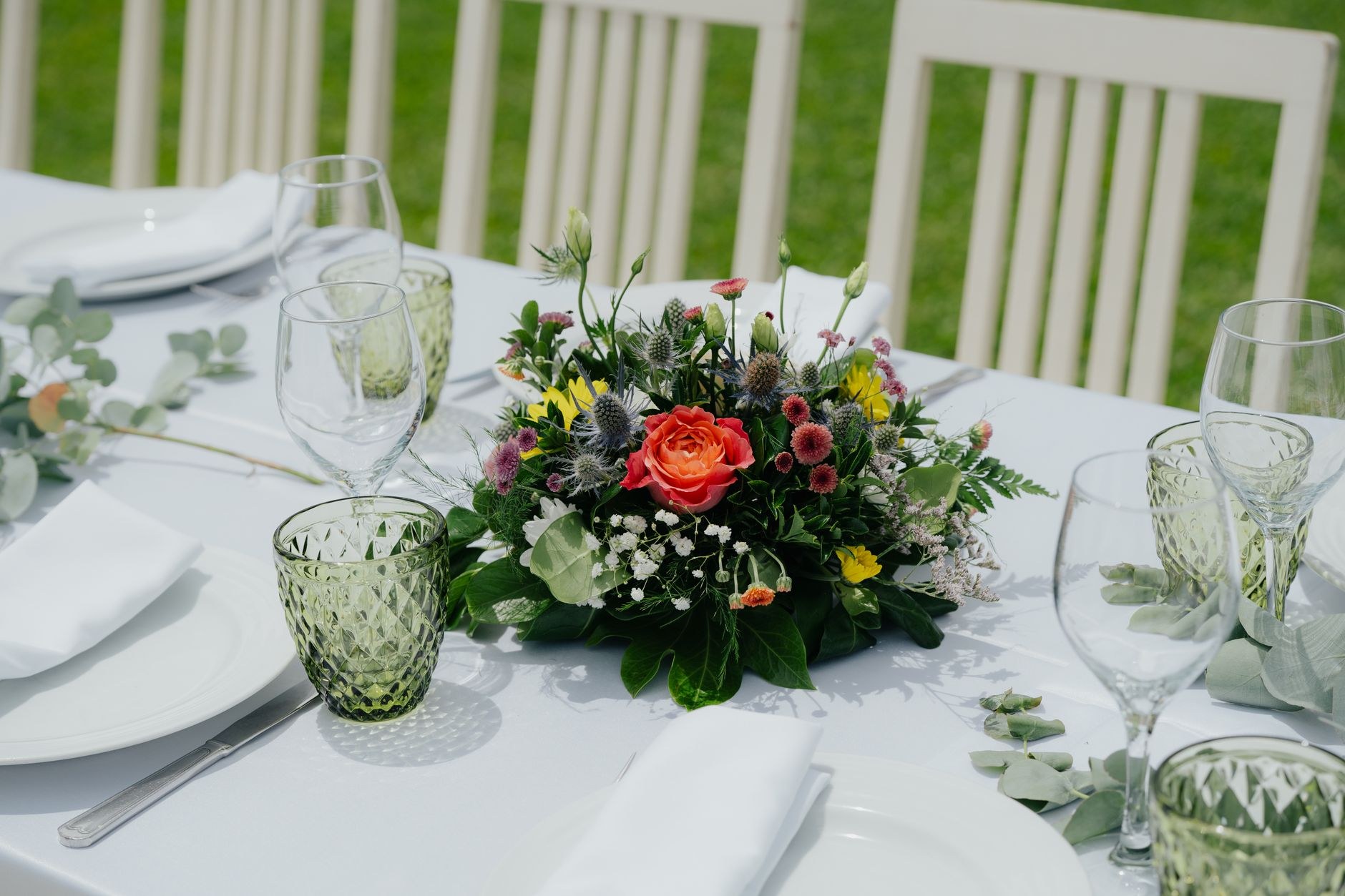
Judge the drinking edge before the pattern
Online photographs encourage you to begin with color and silhouette. In person, begin with the rim.
| Detail | What it does visually | Functional question | Kooihaus verdict |
|---|---|---|---|
| Thin, smooth rim | Keeps the texture looking refined | Does it feel even all the way around? | Best all-purpose choice |
| Thick rolled rim | Makes the glass look casual and sturdy | Does it interrupt the sip? | Fine for water; test before buying a set |
| Exterior-only ribbing | Bends light without disturbing the interior | Is it comfortable to grip and easy to clean? | Safest ripple construction |
| Interior texture | Creates stronger distortion | Will pulp, milk, or lipstick collect in grooves? | Better for occasional use |
| Heavy foot or base | Adds visual weight and stability | Is it tiring when full? | Good for a short tumbler, excessive in a large glass |
| Stackable taper | Saves cabinet space | Do the ribs or rims touch under pressure? | Buy only when stacking is explicitly designed |
| Visible mold seam | Reveals production method | Is it smooth, aligned, and unobtrusive? | Acceptable when clean; skip sharp or crooked seams |
Run a finger around the rim and drink plain water from the sample if possible. The pattern should disappear from your attention once the glass reaches your mouth.
Glass shape, rim diameter, size, and fullness can all influence how people pour and drink; a review of glassware-design research shows why the vessel cannot be reduced to surface decoration alone. You do not need a laboratory to evaluate a tumbler, but you do need to treat it as a tool.
Exterior texture is usually the better everyday choice
Ripple lines on the outside create grip and refraction while leaving a smoother interior for washing. Vertical ribs visually lengthen a short tumbler; broad waves create a softer, more optical effect; tight fluting produces sharper highlights and feels more tailored.
The ridges should be deep enough to register but not so sharp that the glass feels uncomfortable when held firmly. Rotate it in your hand. If your fingers naturally settle into the texture, the pattern is doing practical work. If the peaks press into the fingertips, imagine carrying the glass when it is full and cold.
Interior ribbing can be beautiful, especially when colored liquid exaggerates the distortion. It is harder to live with. Smoothies, citrus pulp, milk foam, and lipstick can demand more careful brushing. Unless the maker’s care instructions are unusually clear, reserve an internally textured glass for water or occasional drinks rather than the family default.
Proportion decides whether it looks elegant or bulky
Ripple glass already has visual density. It rarely needs an oversized wall, thick base, exaggerated handle, and saturated color at the same time.
For a water tumbler, look for a comfortable diameter that can be grasped without stretching the hand. For iced coffee, check that the capacity leaves room for ice without making the full glass too heavy. For a mug, hold the handle with the glass empty and imagine the additional weight; a tiny decorative loop on a heavy ribbed body is a warning.
Compare stated capacity with cabinet height and dishwasher rack clearance. A fashionable tall tumbler is not useful if it must lie sideways in the cupboard. Measure the shelf before buying six.
Stackability deserves skepticism. Ribs can touch, bind, or concentrate pressure between nested glasses. Stack only when the manufacturer designed and tested the form for it, and never force a stuck pair apart by twisting hard.
Clear glass has the longest life
Clear ripple glassware lets shadow and refraction provide the pattern. It works with almost any dinnerware and is the least likely to make the table feel locked to one season.
Smoke or gray adds depth to pale ceramics and wood. It is a strong choice for a restrained evening table, though dark glass can make it harder to see the drink’s color or cleanliness.
Amber warms white, cream, and olive palettes. Use it when the room already contains warm wood or brass; beside orange-toned timber and beige linen, it can become overly sepia.
Green feels fresh with clear glass, white ceramics, and natural foliage. Choose one green family rather than mixing yellow-green, bottle green, and blue-green without a plan.
Mixed colors can work when shape and rib pattern remain consistent. Limit the palette to two or three related tones. The glassware should look collected, not as if several incomplete sets were combined after breakage.
Four table formulas that do not overstyle the texture
1. Clear ripple + patterned plate + plain textile
Let the glass catch light while the dinnerware carries color. Use a solid napkin and simple cutlery. This is the safest formula for making ripple glassware look permanent rather than trendy.
Our guide to contemporary dinnerware patterns offers a useful rule here: decide which object owns the motif. A ribbed glass counts as pattern even when it is transparent.
2. Smoke ripple + matte neutral ceramics
Pair gray or smoke tumblers with off-white, charcoal, or sand-colored plates. Add one warm material—wood board, linen napkin, or brass candlestick—so the table does not become cold and monochrome.
3. Amber ripple + white table + green branch
Amber glass supplies the warmth; keep the cloth and dishes light. One branch or a few herbs provide contrast without introducing another colored object at every place.
4. Clear and color within one silhouette
Use clear glasses for water and one colored version of the same form for a second drink, or alternate clear and color around the table. Repeating the silhouette keeps the arrangement coherent.
Do not add ribbed plates, fluted vases, pleated shades, and striped linens simply because they share linear texture. Repetition needs hierarchy. Two echoes feel intentional; five become a theme.
Look for the signs of a glass you will keep using
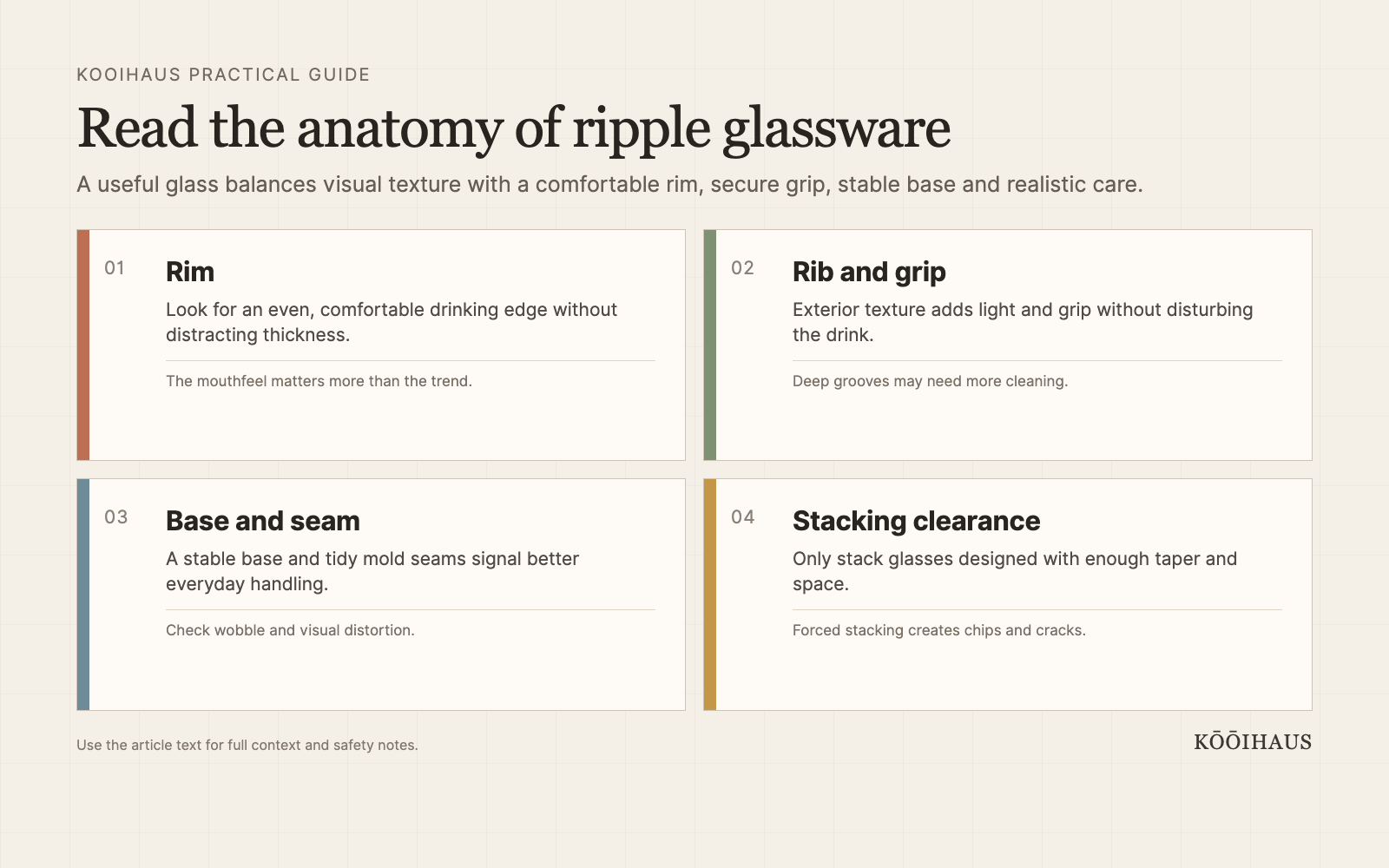
A beautiful product page cannot answer every question. Before committing to a set, inspect:
- Rim consistency: no waves, chips, sharp points, or obvious thick spots.
- Base stability: the glass sits flat without rocking.
- Seam finish: any mold line is smooth and aligned.
- Weight when full: add the drink capacity mentally, not just the empty-glass weight.
- Hand clearance: the widest point fits your grip and the narrowest does not feel pinched.
- Cabinet and dishwasher fit: height, diameter, and nesting are compatible with real storage.
- Replacement availability: a daily set is easier to own when single glasses can be replaced.
Small variations are expected in genuinely hand-finished or mouth-blown work. “Handmade” does not excuse a rough drinking edge or unstable base. Character should be visible, not hazardous.
Care for the grooves without making glassware precious
Follow the maker’s care instructions first. “Dishwasher safe” is a material and construction claim, not something the visual style can tell you.
Load glasses so they do not touch each other and so spray can reach the textured surface. A dedicated glass or delicate cycle around 40°C is recommended for delicate pieces in Bosch’s dishwasher guidance. Let hot glass cool before adding ice or very cold liquid; rapid temperature change can create thermal shock.
For hand washing, use warm water, mild detergent, and a soft brush that can reach the grooves. Hold stemware by the bowl while washing the inside and support it carefully rather than torquing the stem. Remove chipped or cracked glass from use.
Cloudiness can come from removable deposits or permanent etching. Start with the manufacturer’s cleaning advice and your dishwasher’s water-hardness settings; do not attack a textured surface with harsh abrasives simply because the grooves make residue visible.
The Kooihaus verdict
Worth it: a clear or lightly tinted tumbler with exterior ribbing, a smooth medium-thin rim, moderate base, and dimensions that fit your hand, shelf, and dishwasher.
Worth the splurge: mouth-blown ripple glass when the silhouette is genuinely distinctive and replacement pieces are available. Buy for form and craft, not for the phrase “handmade” alone.
Skip it: the thick, top-heavy, internally grooved glass that photographs beautifully but complicates every sip and wash.
Ripple glassware has staying power because it solves a real visual problem: it gives a simple table depth without adding print. Choose the glass as carefully as the pattern, and the ripple becomes a quiet daily pleasure rather than last year’s cupboard ornament.
Frequently asked questions
Is ripple glassware just a trend?
The current styling cycle may pass, but patterned, ribbed, molded, and pressed glass have a long design history. Clear glass with restrained exterior texture is the least trend-dependent version.
Can ripple glasses go in the dishwasher?
Only when the manufacturer marks them dishwasher safe. Use stable spacing and an appropriate glass/delicate cycle for delicate pieces; hand washing may be required for hand-finished, decorated, or sensitive glass.
Can you mix ripple glassware with patterned plates?
Yes. Keep the glass clear or lightly tinted, and use plain textiles so one object clearly leads the pattern story.
What drinks work best in ripple tumblers?
Water, iced tea, and clear or lightly colored drinks show the optical texture well. If grooves are on the interior, thick smoothies and pulpy drinks may require more careful cleaning.
Is stackable ripple glassware safe?
It can be when explicitly designed for stacking. Do not assume tapered glasses are nestable; raised ribs and rims may bind or press against each other.












 Blankets and Throws
 Home Accessories
 Furniture
 Rugs
Rugs Cushions
 Kitchen
 Cutlery and Dinnerware
 Drinkware
 Table Mats and Coasters
 Dining Accessories
 Tablecloths and Napkins
 Decorative Items
 Vases and Planters
 Wall Decor
 Bathroom Accessories
 Bathroom Storage
 Bath and Shower Mats
 Towels