FREE WORLDWIDE TRACKED SHIPPING
The Growing Demand for Smart Cooling Systems
 By Alex Carter
See why smart cooling systems are becoming essential for modern homes, with comfort, efficiency and flexible control driving demand.
Smart Home Cooling Trends for Every Property
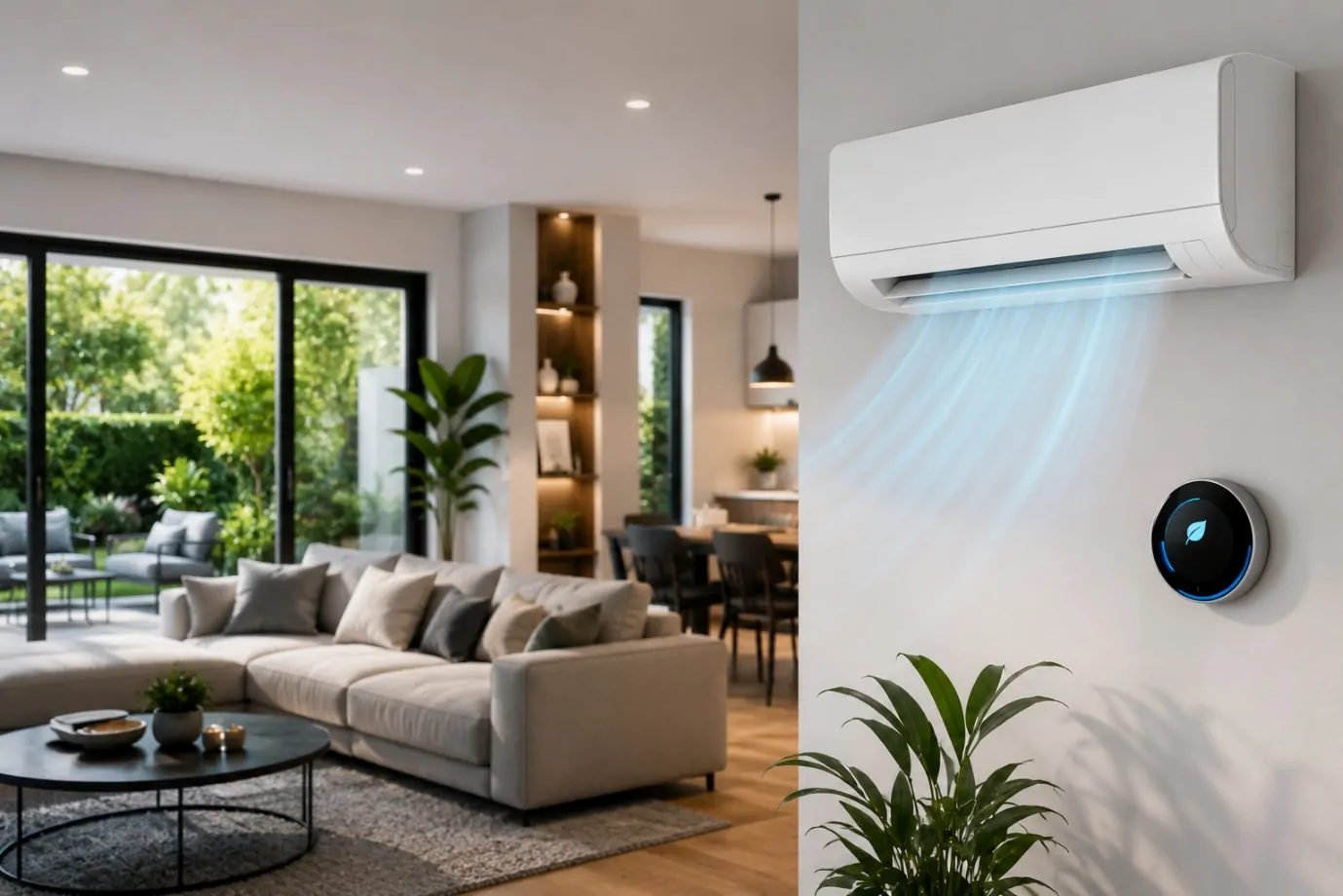
Modern homes are becoming increasingly focused on comfort, energy efficiency, and smart technology. As temperatures continue to rise during warmer months, homeowners are paying more attention to how cooling systems can improve daily living. Today’s cooling solutions are no longer limited to basic air conditioning units — they are now integrated into wider smart home systems that provide greater control, efficiency, and convenience.
Many homeowners are now working with professional air conditioning engineers to install modern systems that support healthier, more comfortable living environments.
The Growing Demand for Smart Cooling Systems
Home cooling has evolved significantly in recent years. Traditional systems focused purely on lowering indoor temperatures, while modern smart cooling systems are designed to improve overall living conditions.
Smart air conditioning systems now allow homeowners to control temperatures remotely through mobile apps, automated schedules, and integrated smart home platforms. This added flexibility helps create more efficient and personalised indoor environments.
The increasing popularity of remote working has also contributed to the demand for reliable cooling systems, particularly in home offices and garden rooms where maintaining comfortable temperatures is essential.
Energy Efficiency Is a Major Priority
One of the biggest trends in modern cooling technology is improved energy efficiency. Homeowners are becoming more conscious of rising energy costs and environmental impact, encouraging greater interest in systems that reduce electricity consumption while maintaining comfort.
Modern air conditioning units use advanced inverter technology, allowing systems to adjust output based on room conditions rather than constantly running at full power. This helps lower energy usage and improves long-term efficiency.
Many newer systems also include smart sensors that automatically adjust cooling based on occupancy, sunlight levels, and room temperature.
Zoned Cooling for Better Comfort
Another growing trend is zoned cooling. Instead of cooling an entire property evenly, homeowners can now control temperatures in individual rooms or specific areas.
This approach improves comfort while reducing unnecessary energy use in unoccupied spaces. Zoned cooling is especially useful in larger homes where different rooms may require different temperature settings throughout the day.
By giving homeowners greater control over indoor climates, these systems help create more adaptable and efficient living spaces.
Improved Indoor Air Quality
Modern cooling systems are increasingly designed with health and wellbeing in mind. Many units now include advanced air filtration systems that help remove allergens, dust, bacteria, and pollutants from the air.
This is particularly beneficial for households with allergy sufferers or respiratory concerns. Cleaner indoor air can improve comfort, sleep quality, and overall wellbeing throughout the home.
Humidity control is another important feature, helping to reduce dampness and create healthier indoor conditions.
Smart Integration with Modern Homes
As smart home technology becomes more common, cooling systems are being integrated into wider automated home environments. Homeowners can now connect cooling systems with lighting, heating, and security systems for improved convenience and efficiency.
Voice control, automated scheduling, and remote access are becoming standard features in many modern installations. These systems provide greater flexibility while helping households manage energy usage more effectively.
Stylish and Space-Saving Designs
Modern cooling systems are also becoming more visually discreet. Manufacturers now focus on sleek, compact designs that blend more naturally into contemporary interiors.
Wall-mounted systems, concealed ducted units, and multi-split systems offer homeowners flexible solutions that complement modern architectural design without dominating interior spaces.
This makes cooling systems more appealing in both traditional and modern homes.
The Importance of Professional Installation
Even the most advanced cooling systems rely on proper installation to perform effectively. Professional installation ensures that systems are correctly sized, positioned, and configured for the specific property.
Experienced air conditioning engineers can recommend the most suitable system for each home while ensuring compliance with safety and efficiency standards. Proper installation also helps extend the lifespan of the equipment and reduce future maintenance issues. However, if an existing system develops problems, timely HVAC repair can help restore efficient cooling and prevent minor issues from becoming more expensive problems.
Conclusion
Smart home cooling trends are transforming the way homeowners manage indoor comfort. From energy-efficient technology and zoned cooling to healthier air quality and smart integration, modern systems offer far more than simple temperature control.
With support from skilled air conditioning engineers, homeowners can create comfortable, efficient, and future-ready living spaces that adapt perfectly to modern lifestyles.








 Blankets and Throws
 Home Accessories
 Furniture
 Rugs
Rugs Cushions
 Kitchen
 Cutlery and Dinnerware
 Drinkware
 Table Mats and Coasters
 Dining Accessories
 Tablecloths and Napkins
 Decorative Items
 Vases and Planters
 Wall Decor
 Bathroom Accessories
 Bathroom Storage
 Bath and Shower Mats
 Towels