FREE WORLDWIDE TRACKED SHIPPING
H&M Home x Kelly Wearstler: What Is Actually Worth Buying?
 By Alex Carter
The H&M Home x Kelly Wearstler collection offers a lower entry to the designer's style, but not every modular piece is a small-space or budget win.
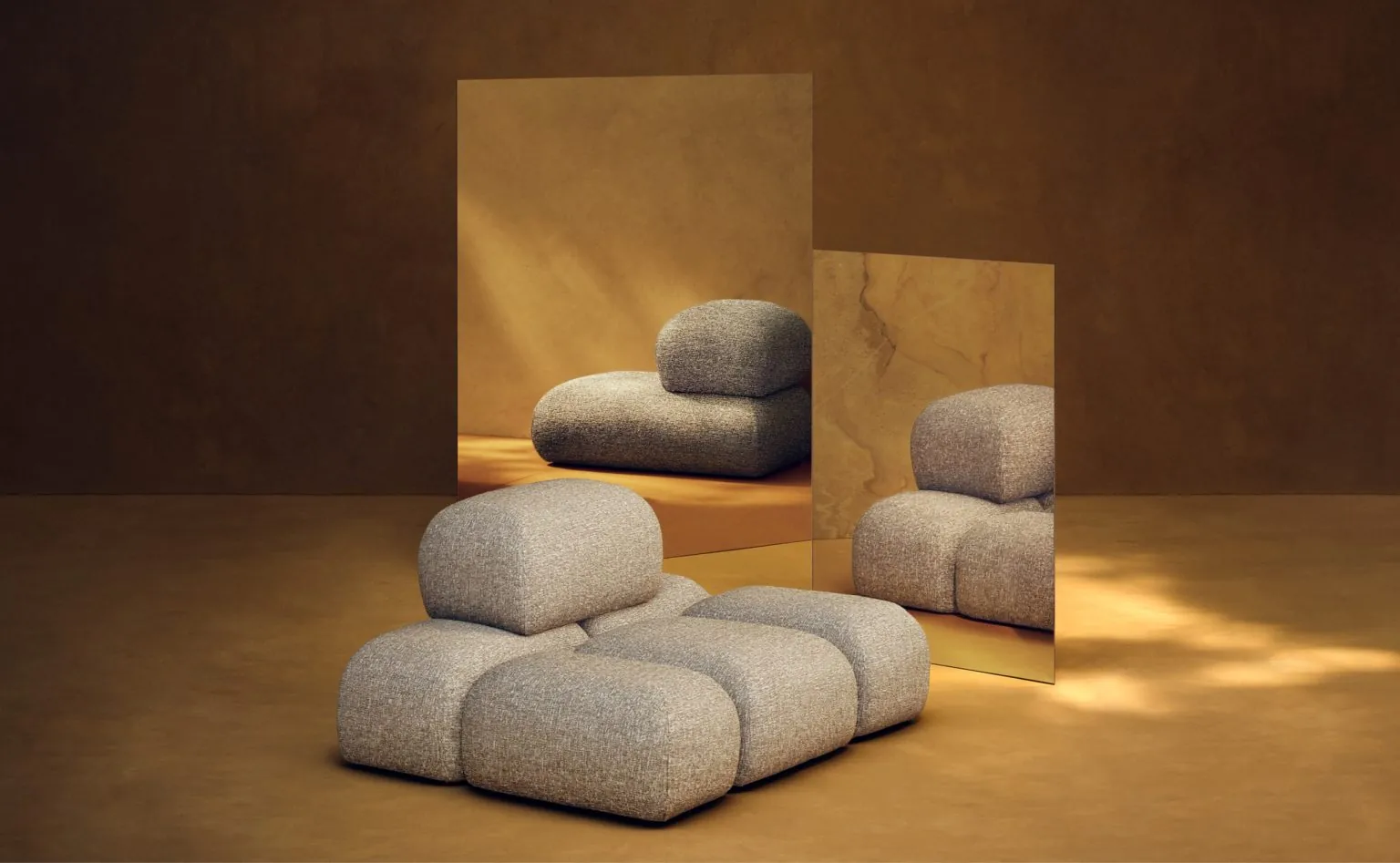
Official H&M Home x Kelly Wearstler collaboration preview. Image: H&M Hennes & Mauritz AB; used for editorial coverage.
The H&M Home Kelly Wearstler collection arrived with a £19.99 entry point, £299.99 furniture, and an unusually fast lesson in scarcity. By September 20, the official UK page already marked several of the objects that defined the campaign as out of stock.
That makes the usual designer-collaboration question more useful than the hype: is anything still worth buying? Our answer is yes, but only when one piece does a complete job by itself. The collection’s promise of modularity becomes expensive and space-hungry when the effect depends on buying multiples.
Prices and stock below were checked on H&M’s UK site on September 20, 2026. They can change by market and without notice. We have not tested these products in person.
What is the H&M Home x Kelly Wearstler collection?
The collaboration is a 29-piece interior collection spanning furniture, lighting, vessels, tabletop objects, and small accessories. H&M describes timber, metal, marble, ceramics, and textiles as its core material palette. An eight-piece fashion capsule accompanies the home range.
The project first appeared as an installation at Milan Design Week in April. According to the H&M Group announcement, it was H&M Home’s first furniture collaboration with a creative and Kelly Wearstler’s Milan debut. The complete retail collection launched on September 3.
The visual idea is easier to understand than the campaign language. Strong outlines, glossy surfaces, mixed stone, warm timber, and cage-like metal forms make ordinary functions look more architectural. A lamp is also a silhouette. A clothing rack becomes a freestanding room object. A chair can sit alone or join another module.
That last point matters. Modular furniture sounds automatically flexible, but the useful test is whether the first module earns its floor space before a second one enters the room.
Is it actually affordable?
It is affordable relative to Kelly Wearstler’s mainline designer market, not necessarily relative to H&M Home. The official UK collection page showed the Cova candlestick at £19.99 and a four-pack of Mona hangers at £24.99. Those are accessible ways to buy the collaboration’s name and shape language.
The scale changes quickly. The Cyma vase was £99.99. The smaller Aurex table lamp was £139.99, the Noxen stool £199.99, the Emera table lamp £229.99, the Ortra sofa table £249.99, and the Mona clothing rack £299.99.
Those prices do not make the collection unreasonable, but they do change the standard. At £20, a sculptural candlestick can be a pleasure purchase. At £230, a lamp needs to be the right height, light source, finish, and long-term object for your room. Designer association cannot substitute for fit.
Our worth-it ranking
| Tier | Best use | Why | Main risk |
|---|---|---|---|
| Low-risk entry | Candlesticks, glassware, hangers | One small object carries the collection’s outline language | Buying multiples to recreate campaign styling |
| Consider carefully | Aurex lamps, Cyma vessels | Strong silhouette can anchor a shelf or side table | High price for a decorative role; check scale and bulb details |
| Room decision | Stools, lounge seating, side tables, clothing rack | Can define a whole zone | Footprint, return friction, and the cost of additional modules |
The low-risk tier is where the collaboration makes most sense for a small home. One expressive object can alter the tone of a shelf without forcing the rest of the room to follow. That is the same reason we favored selective objects in our IKEA KONSTRUNDA review: a collection is more useful as an editing tool than as a complete shopping list.
A lamp can also justify itself, but only if you need a lamp. Treat the form as the bonus, not the function as the excuse. Check dimensions, bulb type, energy label, cable placement, and the direction of light before allowing the designer name to settle the decision.
The modularity test
H&M and Wearstler frame the furniture as an evolving architectural system. That is persuasive when a chair works alone and becomes a sofa only when your home or household changes. It is less persuasive when the styled image requires two or three units from day one.
Use this three-part test:
- Would you buy one module if no matching piece were available?
- Does one module solve a seating, lighting, or storage need now?
- Can another module arrive without blocking circulation or removing a useful object?
If the first answer is no, you are not buying modular flexibility. You are buying an incomplete set. If the second is no, the piece is sculpture with a furniture price. If the third is no, the system is not adapted to your room, however flexible it looked in the campaign.
Our IKEA PS 2026 small-space test reaches the same conclusion from a different collection: visual cleverness matters only after the object earns its footprint.
What the stock situation changes
At the time of checking, the official UK page marked the Cyma vase, Mona clothing rack, Noxen stool, Emera lamp, Ortra sofa table, Soln side table, and Cova candlestick as out of stock. That is strong evidence that parts of the launch moved quickly, but it is not proof that every market or every item is sold out.
Scarcity should make the decision stricter, not faster. A missing matching module can weaken the logic of a modular purchase. A sold-out small object may return. A substitute bought under pressure can remain wrong long after the collaboration stops trending.
Use H&M’s live page as the stock authority. Do not rely on an article, including this one, for a checkout decision made later.
Read the returns before buying furniture
The UK collection page says online designer-collection purchases cannot be returned or exchanged in store and must go through the online return channel. It also gives in-store designer purchases a three-day return or exchange window at the store of purchase.
That friction is manageable for a candlestick. It matters more for a chair, lamp, or rack whose scale you have judged from a screen. Measure the intended location, doorway, and circulation route before ordering, then confirm the terms for your own market.
For higher-priced pieces, use the same evidence standard as our furniture investment guide: function, construction, maintenance, and a known place in the room should all survive the initial attraction.
Verdict: worth it for one complete gesture
The H&M Home x Kelly Wearstler collaboration succeeds at making a recognizable design vocabulary available below the usual designer-furniture tier. It does not make every object a bargain, and it does not make modular furniture automatically space-saving.
The best purchase is a piece that works alone: one candlestick, one useful set of hangers, one vessel, or one lamp that fills a real lighting gap. The weakest purchase is a module bought because the campaign promises what a second or third module might eventually do.
If the available item has a measured place, a necessary function, and a return path you accept, the collection can be worth it. If scarcity is doing most of the persuasion, let the sold-out label make the decision for you.
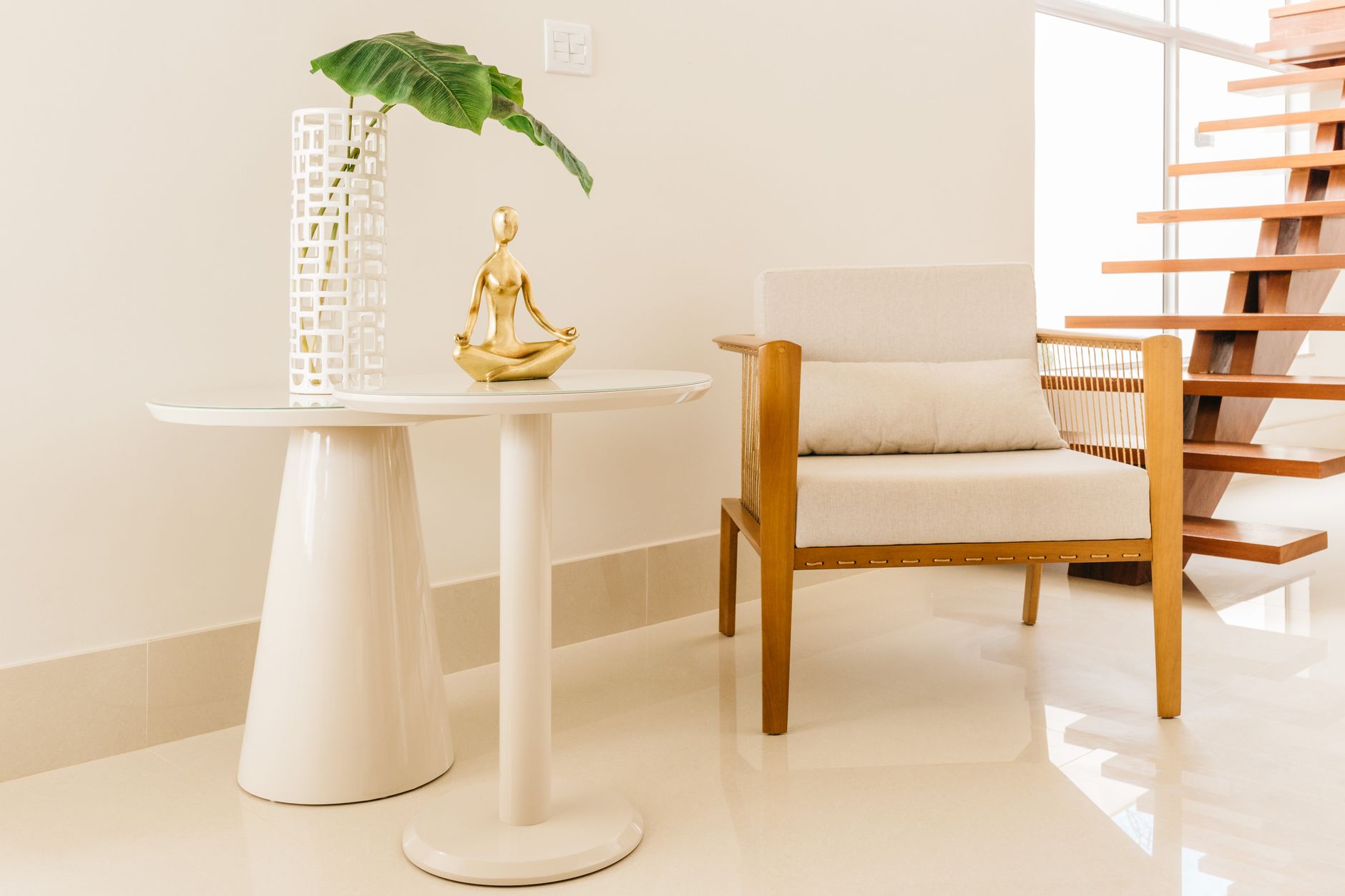
Illustrative interior, not H&M Home product photography. Photo by Jonathan Borba via Pexels.
Stock and terms vary by market and can change.











 Blankets and Throws
 Home Accessories
 Furniture
 Rugs
Rugs Cushions
 Kitchen
 Cutlery and Dinnerware
 Drinkware
 Table Mats and Coasters
 Dining Accessories
 Tablecloths and Napkins
 Decorative Items
 Vases and Planters
 Wall Decor
 Bathroom Accessories
 Bathroom Storage
 Bath and Shower Mats
 Towels